


🌿 Abstract
From the sun-drenched vineyards of Hawke’s Bay to the Art Deco charms of Napier and the cultured vibes of Wellington, our North Island journey in New Zealand was a heady blend of scenic beauty, fine wine, coastal elegance, and urban character. Here’s a glimpse of three unforgettable days soaking in the essence of Kiwi culture, cuisine, and charm.
**
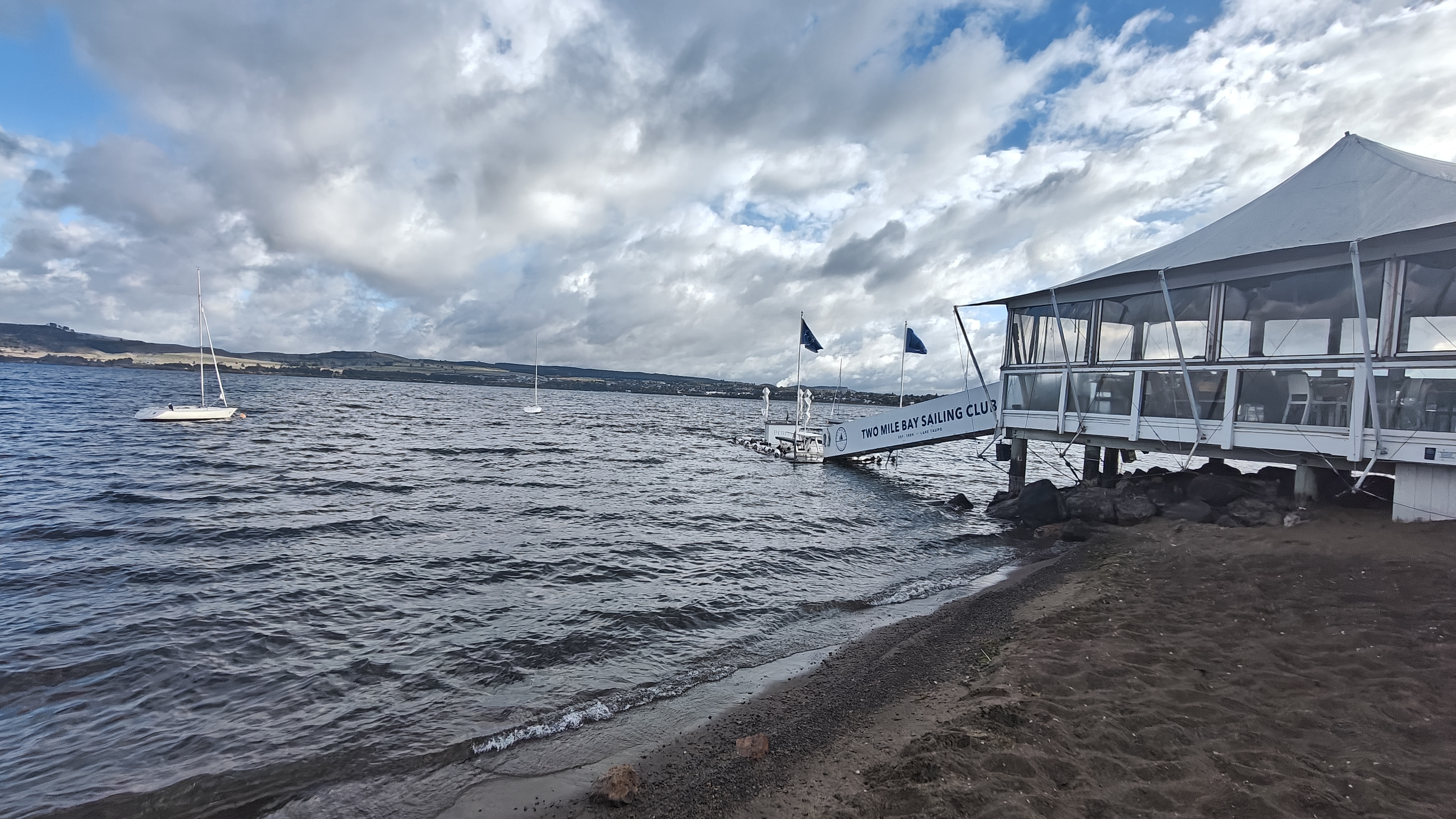
New Zealand often conjures images of snow-capped peaks, sheep-dotted meadows, and fjord-streaked landscapes. But on the North Island’s eastern edge lies a less-trumpeted triad of experiences that seduce the senses in a quieter, more intimate way: the sun-drenched vineyards of Hawke’s Bay, the Art Deco elegance of Napier, and the cosmopolitan charm of Wellington.
We began the day heading toward Hawke’s Bay, a region known for its Mediterranean climate, rich soils, and status as one of New Zealand’s finest wine-producing areas. The road wound through rolling hills and vineyard vistas that stretched out like pages from a postcard. It’s no wonder that Lonely Planet calls Hawke’s Bay “a food and wine lover’s paradise… where long sunny days and fertile plains create the perfect recipe for indulgence.”
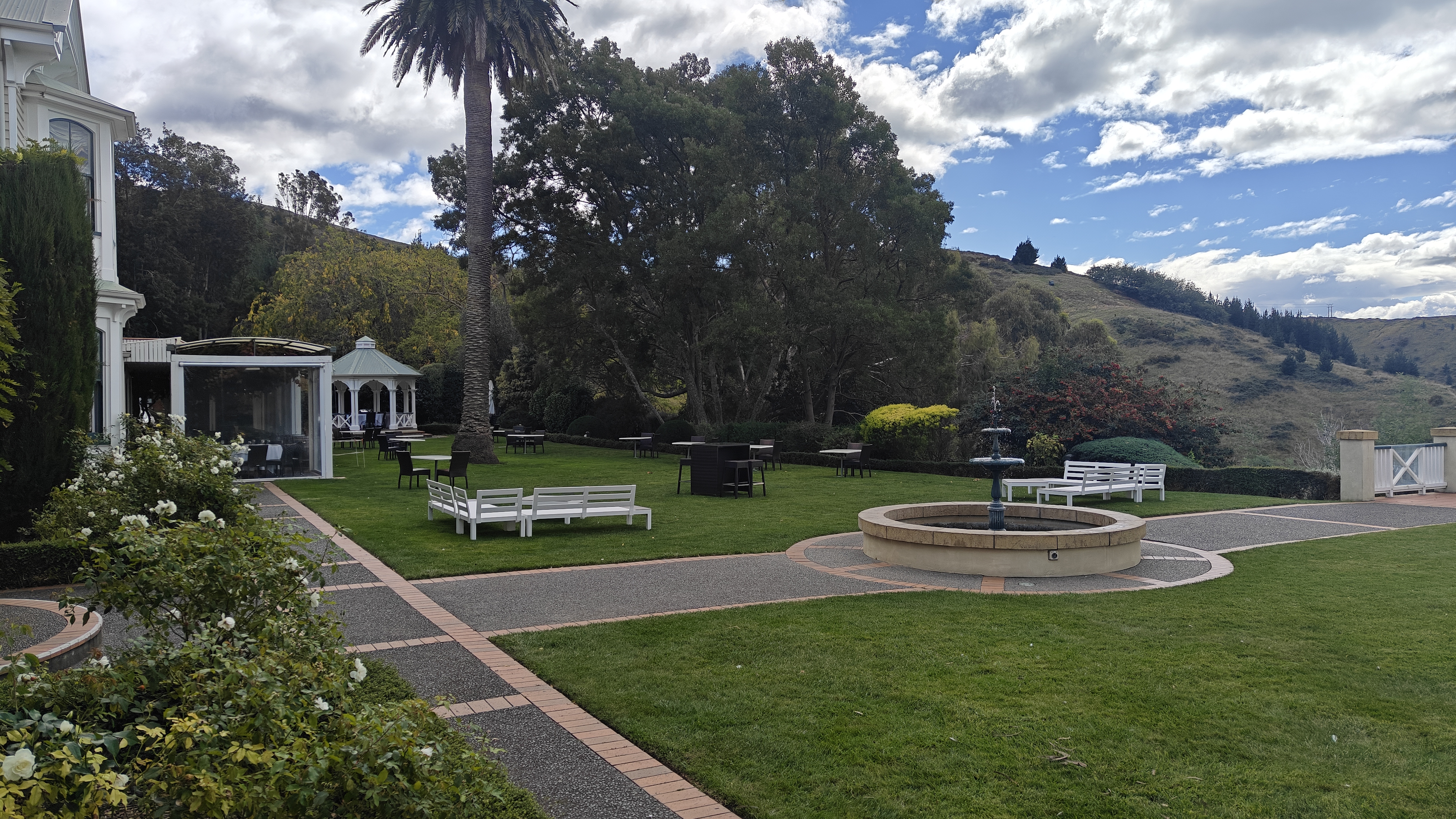
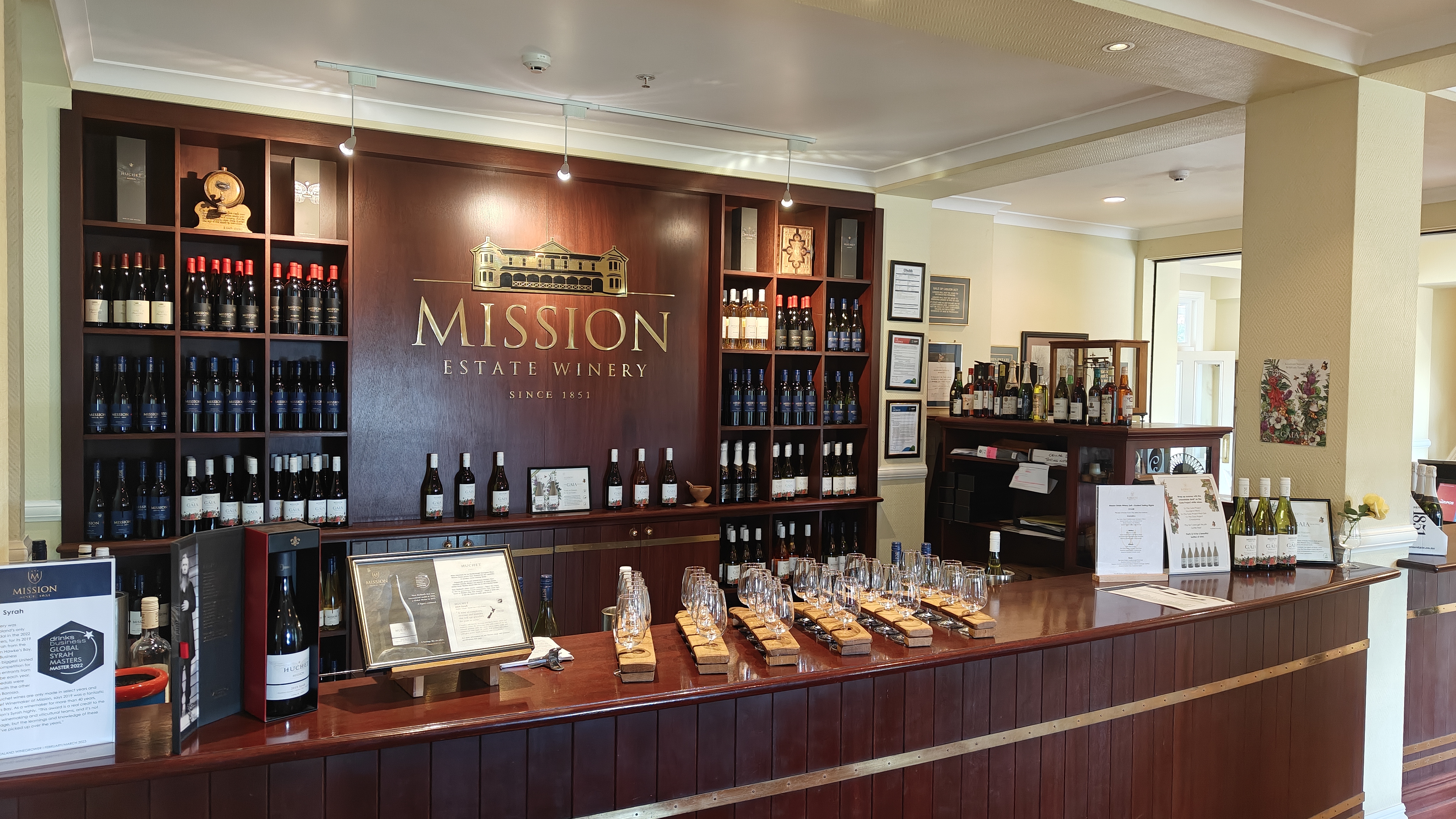
Our stop at Mission Estate Winery—New Zealand’s oldest established winery dating back to 1851—was the highlight of our visit. The elegant colonial-era structure welcomed us like an old friend, and we quickly found ourselves immersed in a world of subtle textures and fragrant bouquets. The Sauvignon Blanc stood out with its crisp minerality, but it was the velvety Syrah that stayed with us long after the last sip. A relaxed lunch followed in a shaded courtyard adorned with trellises, garden blooms, and birdsong. It felt more like a countryside dream than a scheduled stop.
The next chapter of our journey took us to Napier, a gem of a coastal town shaped by both tragedy and triumph. Rebuilt in the 1930s following a devastating earthquake, the town now proudly showcases one of the most concentrated collections of Art Deco architecture in the world. A stroll down its palm-lined promenade revealed a town wrapped in pastel tones and whimsical curves, as if time itself had taken a gentler turn here.

Condé Nast Traveler once described Napier as “a place where you’ll want to slow down and look up,” and that’s exactly what I did. As I meandered through the town, every façade seemed to carry a story—of resilience, rebirth, and remarkable aesthetic unity. Our hotel, perched with unobstructed views of the Pacific Ocean, felt like a poetic pause in this narrative. The sea, ever restless, offered a calming counterpoint to the symmetry of the streets.

The following morning, we descended further south to Wellington, the capital city nestled between rolling hills and a sparkling harbour. Where Napier wore nostalgia on its sleeve, Wellington was vibrantly alive—a city that fused culture and creativity with surprising sophistication. Its streets, both parallel and sloped, gave it a geometric charm, while cafés spilled out onto sidewalks filled with young creatives, office-goers, and the occasional street performer.
There’s something beautifully paradoxical about Wellington—it’s compact yet buzzing, orderly yet expressive. The Wellington Marina invited us to pause and breathe in the city’s rhythm. Boats bobbed gently in their berths, while locals wandered past us with wind-blown hair and takeaway coffees. No surprise then that the BBC once referred to Wellington as “the coolest little capital in the world.”

Dinner was a quiet affair, but we couldn’t resist passing by the city’s political heart—the Beehive, a part of the New Zealand Parliament complexes. The building’s modernist circular form is either intriguing or awkward, depending on your point of view. I found it oddly compelling, a symbol perhaps of the country’s bold architectural spirit, unafraid to provoke a reaction.
As we wound down our day in Wellington, I couldn’t help but reflect on the journey. Each place had offered something distinct: Hawke’s Bay’s pastoral elegance, Napier’s vintage soul, and Wellington’s urban charisma. Yet all were stitched together by a common Kiwi thread—warmth, nature, and quiet sophistication.
In a world where travel often tries to impress through spectacle, this journey stood out for its graceful subtlety. It didn’t shout; it sang.
In Musing……… Shakti Ghosal
**
📚 References:
- Lonely Planet. (2023). Hawke’s Bay Travel Guide. Retrieved from: https://www.lonelyplanet.com/new-zealand/hawkes-bay
- Condé Nast Traveler. (2022). The Most Beautiful Towns in New Zealand. Retrieved from: https://www.cntraveler.com/gallery/most-beautiful-towns-in-new-zealand
- BBC Travel. (2021). Why Wellington is the World’s Coolest Little Capital. Retrieved from: https://www.bbc.com/travel/article/20210315-wellington-the-worlds-coolest-little-capital

 A New Beginning