The Burning Ghats of Keoratola


Reaching the cremation ghat at Keoratola, Dipen and his accompanying group were confronted first hand with the immense tragedy and the pain arising from the pandemic tearing through the city and the province. Dead bodies were lying in every conceivable place; on bullock carts, on both sides of the narrow pathway going to the burning ghats and under makeshift canopies. In some cases, there were people around the dead bodies but in other cases, it seemed the bodies had been left there and abandoned. There were hordes of dirty, soot covered urchins accosting groups who had come to do the cremation. The oppressive smoke and the odour of burning pyres were all pervasive. Jostling for supremacy with the putrid smoke and smell was a cacophony of crying, moaning, shouting and Vedic chants.
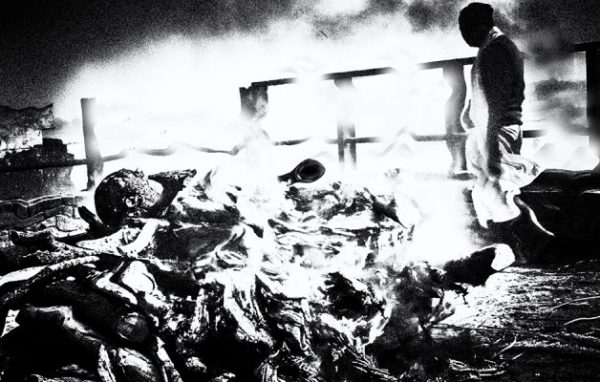
Keoratola cremation ground features in the story Pandemic, a part of my forthcoming book, ‘The Chronicler of the Hooghly and other stories ’. Should you wish to receive exclusive previews and the chance of winning a free copy of the book, do write to me at: author.esgee@gmail.com

A spear came whizzing out of the trees………


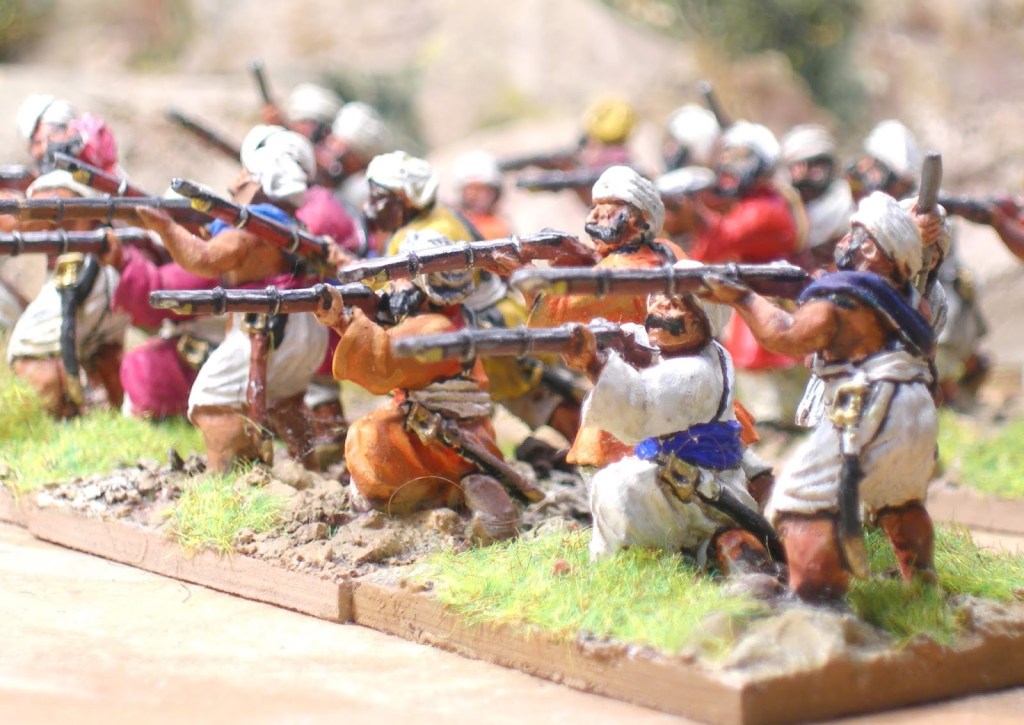
A spear came whizzing out of the trees and pierced the ground barely ten feet from the palanquin. The shaft vibrated giving out an ominous hum. Almost in unison the tree branches and leaves started to rustle all around. It sounded like an army getting ready to strike.

“Alert! Hold!”, ordered the captain to his men as the guards immediately formed a protective circle and cocked their guns. They peered into the trees to try and spot the hidden enemy, knowing that hidden eyes were watching their every move.

The palanquin curtain drew open and out stepped Rani Rashmoni………..

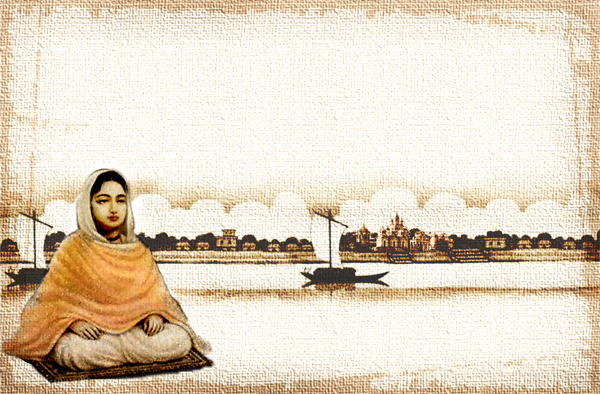
Rani Rashmoni (1793—1861) was the founder of the Dakshineswar Kali TempleKolkata. A Low caste Hindu by birth but exceptionally beautiful, she was married to Babu Rajachandra Das (Marh) of JanbazarKolkata, a member of a wealthy zamindar family, when she was eleven years old. After her husband’s death she took charge of the zamindari and finances.

Rani Rashmoni features in the story ‘The Chronicler of the Hooghly’, part of my forthcoming book of the same name. Should you wish to receive exclusive previews and free copy of the book, do write to me @ author.esgee@gmail.com.

Fort William Calcutta


Did you know that there were two Fort Williams?

 The original fort was built in the year 1696 by the British East India Company under the orders of Sir John Goldsborough which took a decade to complete. The permission was granted by Mughal Emperor AurangzebSir Charles Eyre started construction near the bank of the Hooghly River with the South-East Bastion and the adjacent walls. It was named after King William III in 1700. 

The original building had two stories and projecting wings. In 1756, the Nawab of BengalSiraj Ud Daulah, attacked the Fort and temporarily conquered the city. This led the British to build a new and a more defensive Fort in the Maidan. based on Robert Clive’s directive. The new Fort William was built with open spaces on all sides to allow 360 degree visibility of any approaching enemy.

Fort William features in the story ‘The Chronicler of the Hooghly’ part of my forthcoming book of the same name. Should you wish to receive exclusive previews and free copy of the book, do write to me @ author.esgee@gmail.com

Ashtami


In Ashtami Sujit, a Junior Clerk in the British administration in Calcutta, with his young wife Bina, is forced to migrate to distant and dusty Delhi as the capital of the British Raj shifts. Shanti, born of a forcep delivery process gone horribly wrong, comes into their lives, physically and mentally challenged.

“Shanti sat there in the engulfing darkness desperately holding his dying brother’s hand. A low pitched moan emanated from him; a sound of utter helplessness that ricocheted on the closed doors and windows of the nearby houses, and failing to open them, got lost into the night…”.

Ashtami is part of my forthcoming book, ‘The Chronicler of the Hooghly and other stories’. Should you wish to receive exclusive previews and the chance of winning a free copy of the book, do write to me @ author.esgee@gmail.com

https://www.facebook.com/author.shaktighosal

Viceroy’s House and the Secretariat Building on Raisina Hill, New Delhi

Pandemic


In the Pandemic, the events span a century between the pandemics of 1919 to 2020; between Dipen and Indranil who have a tenuous link over four generations and arising from an old and decrepit palace and its Shiva linga.

When confronted by tragedy, the vastly different societal conditioning and development of a hundred years, cannot detract from the eerily similar impact.

“The pandemic did go away. But it left in its wake corpses, both dead and living”.

The above is a blurb from Pandemic, one of the four stories of my forthcoming book, ” The Chronicler of the Hooghly”.

 Should you wish to receive exclusive previews and free copy of the book, do write to me @ author.esgee@gmail.com.

https://www.facebook.com/author.shaktighosal