


“In life, we meet two kinds of people—those who shine like the sun, radiating wisdom and energy, often challenging yet deeply inspiring; and those who, like planets, reflect borrowed light, offering comfort but little growth. Choice remains ours- whether we choose to orbit the suns, or chase reflections.”
Life is a cosmic dance, a vast expanse where we cross paths with many kinds of people. Some shine with their own light—bright, intense, and sometimes difficult to stand too close to. They challenge us, push us beyond our comfort zones, which might make us feel humiliated or insecure. However they do ignite sparks of transformation within us. These are the suns—radiant sources of wisdom, energy, and inspiration.
Then there are those who do not generate their own light but instead reflect the glow of others. Like planets orbiting a star, they offer comfort, familiarity, and predictability. Their borrowed light may bring temporary warmth, but it does not fuel real growth. They move in predefined paths, circling endlessly, never venturing beyond what is known.
The question before us is simple yet profound: whom do we choose to orbit? Do we dare to brave the brilliance of the suns, knowing that their intensity might burn, but also illuminate new possibilities? Or do we settle for the steady, reflected glow of planets, avoiding discomfort but also forsaking true transformation?
The Challenge of the Suns
Suns in our lives come in many forms—mentors who push us to excel, leaders who challenge conventional thinking, friends who demand authenticity, or experiences that shatter complacency. These forces can be unsettling, their intensity requiring us to adapt, to evolve, and sometimes to withstand discomfort.
Yet, it is from these sources that we learn the most. They force us to question our assumptions, face our fears, and tap into strengths we never knew we possessed. They inspire us to expand our horizons, to break free from the gravitational pull of mediocrity, and to blaze our own trails. As Kouzes and Posner (2017) suggest in The Leadership Challenge, transformative leaders create environments where individuals are encouraged to experiment, innovate, and grow beyond their limitations.
The Sun: Steve Jobs and the Apple Revolution
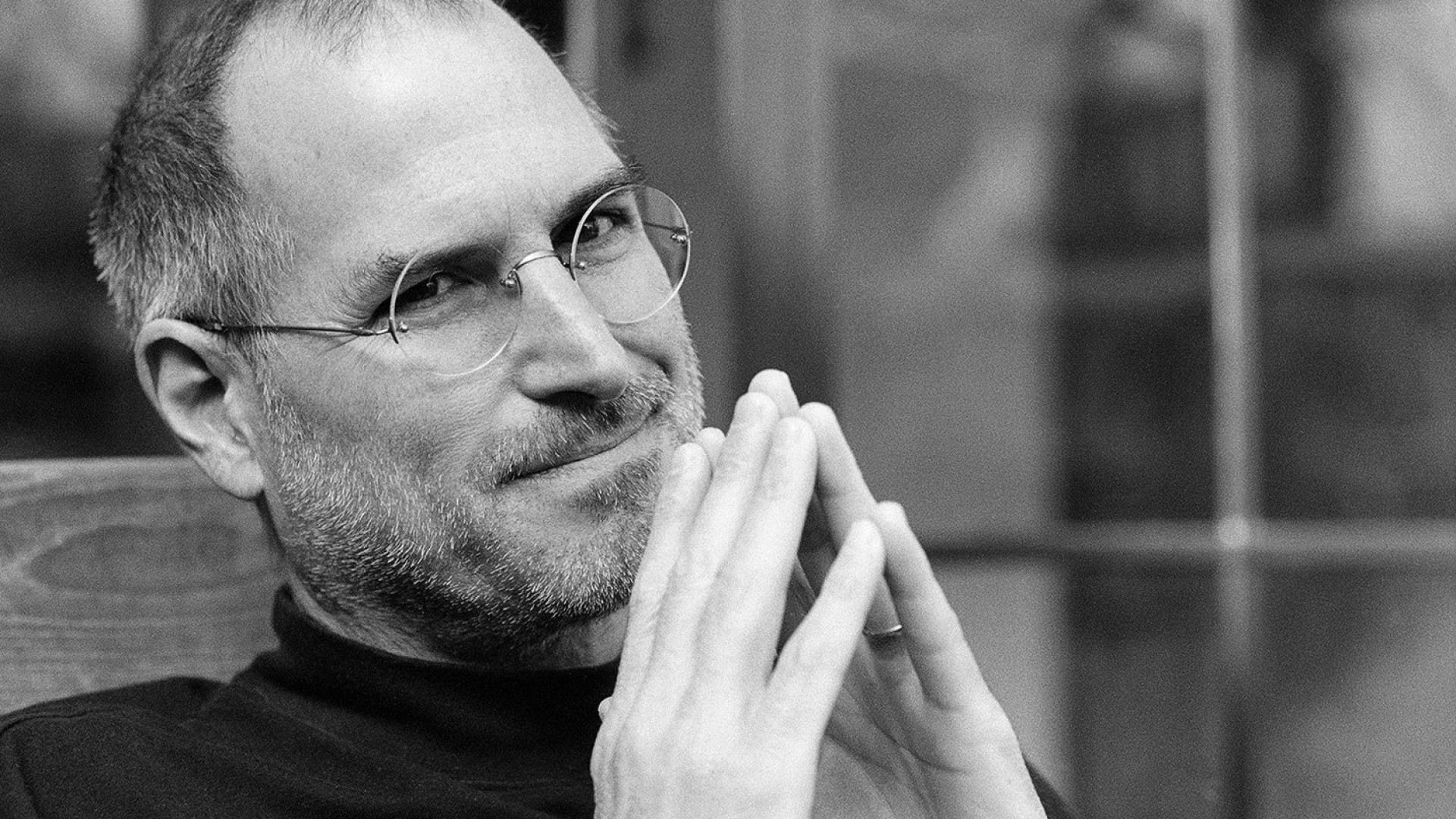
Steve Jobs was a quintessential “sun”—intense, visionary, and sometimes difficult to work with. He challenged the status quo, demanding excellence from those around him. Many who worked closely with Jobs describe the experience as transformative, albeit tough. His relentless pursuit of innovation forced others to think differently, step beyond their comfort zones, and achieve greatness. Those who chose to stay in his orbit were often pushed to their limits but emerged stronger, more creative, and capable of making an impact.
Lesson: Following the light of a “sun” can be difficult, but it leads to extraordinary growth.
The Comfort of the Planets
Planets, on the other hand, offer familiarity. They provide steady companionship, reassuring words, and a sense of belonging. Their presence is not without valuable— at times we do need the comfort of the known, the stability of routine, the ease of like-minded company. However, if we linger too long in their orbit, we stagnate. The pursuit of borrowed light may seem safe, but it rarely leads to personal evolution.
Consider the case of corporate career paths. Many professionals spend decades in the same organization, never venturing beyond predefined career trajectories. They are competent and reliable but do not challenge existing structures. Meanwhile, those who step outside their comfort zones—whether by switching industries, seeking disruptive mentors, or engaging in lifelong learning—often experience exponential growth. Carol Dweck (2006), in her seminal work Mindset: The New Psychology of Success, emphasizes the importance of a growth mindset—embracing challenges, learning from criticism, and persisting in the face of setbacks.
The Planet: The Comfort of Routine in Corporate Careers
Consider an employee who has spent two decades in the same corporate job, doing well but never pushing beyond the familiar. He is competent, reliable, and comfortable in his position. However, his growth is limited—he reflects the expectations of his environment rather than shaping it. While his job provides security, he misses out on opportunities to innovate, learn new skills, or challenge himself.
Lesson: Comfort is not always conducive to progress. Staying in the orbit of planets can lead to stagnation.
Making the Choice
There is no right or wrong answer—only awareness. There are times in life when we need the warmth of planets, moments of rest and reassurance. But growth happens when we dare to reach for the suns. It is in their radiance that we find our own light, forging our path not as mere reflections but as luminous beings in our own right.
The choice is ours. Do we settle for the comfortable glow of borrowed light, or do we embrace the challenge of the suns, knowing that their brilliance will shape us into something greater?
In the grand design of the universe, we are not bound to any orbit. We are free to choose our celestial path. The only question that remains is—where will we set our course?
The Choice: Malala Yousafzai’s Defiance of the Status Quo

Malala Yousafzai, a young Pakistani girl, had a choice—to accept the constraints imposed by her environment (where education for girls was restricted) or to challenge the norms. She chose to orbit the “sun” of enlightenment, education, and progress, even at great personal risk. Today, she is a global advocate for education, inspiring millions.
Lesson: Choosing to orbit the “suns” of wisdom and progress, even in the face of adversity, can lead to transformational impact.
Conclusion
The world is full of both suns and planets, but ultimately, we decide which forces shape our journey. The challenge is to recognize when we are merely reflecting light and when we are generating our own. Growth, transformation, and true impact come from stepping into the orbit of those who challenge us, inspire us, and push us beyond our perceived limits.
So, ask yourself—are you ready to seek the suns, even if their brilliance demands more of you? The answer will determine the trajectory of your life.
In Learning……. Shakti Ghosal
References
- Dweck, C. S. (2006). Mindset: The New Psychology of Success. Random House.
- Kouzes, J. M., & Posner, B. Z. (2017). The Leadership Challenge: How to Make Extraordinary Things Happen in Organizations. Wiley.
 A New Beginning