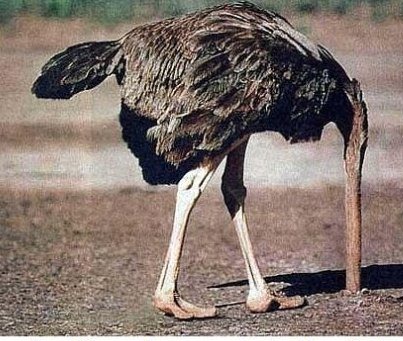
All the things we do not want…..


Have you ever wondered about all the things you do not want, all the things you avoid? These may be at your workplace. Or they may be in your personal life or relationships. Do you realise that all the things you do not want can actually support you to move forward in life?

In the second year of my post graduation, we had to choose elective courses to achieve a minimum number of credits. I remained in my comfort zone by choosing electives which I had the ability to do with minimum effort. I avoided taking on courses in the Computer Science domain (then in its infancy and consequently a ‘black box’ to me) which I figured would require a lot of learning and effort. Was it a mere avoidance mindset or a deeper fear of failure? Most of my batchmates who ‘took the jump’ and majored in Computer Science subsequently did very well in their careers. Fear of failure can help us succeed.

Fear of failure can help us succeed

An aspect we do not want is frustration. Frustration is really our reaction to stuff we do not like or cannot control. The ugly underbelly of frustration is that we tend to vent it on folks who may have nothing to do with it. These folks may be our spouse, family members or colleagues at work place. Frustration shows up as anger, impatience or both. I can recall a particularly difficult meeting with a client about a service failure in which they threatened to cancel our contract. It was a situation outside our control but my reaction had been to call the service team and vent my frustration on them. What I had done was to further spread the cycle of exhausting negativity without finding a solution. The section head though was a guy with a cool temperament; leaving the meeting he did what was needed to be done to retrieve the situation. Frustration can be a good thing if we channel it to move towards solution finding.
Frustration can be a good thing……

We do not want to do ‘heavy lifting’, we succumb to the temptation of doing theoretical stuff. In a previous project assignment, I interacted with two kinds of people.  The first set were those who were smart, articulate, detested leaving office and had theoretical solutions for all operational issues. The second set were those who were low profile, operated in the field and were hands-on with the project. I found it comforting to hang out with the first set and opinionate about what was needed to be done or not done; true to the perception I held I avoided going out into the field. However, I soon found that  grit, resilience and character developed only when I got down to ‘digging ditches’ in the field to circumvent failures, prevent time over-runs and ensure project completion. Resilience and Character wait on the other side of our disappointment and failure ditch.

Resilience & Character wait on the other side of our failure & disappointment ditch

In the hurry-scurry of our work life, we tend to develop revolving -door relationships. Relationships that we create to achieve quick business objectives and which tend to get jettisoned soon after. Such relationships may seem energizing, even meaningful in the moment, but really build a shallow work life. How many of these questions can you answer in the affirmative?

  • Do you take genuine care of the people who pull alongside you?
  • Do you invest time with your team and other stakeholders beyond work related stuff?
  • Do you serve those who serve you?

The deeper we nurture relationships, the more valuable they become.
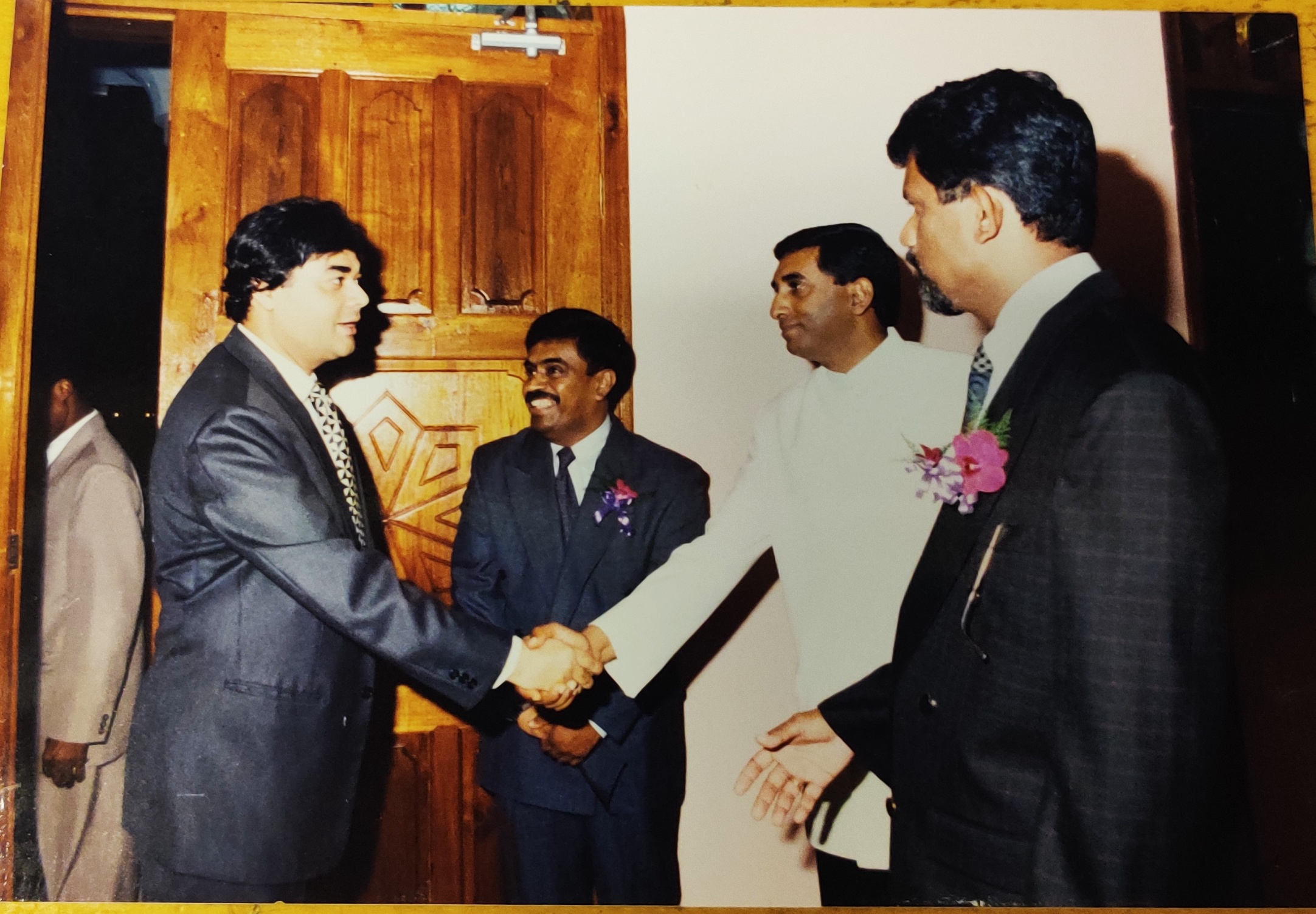
The deeper we nurture relationships, the more valuable they become.

In Learning………… Shakti Ghosal

Home

What if……..


If thought is the fabric from which reality is made, then faith and intention become the mechanisms by which we focus and project thought.

                                                                                                              – Anonymous

What if we were spirits, balls of energy?  What if prior to being born, we could choose the Men and Women who would conceive us and help us with our values and beliefs? What if we could meet up with all the other spirits who would also be born to play enabling roles in our future life? What if we could choose our destiny?

What if…..

Grounded back to our reality, we see “What if….” as the yearnings of a meandering soul. Or a delusionary dream that needs to be closeted in the attics of our minds. But what if we did carry a master blueprint containing all our yearnings somewhere in our DNAs? Or what if the dream did have moorings in our wakefulness?

I see two pathways. One arising out of faith and the other from our intention. Which path to follow becomes our choice.

Our faith leads us to the realms of spirituality .We conjecture that situations do not happen randomly nor people come into our lives by chance. As we move through this maze of situations and people, we can choose to see our life journey as a blueprint ordained by a higher purpose. With this choice comes the realisation that the reason we are here is to heal our beliefs, learn from them and not to master and forcibly change them. Such a perspective does allow us to make peace with areas of our life which we find confusing and out of control.

But were we to move on the pathway of intention, we can choose to see our life as something we create and are responsible for. This becomes the essence. As we step out with positive intentions to make a choice, we start understanding the underlying reasons why we fail to do so on many occasions.

I get reminded of that wonderful Arbinger Institute publication, “Leadership and Self Deception: Getting out of the box”. While the book focuses on leadership in the organisational context, its argument applies in our life situation too. The book states that people respond to “how we feel about them” and not because “how we treat them.” Let us halt here and absorb the import of what is being said. “Feeling inside” has far greater impact than “action outside.” The genuineness, or otherwise, of what our true feelings or thoughts are, seeps out irrespective how or what we show on the outside.

We “get into the box” as we allow our lives to be dominated by our insecurities and start projecting our failures on to others to try and protect ourselves from our own reality. This then becomes our strategy of self deception and “keeps us trapped inside the box”, away from the truth of our attitude towards others and its crippling impact on our relationships.

As an example, if you are in an abusive relationship, this could be due to your belief that you are unloved. If you believe you are unlovable, you will attract those ‘into the box” who can help you to demonstrate this belief because you have it, not because it is the truth. Abuse is one way that this belief can be played out.

But intention does allow us to choose to become the observer of our beliefs and changing them once they are no longer working for us. And as we change ourselves inside, what we attract on the outside also changes. And this becomes our pathway to move “out of the box.”

So, do we move on the faith path as we reconcile and make peace with our troubling beliefs and other aspects of life? Or do we follow our intentions as we face failure and turbulence in our efforts to implant new beliefs and a life change?

What if….. we could make this choice?

In Learning………                                                                                                  Shakti Ghosal

Acknowledgement:

* Leadership and Self-Deception: Getting Out of the Box – An Arbinger Institute publication, 2008.