I had the privilege of being interviewed about my forthcoming book, ‘The Chronicler of the Hooghly and other stories’ by another author recently.
My interviewer was Sharon Swathi Gaddala, the author of, ‘I chose at 18 – True Chronicles on my choices, career and love’. Apart from being an author, Sharon is also a Life Coach with the vision-
‘Become a better person than yesterday, simply because you can. You will leave this world and your loved ones, some day, until that day, be happy, live and keep getting better at it !! This is a one time shot, gotta nail it!’
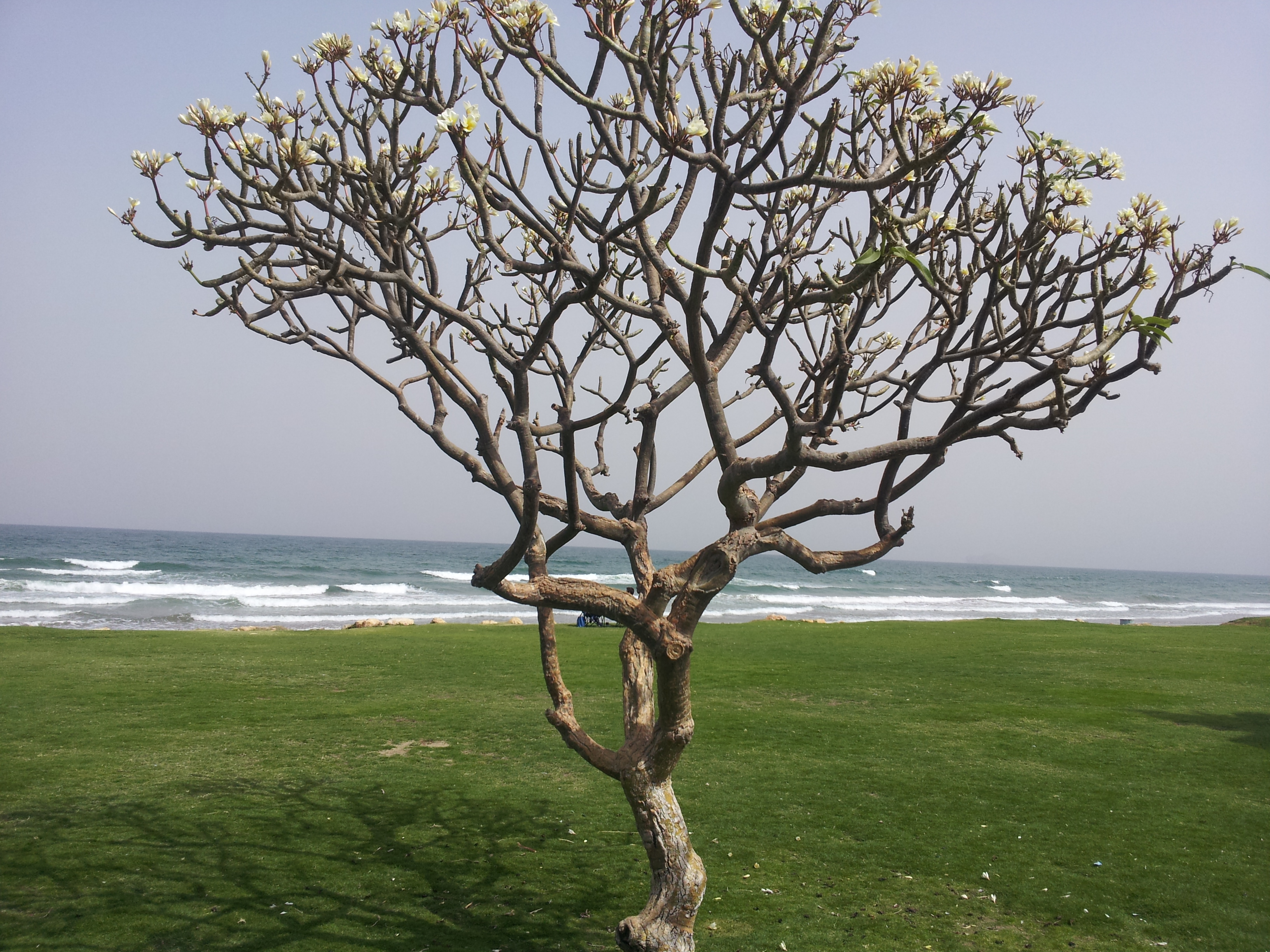
Anjan and Jaya were sitting on one of the lovely grassy visitor areas on the Muscat beachside. A gentle soothing breeze was blowing. Two boys were jumping with joy as the Chinese lantern released by them floated higher. Few families were huddled around portable barbeque stands and the occasional aroma of the grilled meat was overpowering. Ayan was running around with a frisbee. All three of them in fact had just played an invigorating game of frisbee. Now out of breath Anjan and Jaya had begged Ayan for half an hour’s relief to which he had reluctantly agreed.
“Would heaven be something like this Anjan?” mused Jaya. “If only we could be sitting here for ever and ever”.
“Hmm, yes enjoy it while it lasts”, replied Anjan gazing up at the star filled sky. He lowered his eyes towards the darkness of the sea in front. “Look at those bluish phosphorescent patches on the waves breaking on the shore. Did you know that these patches are created by millions of tiny marine creatures?”
Anjan had almost failed to notice a small huddled figure slowly come out of the foaming waves. The figure seemed to be beckoning to him.
Snippet : The public beach close to Al Khuwair and Qurum is beautifully sandy, clean and a beach goer’s paradise. There is a raised continuous walkway parallel to the sea face. One may sit on wooden bemches or plonk down on the grassy atolls wirh a coffee and snacks and watch a beautiful sunset. It remains a preferred place for Barbeque get togethers with family and friends.
The bluish Bioluminescence in the Arabian sea waters is a fairly recent phenomenon and some attribute it to climate change . This is attributed to a plankton like species nicknamed ‘sea sparkle’.
Muscat beach features in the story, ‘Fault Lines’, part of my forthcoming book ‘The Chronicler of the Hooghly and other stories’ which is scheduled to release in February ‘21. For updates, do visit
Like a beast awakening, the British Howitzers and cannons roared to life. The searing flame moved from right to left as the guns fired in sequence. Ram Prasad saw the charging infantry getting mowed down as he saw the General himself getting hit and toppling from the horse.
“Charge!” Ram Prasad heard his own voice calling. He saw his men as they rose from behind the embankment and moved forward. The unforgiving howl of the British guns erupted again and he saw his brave men falling all around him.
But why was a large part of the Bengal army not moving? He felt a searing pain in the left shoulder and then in the abdomen. Blood erupted from his body, he had been hit. But still, the main flank of the army remained stationary. Indeed, they seemed to be mute spectators of the massacre.
The Battle of Plassey was a decisive victory of the British East India Company over Nawab Siraj Ud Daulah of Bengal on 23 June 1757.The battle took place at Palashi on the banks of the Hooghly River, about 150 kilometres north of Calcutta and south of Murshidabad, then capital of Bengal.The outcome of the battle was to change the history and shape of things to come for ever not only for India, but as some say, for the world, in terms of ascendancy of the British Empire.
The battle of Plassey features in the story ‘The Chronicler of the Hooghly’, part of my forthcoming book of the same name.
It has been ten years since Jagjit Singh, arguably the most successful ghazal singer and composer of our times, passed away.
The other day a two decades old memory of my brief association with Ghazal King Jagjit Singh got jogged.
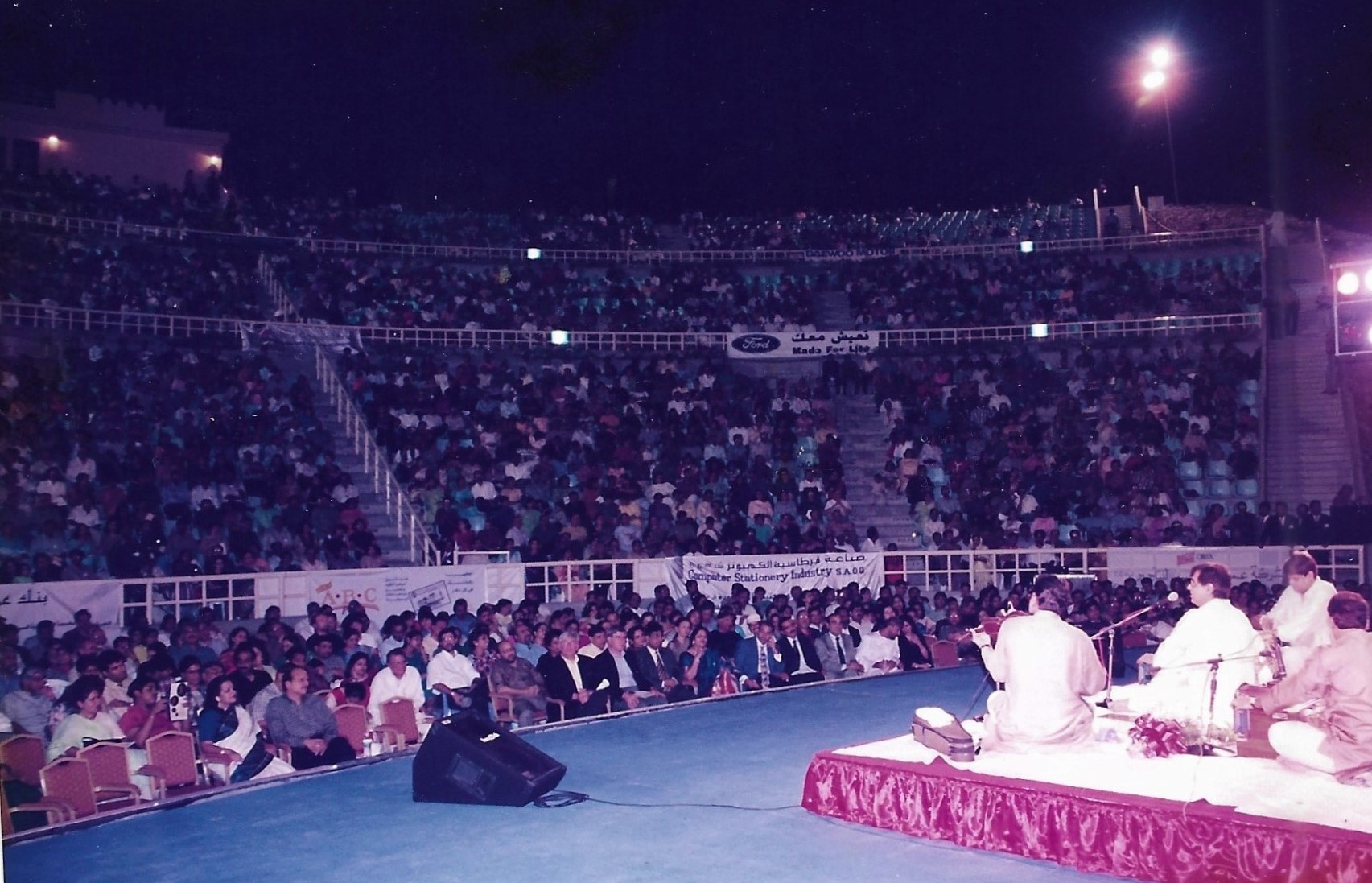
This came from a Facebook post by Jaya Kumar in which she eulogised Jagjit Singh and mentioned her being there for the Jagjit Singh Live Show at the Qurum Amphitheater Muscat in April 1999. We were still in the last century, how time flies!
It had been a privilege for me to be associated with the organising and compering of that memorable night. As maestro Jagjit Singh gave voice to some of his mellifluous offerings, the over fifty thousand strong audiences comprising of the ‘Who’s Who’ of Muscat listened mesmerised.
In our lives, we at times get confronted with intense and traumatic events which force us to question who we are, what really matters to us and what we believe in. In some ways these events alter our sense of reality.
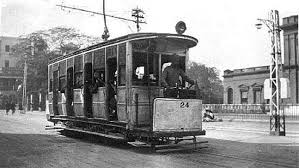
“Baba, why is that train bogie standing in the middle of the road?” asked Niren, pointing to a single carriage, surrounded by tongas, carts and people walking on the road.
“Niren, that is a tram, a modern day invention. It does not need any engine to pull it. Can you see that pole on the top? It draws electric current from that cable on top to move”, replied Sujit.
His eyes twinkling, Sujit asked, “Would you like to ride the tram?”
“Yes! Yes!” the boys shouted as they started running towards the tram.
“Niren, Suren! Stop, do not run ahead like that”, so saying, Bina turned quickly and rushed towards her sons, her maternal protective instinct taking over. That was when the first wave of nausea and dizziness hit her and she lost her balance.
Snippet: The first horse drawn tram made its appearance in Calcutta in 1873, operating between Sealdah and Armenian Ghat seat. Electrified tramways started operating between Khidderpore, Esplanade and Kalighat in 1902. Close on the heels of Calcutta came the introduction of tramways in Bombay, Nashik and Chennai.
Trams in Delhi began operation in 1908 and with the shifting of the Capital to this city, the network continued to expand.Tramways ferried people between Chandni Chowk to Tis Hazari in the north and Pahar Ganj and Ajmeri gate in the south. However the system had to be shut down in 1963 due to urban congestion.
Interestingly, Delhi’s dalliance with the trams might soon be revived as Delhi Government plans to introduce ‘trackless trams’ in the heritage Chandni Chowk area.
Delhi Trams feature in the story, ‘Ashtami’, part of my forthcoming book ‘The Chronicler of the Hooghly and other stories’ which is scheduled to release in February ‘21. For updates, do visit
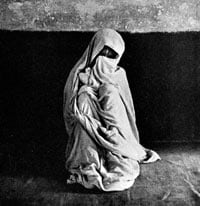
“Her unadorned face with a parting free of sindoor and a simply worn white sari indicated her to be a young widow. Something in her appearance impacted Dipen.
Dipen could recall his aunt becoming a widow when he was a mere seven or eight, she had her hair cut short and seemed perpetually in a complaining and cantankerous mood. She was required to observe strict fast on certain days and Dipen still remembered how she would secretly beg him for moa or naru, homemade Bengali sweets. Considered inauspicious, Dipen’s aunt was barred from participating in joyous occasions; to everyone around she personified inconvenience and this showed up in the insensitive behaviour of family members towards her. Dipen was too young to understand the ramifications but as he grew older, he could sense the unforgiving and interminable despair that his aunt’s life had represented.”
Snippet: In the early twentieth century, the plight of widows in Bengal continued to be terrible, arising from customs and social ostracization.Even though remarriage of widows had been made legally permissible from mid-nineteenth century, largely due to the efforts of the Brahmin social reformer Ishwar Chandra Vidyasagar, society continued to frown on all such attempts.
Once the husband died , the torture of his wife began. It was as if Lord Yama of the netherworld was taking away her soul. Even when she had to endure the grief of her husband’s death, society somehow held her ‘responsible’ for the death and even her closest relatives could not come to console her. A woman whose husband had died was thus like a living corpse. She had no rights in the home and had to remain as a slave to other family members.
The above extract is from the story Pandemic, a part of my forthcoming book, ‘The Chronicler of the Hooghly and other stories’.
Should you wish to receive exclusive previews and the chance of winning a free copy of the book, do participate in the monthly contests.
‘One Saturday evening, Anjan suggested, “How about going to the pub and having some chilled beer? The treat is on me”.
But that evening Rohit was not enthusiastic, “I would have loved to Anjan, but it is a colleague’s birthday and I need to attend the party”.
Anjan with a few other friends decided to go for Steven Spielberg’s Jurassic Park which was being screened at Rex Theatre on Brigade Road. Being a night show, getting tickets was not a problem and the group soon sank back into the plush seats in air-conditioned comfort, each with a tub of popcorn. The lights were still on. As Anjan looked around, he got a shock. A few rows ahead, he saw Rohit sitting with a girl, their heads leaning towards each other. Anjan could hardly believe his eyes. Rohit, his closest friend, his buddy, had lied to him!’
Snippet: The name “Bangalore” was given by the British as an anglicized version of the original Kannada name Bengaluru. As the legend goes, Veera Ballala II, the most famous king of the Hoysala dynasty (twelfth century), while on a hunting expedition, lost his way in the forest. Tired and hungry, he came across a poor old woman who served him boiled beans. The grateful king named the place “bend-kaal-uru” (literally, “town of boiled beans”), which eventually evolved into Bengaluru.
Bangalore is widely regarded as the “Silicon Valley of India”. A cosmopolitan city, it is the second fastest-growing major metropolis in India. The iconic Rex Theatre on Brigade Road downed its shutters for good on first January 2019 after entertaining Bangalore folks for seventy eight years.
The city of Bangalore and Rex Theatre feature in the story Fault Lines, a part of my forthcoming book, ‘The Chronicler of the Hooghly and other stories ’. www.shaktighosal.com













 A New Beginning