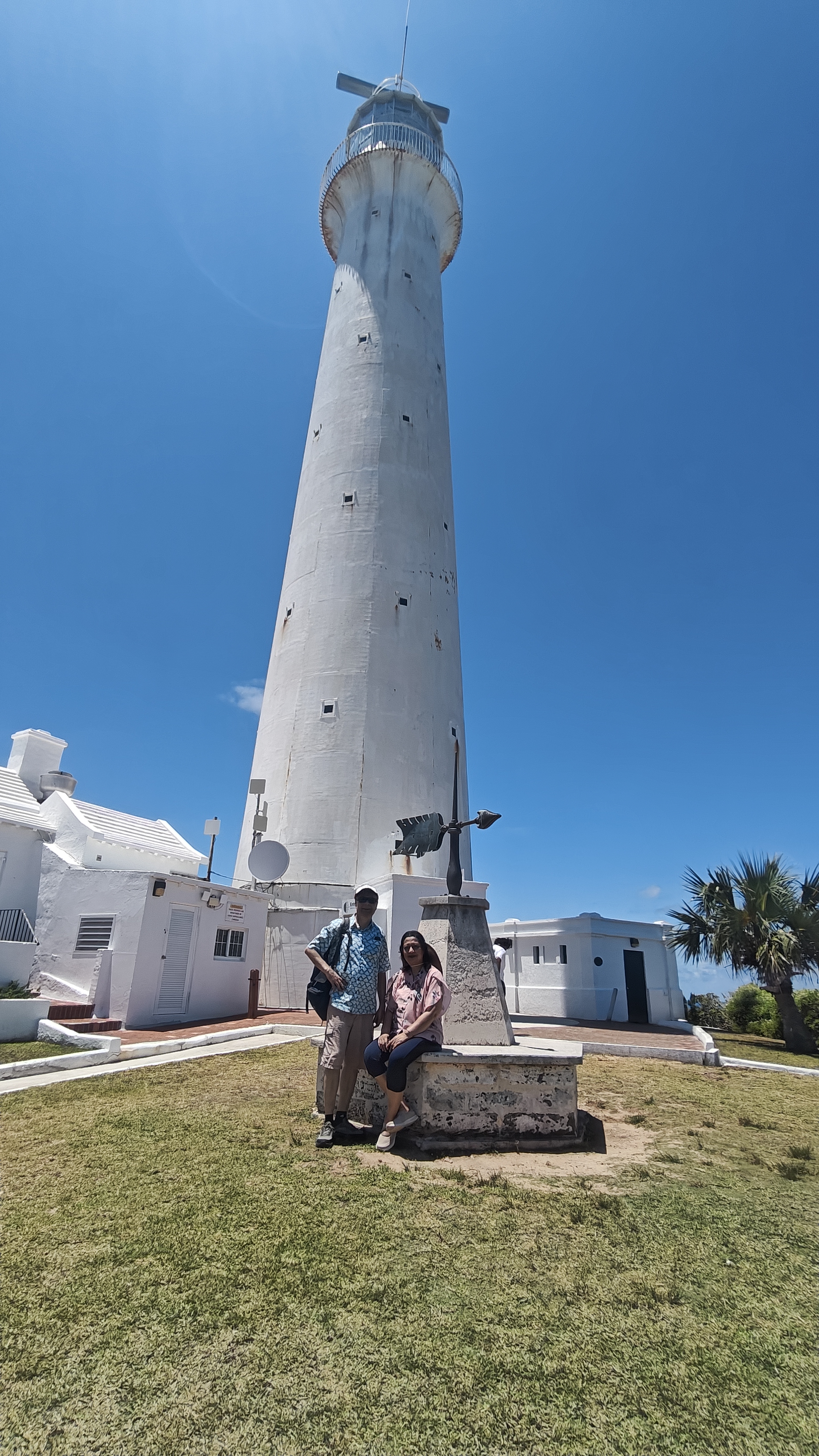

Where Fire Meets Ferns: A Journey Through Rotorua, Murupara, and Taupo in New Zealand


oplus_8650752

Abstract :Volcanoes, Redwoods, Maori traditions, and turquoise waterfalls—our journey through Rotorua, Murupara, and Taupo was like walking through nature’s raw and sacred diary. From the haunting silence of a buried village to the fiery hiss of boiling mud pools, and the warmth of a traditional Maori Hangi—New Zealand never stops surprising. 🌋🌲🌊

We skirted the edge of Lake Rotorua in hopeful anticipation, eyes squinting past the mist, searching for the silhouette of the legendary Mount Tarawera. But nature had other plans. Clouds draped the landscape like a reluctant curtain, denying us a view of the volcano that, in 1886, tore apart an entire region in a violent, unforgettable eruption.

Lake Rotorua

As we moved closer to the remnants of this catastrophe, we reached the Buried Village of Te Wairoa. It was haunting, almost sacred. Buildings lie preserved in ash, stories frozen in time, and silence whispered louder than words. Our guide painted a vivid picture of the night the earth roared—of ash raining down, of craters splitting open, and lives changed forever. According to the Buried Village site, it is “New Zealand’s most visited archaeological site, where stories of resilience and survival rise from the earth.” (Reference 1) And indeed, walking among the ruins, one feels that spirit deeply.

Buried village of Te Wairoa

From volcanic scars, we sought the solace of trees—and what trees they were! The Whakarewarewa Forest, just outside Rotorua, offered a surreal contrast. We wandered under towering Redwoods—some over 100 years old—and marveled at the magnificence of Douglas Firs and the ethereal grace of silver ferns, New Zealand’s national icon. Walking in their shadow, one feels both infinitely small and impossibly privileged. As described by Whakarewarewa Village, this forest is home to “majestic trees from California alongside native species in a uniquely Kiwi blend,” and the harmony between old world and new world flora is breathtaking.

Those Redwoods of Whakarewarewa

Yet Rotorua wasn’t done with its drama. The ground here breathes fire. Boiling mud pools gurgled around us, sending plumes of steam into the crisp morning air. Lakes hissed and steamed as though conversing with ancient gods. The smell of sulphur lingered, sharp and earthy. And yes, the unsettling thought did strike—what if another eruption lay dormant beneath our very feet?

Boiling mudpools of Rotorua

From geothermal energy to spiritual energy, we travelled onward to Lake Aniwhenua in Murupara. Here, the journey took a cultural turn. We were welcomed by the Māori people in a traditional ceremony that blended chants, fierce expressions, and deep respect. Though the language was unfamiliar, the sincerity needed no translation.

Maori temple

The highlight was witnessing the preparation of a traditional Hāngi meal—an earth-oven cooking method that has nourished Māori communities for centuries. Watching the fire-heated stones laid into a pit, food wrapped and buried under earth, felt remarkably similar to the tandoor cooking I’ve seen in North India. Different continents, similar soul food.

Hangi preparation

Later that afternoon at the Māori lodge, as the Hāngi was unveiled and its earthy aroma filled the air, it felt like we were not just eating a meal—we were partaking in a ceremony of memory, tradition, and togetherness. As the village itself puts it, “Whakarewarewa is more than just a village—it is a living legacy of Māori culture and community,” (Reference 2) and every moment we spent there reinforced that truth.

Traditional Maori meal

The final leg of this segment took us to Taupo, but not before a breathtaking interlude at the Huka Falls. The water there doesn’t just fall—it thunders. A hypnotic blue torrent squeezes through a narrow gorge before erupting into a frothy cascade. According to LoveTaupo.com, this “220,000 litres per second of crystal clear water” ( Reference 3)  surging through the Waikato River is one of New Zealand’s most visited natural attractions—and for good reason. It’s power and poetry in motion.

The blue torrents of Huka

As we stood watching the falls, droplets misting our faces, I realised New Zealand isn’t just a destination—it’s an emotion. It stirs awe and respect in equal measure. One moment it shows you the fury of nature, and the next, it cradles you in cultural warmth.

And so, this chapter of our journey closed—not with an exclamation, but a deep, quiet breath of gratitude.


References:

  1. The Buried Village of Te Wairoa – Rotorua’s Most Visited Archaeological Site
    https://buriedvillage.co.nz/
  2. Whakarewarewa – The Living Māori Village
    https://whakarewarewa.com/
  3. Huka Falls, Taupo – New Zealand’s Most Visited Natural Attraction
    https://www.lovetaupo.com/en/see-do/all/huka-falls/

In musing………….. Shakti Ghosal

Enchanted Darkness: Our Visit to the Glowworm Caves of Waitomo, New Zealand


Away in the lush hills of New Zealand’s North Island, the Waitomo Glowworm Caves offer a breathtaking, almost surreal experience. In this post, we share our unforgettable journey through the glowing underworld—highlighting the ethereal beauty, fascinating geology, and a boat ride that felt like drifting through the galaxy itself.

**

It’s not every day that you find yourself in total darkness, floating quietly through a cathedral of stars—underground. But that’s exactly what we experienced at the Waitomo Glowworm Caves, one of New Zealand’s most magical natural wonders.

Waitomo, a small town in the Waikato region, is famous for its network of limestone caves and the tiny bioluminescent creatures that live in them: Arachnocampa luminosa, the native New Zealand glowworm. We visited the brightest of these caves, one that has even played host to the legendary Sir David Attenborough during the filming of one of his BBC documentaries. That fact alone raised our expectations—and the cave delivered in spectacular fashion.

oplus_264192

As we entered the cave, we found ourselves in a world carved over millions of years. Stalactites and stalagmites stood like silent sentinels in a cool, damp chamber. Another part of the system featured truly astonishing limestone formations, some resembling frozen waterfalls, others like delicate curtains suspended in time.

But nothing prepared us for the glowworm grotto.

We stepped quietly onto a small boat, guided by a rope in pitch darkness. There were no torches, no artificial lights—just the sound of gentle water and the soft echo of a distant underground waterfall. Then, as our eyes adjusted, the ceiling of the cave revealed itself: a galaxy of living lights. Thousands upon thousands of glowworms dotted the darkness, shining blue-green like a perfectly clear night sky.

oplus_262144

We sat in awe, heads tilted back, silently gliding through this dreamlike world. The experience was not only visually stunning but oddly humbling. It reminded us of how much wonder still hides inside nature, waiting to be discovered by us.

The boat turned just before the waterfall; the roar of the falling water had become fully audible; then slowly made its way back. It was one of those rare moments where no one spoke, everyone too spellbound to interrupt the magic.

oplus_262144

The Waitomo caves are a powerful reminder of the slow, silent work of nature and the strange beauty of life in the dark. If you’re ever in New Zealand, this is a journey not to be missed.

For those interested in learning more, the official Waitomo Glowworm Caves website offers great insights, and showcases just how enchanting these creatures can be.

Final Tip: Book early and wear warm clothes—it gets chilly underground! Based on out own experience we would recommend you opt for a guided tour to hear more about the fascinating biology and geology of the region.

In Learning……                                                                  Shakti Ghosal

#waitomo, #visitnewzealand, #glowworm, #glowwormcaves, # DavidAttenborough

How AI is Transforming the HVAC Industry: An Impact study on a matured engineering domain


Centrifugal machines running on principles of Thermodynamics

I spent a part of my career in the HVAC industry many decades ago, at a time when it was firmly grounded in the disciplines of mechanical engineering and thermodynamics—both mature and deeply technical fields. Back then, optimizing system performance meant manually tweaking airflow, calculating heat loads, and understanding refrigerant behavior. I had worked with Voltas, a market leader in central HVAC systems and Fedders Lloyd, which manufactured and marketed low end Airconditioning units.

Controls of HVAC system
Of nuts, bolts, pipes and ducts

I find it fascinating to observe how today, the game has changed. This has been significantly due to Artificial Intelligence (AI)—a disruptive force that’s injecting intelligence, adaptability, and automation into an industry that once thrived on nuts, bolts, and thermal dynamics.

**

Smarter Diagnostics and Predictive Maintenance

AI-powered tools now enable HVAC systems to identify faults before they cause breakdowns. Instead of relying on trial and error, it is now possible for technicians to use sensor data and predictive analytics to find the root cause quickly—whether it’s a refrigerant leak or an airflow issue.

“AI algorithms enable predictive maintenance by monitoring operational data such as temperature, pressure, and energy consumption to detect potential issues before they escalate.” — [ATA College, 2025]

These AI systems don’t just detect problems—they help prevent them, significantly reducing downtime and maintenance costs.

**

🌱 Energy Efficiency: Better for Business and the Planet

Energy consumption has always been one of the biggest pain points in HVAC operations. AI  can address this by learning occupancy patterns, weather forecasts, and energy pricing to optimize performance in real time.

“AI can optimize HVAC operations by responding dynamically to external conditions and human behavior, ensuring comfort without excess energy use.” — [Cooling India, 2025]

The result? Lower energy bills, improved comfort, and a smaller carbon footprint—benefiting both the bottom line and the environment.

**

🌡️ Personalization and Smarter Design

Modern HVAC systems don’t just heat or cool—they adapt. AI makes it possible to personalize climate control for zones or individuals based on learned preferences.

Beyond user experience, AI is improving the design phase too. Engineers can now simulate various configurations before installation, ensuring better efficiency and fewer on-site errors.

“AI is being used to create virtual simulations of HVAC systems during the planning phase, helping engineers choose the most efficient configuration.” — [Digital Defynd, 2025]

**

🏢 Automation and Operational Efficiency

AI doesn’t merely stop at system optimization. It can streamline administration tasks like scheduling, dispatch, and customer service through chatbots and intelligent platforms.

In smart buildings, IoT-connected HVAC systems can adjust automatically to changing conditions, cutting operational costs and improving system responsiveness.

“Intelligent building systems that include AI-driven HVAC control are emerging as a top growth area for the industry.” — [Frost & Sullivan, 2025]

**

⚠️ But It’s not all smooth sailing…

Ai has also brought with it certain downsides and risks.

  1. Cybersecurity is a growing concern. As HVAC systems get more connected, they become more vulnerable to attacks. To combat, companies would require to invest in data security and system integrity.
  2. Cost: AI tools, sensors, and integrations require significant upfront investment—posing a barrier for smaller firms.
  3. People factor: Many technicians will need to upskill to stay relevant. The shift is as much about mindset as it is about knowledge of the machinery.

“The technicians of tomorrow must be as comfortable with data analytics as they are with ductwork.” — [ATA College, 2025]

**

🌍 Looking Ahead

One needs to hold the perspective that AI is not just an upgrade—it’s a paradigm shift for HVAC. Those who embrace it will find new opportunities in efficiency, customer satisfaction, and sustainability. But success will depend on thoughtful implementation, investment in skills, and a willingness to adapt.

As someone who once worked in the traditional world of HVAC, I find it both exciting and humbling to see how far the industry has come—and how far it can still go.

**

💬 Let’s Discuss:
Are you seeing AI being adopted in your HVAC projects or buildings? What challenges or benefits are you encountering?

📚 References and Further Reading

# HVAC , # AI, #Industry transformation, # Diagnostics, #preventive maintenance, #Energy efficiency, #design, #automation

Visit to the Shire: Walking in the Footsteps of Hobbits


“Not all those who wander are lost” Bilbo Baggins

“The adventure begins at the edge of the Shire — welcome to Hobbiton!”

As long-time admirers of The Lord of the Rings and The Hobbit trilogies, visiting the real-life locations where these epic tales were brought to life had always been a dream. So, when we planned our trip to New Zealand, a visit to Hobbiton — the iconic Shire of Frodo and Bilbo Baggins — was a non-negotiable stop. We simply couldn’t leave Middle-earth behind without stepping into its most charming corner.

Hobbiton is nestled in the heart of Matamata, a region of lush pastures and gently rolling hills on New Zealand’s North Island. It was here, in the late 1990s, that director Peter Jackson conducted aerial surveys in search of the perfect location for the Shire. Legend has it that when his team spotted the Alexander family farm, it was love at first sight. The unspoiled beauty of the land — its sweeping meadows, mature trees, and bucolic charm — was exactly what Tolkien had described in his books.

“A view straight out of Tolkien’s imagination — rolling hills dotted with hobbit homes.”

Initially, the Alexanders weren’t too keen on turning part of their farm into a movie set. But with some persuasion (and an undisclosed agreement), they eventually agreed. And so, the world’s most beloved village of hobbits came into being. One delightful piece of trivia we learned during our visit was that Peter Jackson ran out of funds during the initial stages of development. To keep the project going, he approached the New Zealand government, who in turn had the New Zealand Army assist with the early groundwork — an unusual but heartwarming collaboration that helped build movie magic.

Our tour began with a tranquil ride in a golf cart through the countryside. As we crested a hill and caught our first glimpse of the Shire, a wave of excitement washed over us. There they were — the familiar round doors, grassy rooftops, and colorful gardens tucked into the hillsides. Every corner of Hobbiton was bursting with life and detail, from miniature wheelbarrows and rustic lanterns to tiny clotheslines with hobbit-sized laundry flapping in the breeze.

“Every round door tells a story — could this be a baker’s home or a gardener’s cottage?”

We explored the Shire with childlike wonder, moving from one hobbit hole to the next. Each home had its own character and charm — some for bakers, some for fishmongers, each with a story hinted at through props and signs. The stone bridge with its iconic double arches, the waterwheel gently turning by the mill, and the peaceful lake all brought scenes from the films vividly to mind.

“The iconic bridge where Gandalf once rode into the Shire — picture perfect.”

A true highlight was visiting the inside of Frodo Baggins’ house. Walking through the rooms, we could almost imagine him pacing about, deep in thought, the weight of the Ring heavy in his pocket.

“Stepping into Frodo’s world — the journey truly begins here.”

Although we couldn’t go inside Bilbo’s house, Bag End, just seeing it up close — with its iconic green door and lush garden — was magical in itself.

“Bag End in all its glory — the green door that launched an adventure.”

And then came the perfect ending: a visit to the Green Dragon Inn. Stepping inside, we were welcomed by a roaring fire, wooden beams, and the unmistakable coziness of a true hobbit gathering place. We ordered a round of their specially brewed ales and sat by the hearth, sipping slowly and soaking in the atmosphere. It truly felt like we had been transported into Tolkien’s world.

Raising a mug of Hobbit ale at the Green Dragon — a toast to the Shire!”

Our visit to Hobbiton was not just a tour — it was an experience, a nostalgic walk through a world that had enchanted us for years. If you’re ever in New Zealand, take the detour to Matamata. Whether you’re a die-hard fan or just someone who appreciates storytelling, nature, and craftsmanship, the Shire will leave you spellbound.

“One for the memory books — peace, beauty, and a touch of magic.”

In Musing……….. Shakti Ghosal

#Hobbitonmovieset, #thelordoftherings ,#shire, #Peterjackson,#Hobbit, #JRTolkien,#Frodobaggin, #greendragoninn,#Bibobaggin,#newzealandhighlight,#alexanderfarm,#matamata

Artificial Intelligence and the Future of Railway Transportation: Promise, Perils, and Pathways


“The railway industry, one of the oldest enablers of industrial transformation, now stands on the cusp of another revolution—this time powered by Artificial Intelligence.”

From the steam engines of the 19th century to today’s high-speed trains, railways have been symbols of innovation. Now, as we move deeper into the 21st century, Artificial Intelligence (AI) promises to redefine how rail networks are managed, how trains are operated, and how passengers experience travel.

But like every major transformation, the rise of AI in railway transportation is not without its challenges. The genesis of this article stems from the fact that I started my work life in the Indian Railways Service of Mechanical Engineers nearly half a century back. More recently when I was doing a Wharton Business School program on AI applications, the idea of this piece came to me.

  In this article, I have tried to explore the promise, perils, and pathways of integrating AI into one of the most vital sectors of modern infrastructure, particularly for a dense population country like India.

***

🚄 The Promise: Efficiency, Safety, and Customer Experience

AI does hold considerable potential to make a high-density transportation mode like the Railways smarter, safer, and more responsive. Here are just a few areas where the promise can be seen:

  • Predictive Maintenance: Machine learning models can analyze vibration, temperature, and operational data to detect potential failures before they occur—reducing costly downtime and enhancing safety.

Predictive maintenance, powered by sensor analytics and machine learning, are reducing unplanned downtime by up to 30% in Germany (Deutsche Bahn). In India, AI-equipped SMART coaches can now monitor vibrations, structural wear, and staff behavior, leading to substantial maintenance savings and enhanced safety.

  • Optimized Scheduling and Routing: AI can dynamically adjust train schedules based on real-time data—weather, demand, or disruptions—minimizing delays and maximizing throughput.

In dense rail networks like India’s or Japan’s, such precision translates into better asset utilization, optimized route rationalization, and more efficient capacity deployment.

  • Safety and Reliability: AI enhances safety through real-time monitoring and automated diagnostics. Computer vision systems are today identifying track defects, unauthorized access, and obstacles with over 90% accuracy. AI-powered drones can now inspect tracks and overhead equipment faster than traditional crews, improving both safety and inspection efficiency.

Train operations benefit from AI-assisted driver alertness monitoring and automatic braking recommendations based on track conditions. These advancements reduce human error—still a leading cause of railway incidents.

  • Passenger Experience and Multimodal Connectivity: In many places, AI-driven chatbots and journey planners have started offering personalized updates, route alternatives, and digital ticketing, improving passenger convenience. Integrating railways with buses, metros, and even micro-mobility options via AI platforms is enabling seamless urban mobility. In megacities, this creates rail-centric multimodal ecosystems where trains form the backbone of transportation.
  • Smart Ticketing and Crowd Management: With the use of computer vision and behavioural analytics, Railways can monitor crowd flows in stations and adjust boarding strategies in real time, improving passenger experience and safety.
  • Energy Efficiency: AI-powered driving systems can optimize acceleration and braking, saving energy and reducing emissions—a critical benefit as Railways strive to meet sustainability goals.
  • Environmental Sustainability: AI can help Railways fine-tune energy use by adjusting acceleration, coasting, and braking in real time, reducing fuel and electricity consumption.

When paired with green innovations like hydrogen-powered trains—such as Germany’s Coradia iLint and the US’s ZEMU—railways can become even more climate-friendly, especially in non-electrified regions

In short, AI can turn data into decisions—at scale and in real time.

***

⚠️ The Perils: Bias, Job Displacement, and System Vulnerabilities

Yet, for all its promise, AI also brings forth complex challenges that Railway systems must navigate with care. Let us try and understand what these are.

  • Algorithmic Bias: AI systems are only as unbiased as the data they’re trained on. In Railways, there is a high chance this could lead to unfair prioritization of certain routes or populations. This is because of historical inequities that are embedded in the stored data.
  • Job Displacement: As AI would continue to automate driving, monitoring, scheduling, maintenance and customer service, several roles would become redundant. While this may lead to job displacement in the short term, it will also create new roles in data science, system integration, and AI governance.

This is where visionary leadership would come in to shift focus and resources relating to reskilling, transitioning and to answer the more fundamental question about the human cost of automation.

  • High Implementation Costs: AI deployment demands hefty upfront investment in digital infrastructure—sensors, data platforms, training, and cybersecurity. For developing economies like India, justifying these expenses against long-term gains poses a financial and strategic challenge. This is also where a visionary leadership needs to come in.
  • Cybersecurity Risks and systemic reliability: Risks would surely go up as a more digitized and AI-integrated Railways system would become an attractive target for cyberattacks. A breach in an AI-driven control system could have dangerous and far-reaching consequences.

Reliance on AI systems thus must be balanced with robust fail-safes by strong governance and redundancy protocols.

  • Public Trust and Ethics: AI in public infrastructure must be transparent and accountable. Otherwise, trust erodes—especially if systems malfunction or make controversial decisions without human oversight.

The above risks underscore the need for careful design, regulation, and human-in-the-loop systems.

***

Railways vs Other Transport Modes: A Comparative Snapshot

FactorRailways (AI-enhanced)Road TransportAir Transport
CostLow per ton/km for freightHigh due to fuel and laborHighest operational cost
Environmental ImpactLow (electrified or hydrogen)High (diesel trucks)Very high (jet fuel)
ConvenienceIdeal for dense corridorsFlexible last-mile serviceSpeed for long distances

Railways, strengthened by AI, would thus remain the most cost-effective and sustainable mode for high-density freight and passenger volumes. Hydrogen trains further extend these advantages to non-electrified routes.

***

🧭 The Pathways: Navigating the AI Railway Future

So, how can the Railways harness AI’s promise while avoiding its perils? The following thoughts come to mind.

1. Adopt a Human-Centric Approach: AI should always be viewed as an Enabler, not a Replacer of human expertise.  Railways systems should ensure the centrality of human judgment, ethics, and oversight; this becomes particularly important in safety-critical functions.

2. Invest in Digital Infrastructure: To unlock AI’s power, the Railway systems would need high-quality data, real-time connectivity, and interoperable platforms. One can well envisage that Digital twins, Edge computing, and IoT-enabled trains would form the backbone of AI-enabled rail networks in the future.

3. Prioritize Ethics and Explainability: AI based decisions need to necessarily be transparent and explainable. Regulators and the Railways need to work together to ensure AI systems meet public standards of fairness, accountability, and non-discrimination.

4. Reskill and Redesign Work: The rise of AI urgently calls for a parallel investment in people—training them to work with AI tools, interpreting machine insights, and contributing to higher-value tasks. Railway jobs and functions need to evolve, not disappear.

5. Collaborate Across Sectors: The Railways need tocollaboratewith the private sector vendors and suppliers, technology companies, and researchers to create standards, protocols, and governance models that ensure responsible innovation.

***

🚉 Need for a New Era of Railways Leadership

Integrating AI into Railway transportation is not merely a technological shift—it’s a leadership challenge. It requires vision, ethics, inclusiveness, and a commitment to long-term impact.

As Railway systems worldwide experiment with smart stations, autonomous maintenance, and AI-based scheduling, one thing is clear: those who navigate this transformation thoughtfully will shape the future of mobility.

***

Future Outlook: Smarter, Cleaner Railways

Over the next 3 to 5 years, we’ll surely witness:

  • Autonomous train operations with AI-powered dispatch and navigation.
  • Real-time dynamic pricing to optimize demand and revenue.
  • Prototypes of hydrogen-electric hybrid locomotives becoming mainstream in Europe, North America, and parts of Asia.
  • AI-enhanced simulation systems to train staff and emergency responders.

Railways stand at a unique inflection point. From my own early days in the Indian Railway Service of Mechanical Engineers, I’ve seen the disruption from steam to diesel-electric and now to AI and hydrogen. With the right investments, policy frameworks, and workforce strategies, the railways of tomorrow will be not just faster or cleaner—but smarter

Final Thoughts

The train to the future has already left the station. The question is:Are we building the right tracks for it?

If you’re working in transportation, AI, or infrastructure, or remain interested and curious about these domains, I would love to hear your thoughts. How is AI showing up in your work? What opportunities—or concerns—are you seeing? Let’s build the conversation together.

The article link, as published in LinkedIn is here: https://www.linkedin.com/pulse/artificial-intelligence-future-railway-transportation-shakti-ghosal-tcb9e

References

  1. Tang et al. (2022), “AI and Predictive Maintenance in Transport Systems”
  2. Bitdeal (2024), “Case Studies on AI in Railways: Deutsche Bahn and Indian Railways”
  3. World Economic Forum (2024), “Hydrogen Trains: The Future of Clean Mobility”

In Learning…….. Shakti Ghosal

#ArtificialIntelligence #Railways #Transportation #AIandEthics #FutureOfWork #Mobility #SmartInfrastructure #Leadership

.

The Return of America’s Strong Gods: Trumpism as a Case Study


Abstract : This article explores the central thesis of N.S. Lyons’ essay American Strong Gods, which builds on R.R. Reno’s concept of “strong gods” as binding ideals such as faith, nation, and honor. It examines how postwar liberalism’s commitment to the “open society” suppressed these values in favor of individualism and technocracy, resulting in societal fragmentation and spiritual malaise. The piece uses Donald Trump as a live case study to illustrate the re-emergence of these strong gods in contemporary American politics. Trump’s rhetoric and appeal are analyzed not as anomalies, but as expressions of a broader cultural longing for meaning, identity, and collective purpose. The article argues for a thoughtful engagement with these forces, recognizing their potential both to unify and to divide.


In his compelling essay American Strong Gods, political analyst N.S. Lyons offers a powerful reinterpretation of current Western political unrest by turning to the concept of “strong gods,” a term coined by theologian R.R. Reno.

These strong gods refer not to literal deities, but to binding ideals—truth, love, faith, nation, honor, and sacred order—that once gave coherence and meaning to social and political life. Lyons argues that the postwar liberal order, shaped by the traumas of fascism and totalitarianism, deliberately exiled these gods in favor of a more open, pluralistic society. The intention was noble: to prevent the return of dangerous ideologies. But the result has been an increasingly fragmented, disoriented civilization.

Central to Lyons’ argument is the notion that the liberal “open society,” as defined by Karl Popper, required the dismantling of all strong, unifying convictions. Anything that created a firm boundary between in-group and out-group was deemed suspect. Instead, the open society elevated individual autonomy, moral relativism, globalism, and technocratic rationalism as its highest ideals. Institutions of power—academia, media, government—were gradually reoriented to uphold this consensus. Yet, in doing so, the liberal order stripped life of its shared meanings. What was gained in tolerance and material progress was, in many ways, lost in cultural coherence and spiritual purpose.

Lyons does not celebrate the return of strong gods uncritically. He warns that these forces are inherently double-edged. They can animate civilizations, but also destroy them. The strong gods of nationalism and ideological fervor helped fuel the catastrophes of the 20th century. But their total exile has not led to utopia. Instead, it has created a vacuum—one that, Lyons argues, will inevitably be filled. Human beings, he contends, are not content to live in a world governed solely by procedure, expertise, and endless choice. They long for belonging, purpose, and truth.

Donald J. Trump emerges in Lyons’ framework not as a traditional strong man, but as a vessel for these long-suppressed forces. Trump’s rise is better understood not through policy analysis or elite critique, but as a cultural moment—a response to the discontents of the liberal order. His appeal is less about ideology than affect. He offers certainty where others hedge, identity where others abstract, and loyalty where others equivocate. He evokes America as something sacred and embattled. To many, he represents the return of meaning in a world gone gray.

Consider Trump’s core messages: “Make America Great Again,” “America First,” and his persistent framing of political opponents as not just wrong but traitorous. These are not technocratic arguments. They are moral and civilizational appeals. Trump positions himself not as a manager of government, but as a protector of a besieged cultural heritage. His rallies function more like revival meetings than policy seminars. His supporters do not speak of balancing budgets but of restoring lost honor and defending the homeland.

This rhetorical strategy resonates with millions who feel alienated by the culture of liberal managerialism. These are individuals who may have experienced economic decline, social dislocation, or the sense that their values are being mocked or erased by a distant elite. Trump, regardless of his own inconsistencies, channels their desire for rootedness. He gives voice to those who feel their America is vanishing and that they are being asked to applaud its disappearance.

To his critics, this is nothing more than reactionary populism—a dangerous flirtation with authoritarianism. And there is merit to these concerns. Trump’s disregard for institutional norms, embrace of conspiratorial thinking, and polarizing style all raise red flags. But to dismiss his supporters as merely duped or hateful is to miss the larger cultural phenomenon at play. The longing they express is real. And it is not going away.

Lyons warns that strong gods cannot be wished away by elite disdain or technocratic fixes. They are resilient precisely because they speak to enduring human needs: the need for identity, for belonging, for shared meaning. When those needs are unmet by the dominant order, they will re-emerge in new and unpredictable forms. Trump is one such form. There will be others.

The challenge, then, is not how to suppress the strong gods, but how to engage them wisely. Can a society rediscover a shared moral vision without tipping into fanaticism? Can it reintegrate meaning and identity without excluding the other? These are no longer abstract questions. They are the terrain of politics in the twenty-first century.

The return of strong gods does not guarantee renewal. It may bring conflict, as incompatible visions of the good vie for dominance. But it also presents an opportunity. A culture that reclaims conviction, moral seriousness, and a sense of the sacred might rediscover the social bonds it has lost. It might become capable once again of collective purpose.

Trump may not be the prophet of this renewal. His flaws are manifold. But his rise is a symptom of a deeper condition—one that cannot be healed by more of the same managerial neutrality. Lyons’ essay urges us to see this moment not as an aberration, but as a reckoning.

The strong gods have returned.

The question is: what will we do with them?

In Learning…….                      Shakti Ghosal


References

  1. Lyons, N.S. “American Strong Gods.” The Upheaval. https://theupheaval.substack.com/p/american-strong-gods
  2. Reno, R.R. Return of the Strong Gods: Nationalism, Populism, and the Future of the West. Regnery Gateway, 2019.
  3. Popper, Karl. The Open Society and Its Enemies. Princeton University Press, 1945.

Porto – A Blend of Harry Potter, Port Wine, and Fado Music


Porto greeted us like an old friend with a tale to tell. Perched on the cliffs of the Douro River, its charming houses, adorned with colorful azulejos, cascaded down towards the water, as if drawn by an invisible thread. Overhead, the majestic Dom Luís I Bridge, an iron marvel designed by a student of Gustave Eiffel, stretched across the river, connecting the historic heart of Porto to Vila Nova de Gaia.

With every step on its cobbled streets, we felt transported to a different era—one where history, literature, and music wove together in an enchanting dance. Had we unknowingly stepped into a storybook town? It certainly felt that way.

A walk through History

Porto’s origins date back to Roman times when it was known as Portus Cale—a name that would eventually shape the very identity of Portugal. The city has seen centuries of maritime explorations, witnessed the rise and fall of empires, and remained resilient through wars and revolutions. Yet, despite its rich past, Porto doesn’t merely live in history; it embraces the present with a dynamic energy that makes it one of Europe’s most captivating destinations.

Wandering through its labyrinth of streets, we stumbled upon grand baroque churches, lively squares, and hidden corners filled with stories. But among all its treasures, one place stood out—Livraria Lello, a bookshop that seemed to pulse with an almost magical energy.

Where Magic and Literature collide

If there was ever a bookstore that felt like it belonged in the world of Harry Potter, Livraria Lello was it. The moment we stepped inside, we were mesmerized. The towering bookshelves, the elaborate wood carvings, and the intricate stained-glass ceiling bathed the room in a golden glow. But the real showstopper? The sweeping crimson staircase—elegant, almost alive, as if it had a mind of its own.

It was easy to see why J.K. Rowling, once an English teacher in Porto, found inspiration here. It is said that the Hogwarts moving staircases were born from this very place. As we traced our fingers along the wooden railings, it wasn’t hard to imagine young witches and wizards bustling about, spellbooks in hand.

Porto’s literary magic doesn’t stop there. Even beyond Rowling’s influence, the city has long been a haven for writers, poets, and dreamers. In many ways, its winding streets, misty evenings, and old-world charm make it the perfect setting for a fantastical tale.

A Sip of Tradition – The World of Port Wine

Leaving behind the world of books, we set off to indulge in another of Porto’s legendary offerings—Port wine. A short walk across the Dom Luís I Bridge took us to Vila Nova de Gaia, home to the centuries-old wine cellars that have made Porto famous.

The sweet, fortified wine that bears the city’s name has been produced here since the 17th century. We toured one of the many historic lodges, where enormous wooden barrels lined the dimly lit cellars, aging gracefully over time. The scent of oak, fruit, and a hint of spice filled the air as we sipped on rich ruby, tawny, and vintage varieties, each one telling a story of the Douro Valley’s sun-drenched vineyards.

The experience was more than just a tasting—it was a journey through time, where ancient traditions met modern refinement. With every sip, we felt a deeper connection to the land and the generations of winemakers who had perfected their craft.

Fado – The Soulful Sound of Portugal

As the sun began to set over Porto, painting the sky in hues of amber and violet, we found ourselves drawn to yet another defining element of Portuguese culture—Fado music.

Fado, meaning fate, is the heart and soul of Portugal’s musical heritage. Rooted in deep emotion, it tells stories of longing, nostalgia, and the bittersweet beauty of life. We entered a small, candlelit Fado house, where a singer, draped in black, took the stage alongside a guitarist.

As the first notes of the Portuguese guitar rang out, a hush fell over the room. Then came the voice—haunting, powerful, and filled with raw emotion. The lyrics spoke of sailors lost at sea, of distant lovers, of dreams that never came true. Though we didn’t understand every word, the melody transcended language, speaking directly to the heart.

It was a moment of pure magic—one that seemed to suspend time. When the final chord faded into silence, there was a collective sigh in the room, as if everyone had just awoken from a dream.

Porto, You have truly cast a Spell

As we strolled back along the riverbank, the twinkling lights reflecting on the Douro’s surface, we couldn’t help but feel enchanted. Porto had given us so much—history, magic, melody, and flavor—all wrapped in its unique charm.

It is a city that whispers tales of the past, yet sings with the vibrancy of the present. A city where Harry Potter’s magic lingers in the air, where every sip of wine is a tribute to centuries of tradition, and where the sound of Fado echoes through the night like a poet’s last verse.

Porto, you have truly cast a spell on us. Until we meet again!

#portugaltravel #traveldiaries2024 #portoportugal #portwinelover #fadonight #jkrowling #harrypotter #douroriver #domluisbridge

How to improve Power Listening in today’s Disruptive World


Introduction

In today’s dynamic and disruptive world, where change is the only constant, the ability to listen deeply and effectively—what we call ‘Power Listening’—has become an essential leadership and personal development skill. To many of us, Listening occurs as a passive process. No one notices when we tune off, we also retain the luxury of judging what we are hearing. This is also why Listening is a complex and demanding skill that needs conscious effort and self-awareness. I have always found it difficult to listen to what is being said with no intention, no judgment, no right or wrong.

In a landscape characterized by rapid technological advancements, shifting economic paradigms, and evolving workplace dynamics, power listening enables leaders, professionals, and individuals to navigate complexities with greater clarity, empathy, and strategic foresight.

According to Zenger and Folkman (2016) in their Harvard Business Review article What Great Listeners Actually Do, great listening goes beyond simply being silent while others speak. It involves active engagement, thoughtful questioning, and creating a safe space for open dialogue. Similarly, in The Power of Listening in Leadership (Forbes, 2021), Kevin Kruse emphasizes that effective listening strengthens leadership presence and fosters trust in professional relationships.

Understanding the Challenges of Listening

Despite its fundamental role in communication, listening is often overshadowed by speaking. Many assume they are good listeners, yet, as I have realized through personal introspection, listening is fraught with unconscious biases, preconceptions, and cognitive distractions. Each individual listens for different reasons and in unique ways, influenced by past experiences, emotions, and personal filters.

Reflecting on my own listening tendencies, I recognize that my ability to listen deeply is not always consistent. My engagement in a conversation depends largely on three factors: (1) my genuine interest and curiosity in the subject matter, (2) the perceived relevance and importance of the topic to me, and (3) the significance of the speaker in my personal and professional life. In the absence of these factors, I have observed a decline in my listening quality, often succumbing to perceptual blocks such as impatience, judgment, and the urge to prepare my response rather than truly absorbing the speaker’s message.

The Value of Power Listening

Power listening goes beyond hearing words—it involves deep engagement, empathy, and a conscious effort to understand the speaker’s perspective. I have personally found that when practiced effectively, power listening yields several benefits:

  1. Building Trust and Confidence: A powerful listener enhances the self-worth of others, creating an environment of psychological safety where individuals feel valued and heard.
  2. Enhancing Leadership Effectiveness: Leaders who listen powerfully cultivate stronger relationships, inspire loyalty, and encourage collaboration. Employees and stakeholders gravitate towards those who make them feel understood.
  3. Facilitating Problem-Solving and Innovation: Power listening fosters a collaborative and open atmosphere, enabling teams to engage in meaningful dialogue and address complex challenges effectively.
  4. Encouraging a Growth Mindset: When leaders listen without judgment, they instill confidence in others, encouraging a culture of learning, experimentation, and continuous improvement.

A Plan to Enhance Power Listening Skills

One might ask the question, ‘So what kind of a plan one needs to become a power listener?’ My plan included the following steps:

  1. Develop Self-Awareness: I continuously assessed my natural listening tendencies, acknowledged biases, and consciously worked to overcome them.
  2. Identify Communication Gaps: By reflecting on daily interactions, I could recognize patterns where my listening faltered and I needed to refocus back.
  3. Practice Active Listening: I needed to implement the following techniques in my conversations:
    1. Attentiveness: Focus on the speaker’s words, emotions, and underlying intent.
    1. Empathy: Place myself in the speaker’s position, avoiding premature judgment.
    1. Validation: Reflect back to the speaker meaningful insights to acknowledge and appreciate the speaker’s perspective.
    1. Mental Clarity: Train myself to resist formulating responses while listening.
    1. Patience: Allow space for the speaker to elaborate without interruption.
    1. Encouragement: Reinforce the speaker’s strengths and motivate action.

The Emotional Impact of Being Heard

Listening is not just a transactional activity—it is deeply emotional and relational. When I am truly listened to, I experience a profound sense of connection, self-worth, and trust. The act of being heard or having ‘being gotten’ fulfills an intrinsic human need, fostering intimacy and mutual respect. Philosophers have long argued that being listened to is one of the most powerful affirmations of one’s existence. It provides the confidence to articulate thoughts, process challenges, and move forward with clarity and purpose.

Conclusion

In an era where distractions are rampant and attention spans are shrinking, power listening stands as a critical skill that differentiates effective leaders and impactful professionals. It is a skill that must be cultivated with intentionality, self-reflection, and consistent practice. By refining our listening abilities, we could aspire to become a more empathetic, perceptive, and influential leader—one who not only hears but truly understands and empowers others. In doing so, one would contribute to a more engaged, collaborative, and resilient world.

In Learning……                                                   Shakti Ghosal

References

  • Zenger, J., & Folkman, J. (2016). What Great Listeners Actually Do. Harvard Business Review. Retrieved from https://hbr.org
  • Kruse, K. (2021). The Power of Listening in Leadership. Forbes. Retrieved from https://www.forbes.com

#powerlistening, #leadershipeffectiveness, #disruptiveworld, #Zengerandfolkman,#Kruse, #Innovation,#growthmindset,#selfawareness, #communicationgaps, #activelistening,#empathy

Suns vs. Planets: Navigating Your Life’s Influences


“In life, we meet two kinds of people—those who shine like the sun, radiating wisdom and energy, often challenging yet deeply inspiring; and those who, like planets, reflect borrowed light, offering comfort but little growth. Choice remains ours- whether we choose to orbit the suns, or chase reflections.”

Life is a cosmic dance, a vast expanse where we cross paths with many kinds of people. Some shine with their own light—bright, intense, and sometimes difficult to stand too close to. They challenge us, push us beyond our comfort zones, which might make us feel humiliated or insecure. However they do ignite sparks of transformation within us. These are the suns—radiant sources of wisdom, energy, and inspiration.

Then there are those who do not generate their own light but instead reflect the glow of others. Like planets orbiting a star, they offer comfort, familiarity, and predictability. Their borrowed light may bring temporary warmth, but it does not fuel real growth. They move in predefined paths, circling endlessly, never venturing beyond what is known.

The question before us is simple yet profound: whom do we choose to orbit? Do we dare to brave the brilliance of the suns, knowing that their intensity might burn, but also illuminate new possibilities? Or do we settle for the steady, reflected glow of planets, avoiding discomfort but also forsaking true transformation?

The Challenge of the Suns

Suns in our lives come in many forms—mentors who push us to excel, leaders who challenge conventional thinking, friends who demand authenticity, or experiences that shatter complacency. These forces can be unsettling, their intensity requiring us to adapt, to evolve, and sometimes to withstand discomfort.

Yet, it is from these sources that we learn the most. They force us to question our assumptions, face our fears, and tap into strengths we never knew we possessed. They inspire us to expand our horizons, to break free from the gravitational pull of mediocrity, and to blaze our own trails. As Kouzes and Posner (2017) suggest in The Leadership Challenge, transformative leaders create environments where individuals are encouraged to experiment, innovate, and grow beyond their limitations.

The Sun: Steve Jobs and the Apple Revolution

Steve Jobs was a quintessential “sun”—intense, visionary, and sometimes difficult to work with. He challenged the status quo, demanding excellence from those around him. Many who worked closely with Jobs describe the experience as transformative, albeit tough. His relentless pursuit of innovation forced others to think differently, step beyond their comfort zones, and achieve greatness. Those who chose to stay in his orbit were often pushed to their limits but emerged stronger, more creative, and capable of making an impact.

Lesson: Following the light of a “sun” can be difficult, but it leads to extraordinary growth.

The Comfort of the Planets

Planets, on the other hand, offer familiarity. They provide steady companionship, reassuring words, and a sense of belonging. Their presence is not without valuable— at times we do need the comfort of the known, the stability of routine, the ease of like-minded company. However, if we linger too long in their orbit, we stagnate. The pursuit of borrowed light may seem safe, but it rarely leads to personal evolution.

Consider the case of corporate career paths. Many professionals spend decades in the same organization, never venturing beyond predefined career trajectories. They are competent and reliable but do not challenge existing structures. Meanwhile, those who step outside their comfort zones—whether by switching industries, seeking disruptive mentors, or engaging in lifelong learning—often experience exponential growth. Carol Dweck (2006), in her seminal work Mindset: The New Psychology of Success, emphasizes the importance of a growth mindset—embracing challenges, learning from criticism, and persisting in the face of setbacks.

The Planet: The Comfort of Routine in Corporate Careers

Consider an employee who has spent two decades in the same corporate job, doing well but never pushing beyond the familiar. He is competent, reliable, and comfortable in his position. However, his growth is limited—he reflects the expectations of his environment rather than shaping it. While his job provides security, he misses out on opportunities to innovate, learn new skills, or challenge himself.

Lesson: Comfort is not always conducive to progress. Staying in the orbit of planets can lead to stagnation.

Making the Choice

There is no right or wrong answer—only awareness. There are times in life when we need the warmth of planets, moments of rest and reassurance. But growth happens when we dare to reach for the suns. It is in their radiance that we find our own light, forging our path not as mere reflections but as luminous beings in our own right.

The choice is ours. Do we settle for the comfortable glow of borrowed light, or do we embrace the challenge of the suns, knowing that their brilliance will shape us into something greater?

In the grand design of the universe, we are not bound to any orbit. We are free to choose our celestial path. The only question that remains is—where will we set our course?

The Choice: Malala Yousafzai’s Defiance of the Status Quo

Malala Yousafzai, a young Pakistani girl, had a choice—to accept the constraints imposed by her environment (where education for girls was restricted) or to challenge the norms. She chose to orbit the “sun” of enlightenment, education, and progress, even at great personal risk. Today, she is a global advocate for education, inspiring millions.

Lesson: Choosing to orbit the “suns” of wisdom and progress, even in the face of adversity, can lead to transformational impact.

Conclusion

The world is full of both suns and planets, but ultimately, we decide which forces shape our journey. The challenge is to recognize when we are merely reflecting light and when we are generating our own. Growth, transformation, and true impact come from stepping into the orbit of those who challenge us, inspire us, and push us beyond our perceived limits.

 So, ask yourself—are you ready to seek the suns, even if their brilliance demands more of you? The answer will determine the trajectory of your life.

In Learning…….                                                                     Shakti Ghosal

References

  • Dweck, C. S. (2006). Mindset: The New Psychology of Success. Random House.
  • Kouzes, J. M., & Posner, B. Z. (2017). The Leadership Challenge: How to Make Extraordinary Things Happen in Organizations. Wiley.

Is your leadership changing to suit an AI World?


Artificial Intelligence (AI) is no longer a futuristic concept—it is here, and disrupting all that we are familiar with in terms of the way we work, make decisions, and interact. As Leaders and Managers, while we might agree with this, we might not have given much thought about how we ourselves might need to change, rethink our own roles and priorities. How we as leaders need to adapt to make the most of the shift at the workplace and business perspectives taking place?

So how do we go about Shifting the Leadership Mindset?

In 2018, Satya Nadella, CEO of Microsoft, shared an interesting insight: “The role of a leader is not to be the know-it-all, but to be the learn-it-all.” This could not be truer in an AI-driven world. Leaders who cling to old ways of working—making decisions based on experience alone or holding tightly to hierarchical structures—will struggle. Instead, they need to embrace a few key shifts in thinking. I am enumerating these here.

  • From Authority to Empowerment: Picture yourself, a seasoned marketing manager who has always relied on gut instinct to craft campaigns. Now, AI-driven analytics suggest alternative strategies. Instead of resisting, you encourage your team to experiment with AI insights, leading to a campaign that doubles engagement. According to MIT Sloan Management Review (2022), businesses that integrate AI into decision-making while maintaining human oversight see greater innovation and efficiency [1]. To be an effective leader today, you need to empower your teams to harness AI rather than dictating decisions.
  • From Gut Feeling to Data-Driven Decisions: Years ago, a retail CEO might have made inventory decisions based on past sales and intuition. But today, AI predicts customer demand with astonishing accuracy. McKinsey Global Institute (2023) highlights that companies leveraging AI for predictive decision-making can outperform competitors by up to 20% in operational efficiency [2]. Take Zara, for instance, which uses AI to analyze shopping trends and adjust production in real time. As a leader, you must learn to trust AI insights while still applying human judgment where it matters most.

( c ) From Stability to Agility: When the pandemic hit, Airbnb faced a crisis. Travel halted; bookings plummeted. Instead of panicking, leadership used AI-driven insights to pivot towards long-term rentals, adapting to new customer needs. The shift kept the company afloat. Deloitte Insights (2023) emphasizes that adaptability is a critical survival skill in AI-driven businesses [3]. In an AI world, you as a leader needs to develop adaptability as a survival skill.

The Changing Leadership Context

The rise of AI is reshaping not just how businesses operate, but also how leaders interact with teams and technology.

  1. Human-AI Collaboration: Imagine an investment firm where AI scans market trends and suggests portfolio adjustments. It does not replace human analysts—it enhances their work. According to Harvard Business Review (2021), companies that use AI for augmentation rather than automation see higher employee engagement and better decision outcomes [4] You as a leader need to foster a culture where AI is seen as a tool for augmentation, not as a threat.
  • A Workforce with Different Expectations: I know of a tech startup which has hired a mix of Gen Z employees who are eager to automate repetitive tasks and seasoned professionals who fear AI might make their skills obsolete.Gartner (2022) stresses the importance of AI literacy, stating that leaders must bridge this gap to create a future-ready workforce [5]. You as a leader need to bridge this gap by promoting AI literacy and ensuring every team member understands how AI enhances, rather than replaces, his / her role.
  • Ethical Leadership in AI Use: Amazon once developed an AI-driven recruitment tool that unknowingly favoured male candidates. When this bias was exposed, leadership had to step in and scrap the project. This highlights the importance of ethical oversight.World Economic Forum (2023) notes that responsible AI governance is one of the most pressing leadership challenges today, requiring fairness, transparency, and accountability [6]. In an AI world, you as a leader must ensure fairness, transparency, and accountability in AI applications.

So, what might be the key leadership qualities needed for an AI-Driven World?

  • Digital Fluency: Take Elon Musk—while not an AI engineer, he understands AI’s potential enough to integrate it into Tesla’s self-driving technology.Stanford AI Index (2024) reports that organizations with AI-savvy leadership are more likely to succeed in AI implementation [7].  You as a leaderdo not need to code AI algorithms, you should be able grasp how AI works.
  • Emotional Intelligence: Consider Jacinda Ardern, whose empathetic leadership style resonates deeply in an increasingly digital world. AI can provide data, but only humans can provide understanding and connection.World Economic Forum (2020) highlights that empathy and communication will remain irreplaceable leadership traits in an AI-driven world [8]. As a leader, you need to always hold the perspective that, with AI handling repetitive tasks, the human touch becomes even more critical.
  •  Adaptability and Curiosity: In the 1990s, Jeff Bezos saw the internet’s potential and launched Amazon. Decades later, he embraced AI to power recommendation engines and logistics. As a leader, if you stay curious and embrace continuous learning, you will thrive in an AI-powered future.
  •  Vision and Strategic Thinking: Netflix uses AI to recommend content, but it’s the leadership that chooses to invest in original programming. As a leader, know that while AI offers insights, it is human vision that drives bold, strategic decisions.
  •  Inclusive Leadership: AI is only as good as the data it learns from. As a leader, you must ensure that diverse teams contribute to AI-driven decisions to prevent biases and improve outcomes.

Conclusion: Leadership in an AI-powered world is not about controlling technology—it’s about guiding people to make the best use of it. The leaders who will thrive are those who embrace AI, empower their teams, and balance technological advances with human insight. Just like any major transformation in history, success will not come from resisting change but from learning how to harness it.McKinsey (2023) suggests that successful AI-driven companies are those that invest not just in technology but in leadership transformation [9]. The future belongs to leaders who can blend AI-driven intelligence with human wisdom and vision.

What would you need to do to be such a leader?

In learning………………….                                                     Shakti Ghosal

References:

  1. MIT Sloan Management Review (2022), “Reshaping Business with Artificial Intelligence.”
  2. McKinsey Global Institute (2023), “The State of AI in 2023: Generative AI’s Breakout Year.”
  3. Deloitte Insights (2023), “AI & The Future of Work: The Leadership Imperative.”
  4. Harvard Business Review (2021), “Building the AI-Powered Organization.”
  5. Gartner (2022), “Top Strategic Technology Trends: AI Leadership.”
  6. World Economic Forum (2023), “AI Governance: Aligning AI with Ethical Standards.”
  7. Stanford AI Index (2024), “AI Adoption and Leadership Report.”
  8. World Economic Forum (2020), “Future of Jobs Report.”
  9. McKinsey Global Institute (2023), “Leadership in the Age of AI.”