THE UMBRELLA THAT NEVER FOLDED


Today is my Ma’s first death anniversary. She left us last year, at the beginning of her 93rd year.

Since yesterday, memories of her have been coming back—not as one coherent story, but as fragments of a life. Faces, places, gestures, little acts of love. And somewhere between those memories, I have been trying to understand what my Ma really meant to me.
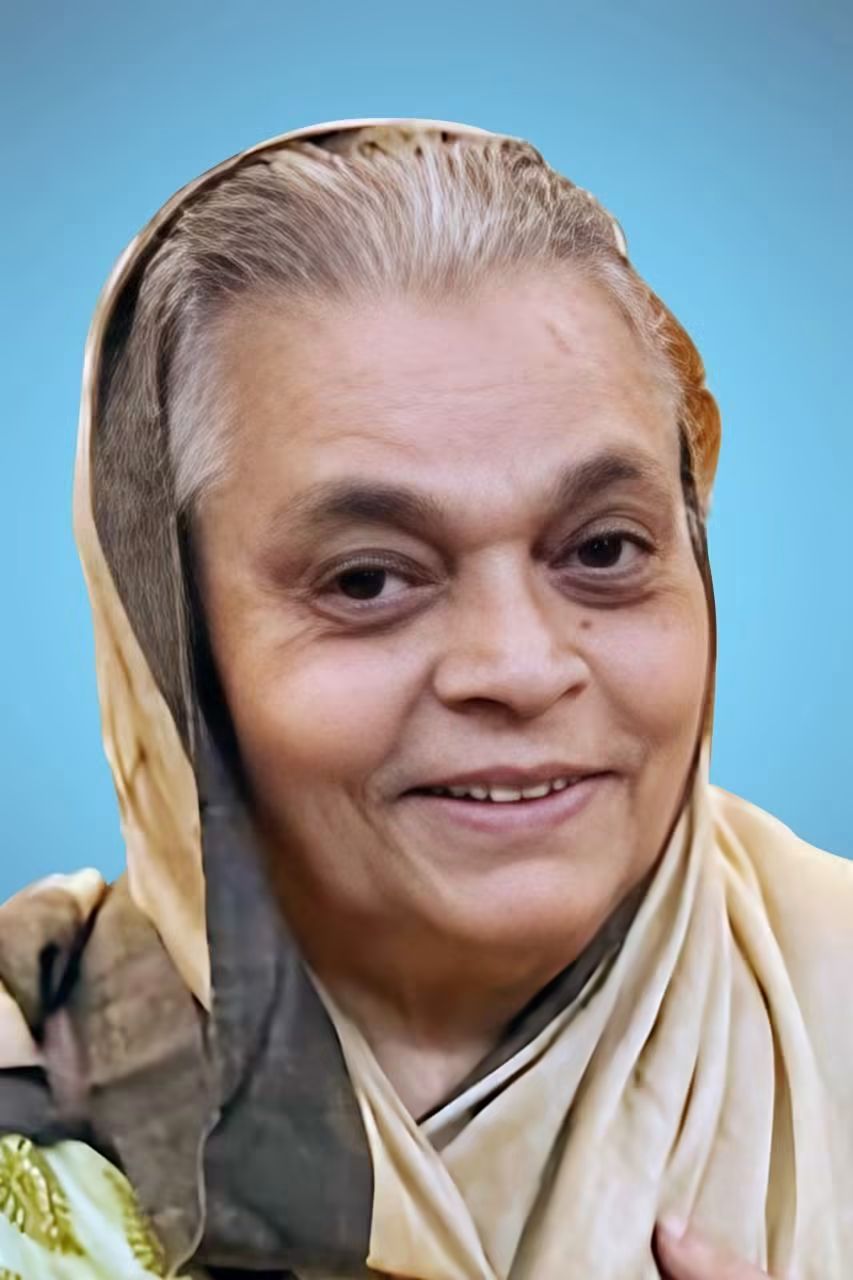
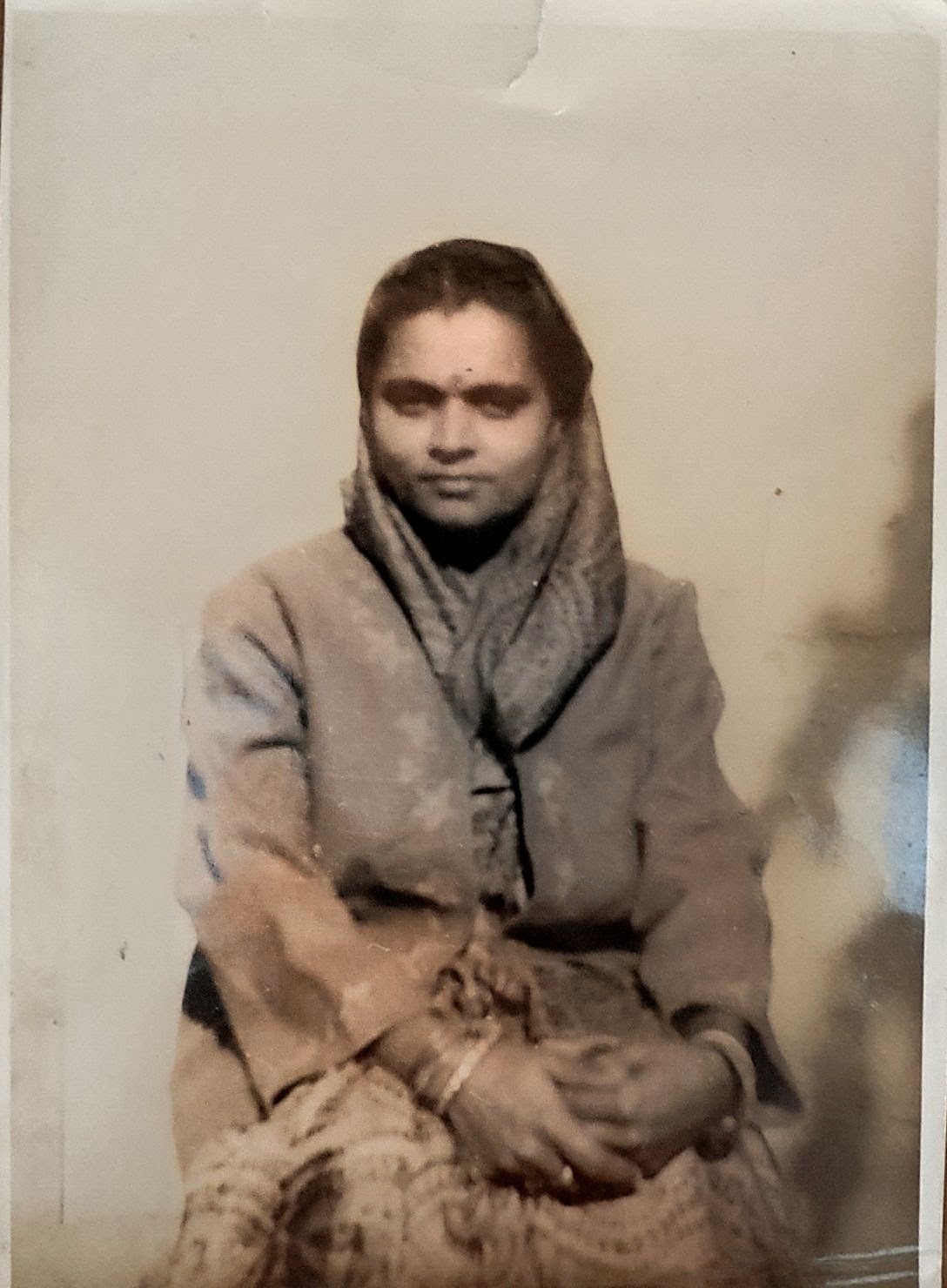
She was born in Kolkata in 1933. The fifth child and third daughter in a conservative Bengali family, she never went to school. In those days, boys went to school; girls stayed at home and were educated within the family. Perhaps that is why it is strangely ironic that she became one of the greatest teachers of my life. She was nicknamed ‘Chaini’—’unwanted’. Yet the small girl who was given that name grew up to be sharp, intuitive, positive and remarkably resilient. She inherited her father’s deep faith and took naturally to religious rituals.
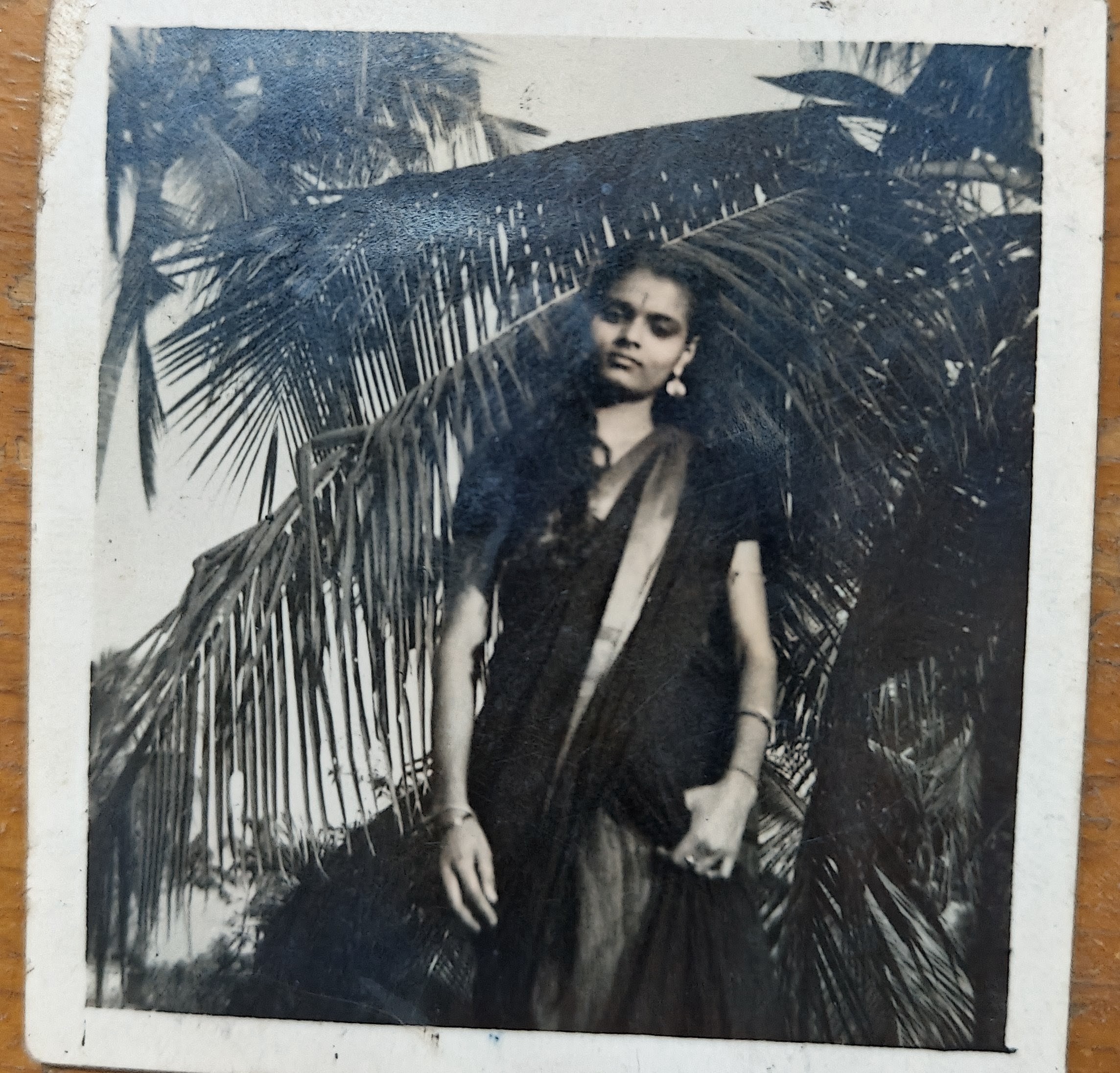
Ma… before her marriage

At nineteen, she was married to my father, thirteen years her senior, and left Kolkata for a distant Delhi—trustingly holding the hand of a man who was, in many ways, still a stranger to her. And then she did what she seemed to do throughout her life. She adapted. She learnt a new language, a new city, new customs, new people and a completely different social environment. And over the next six decades, she built a home and a family there. For my father, for my brother and me, for all of us.
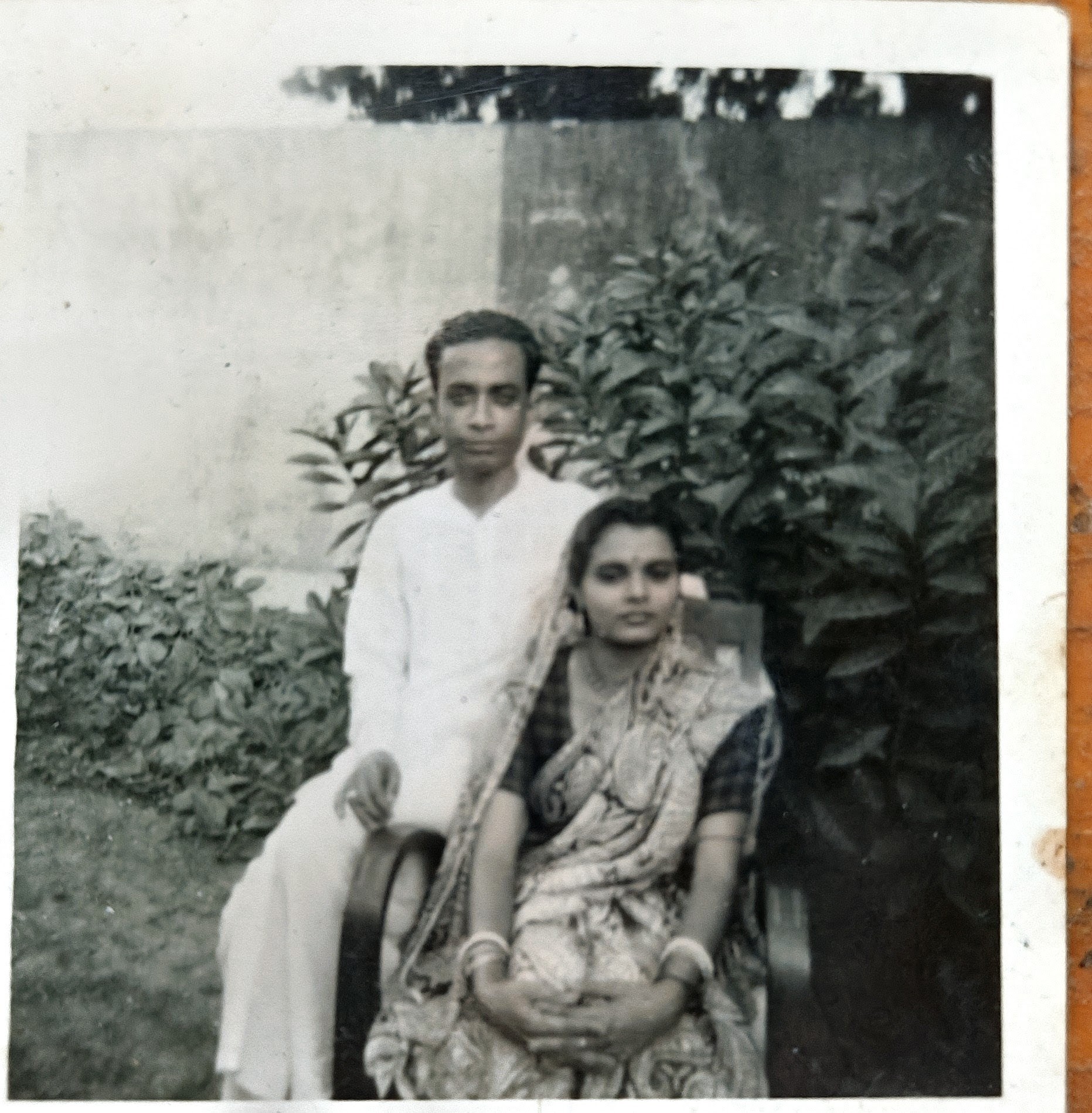
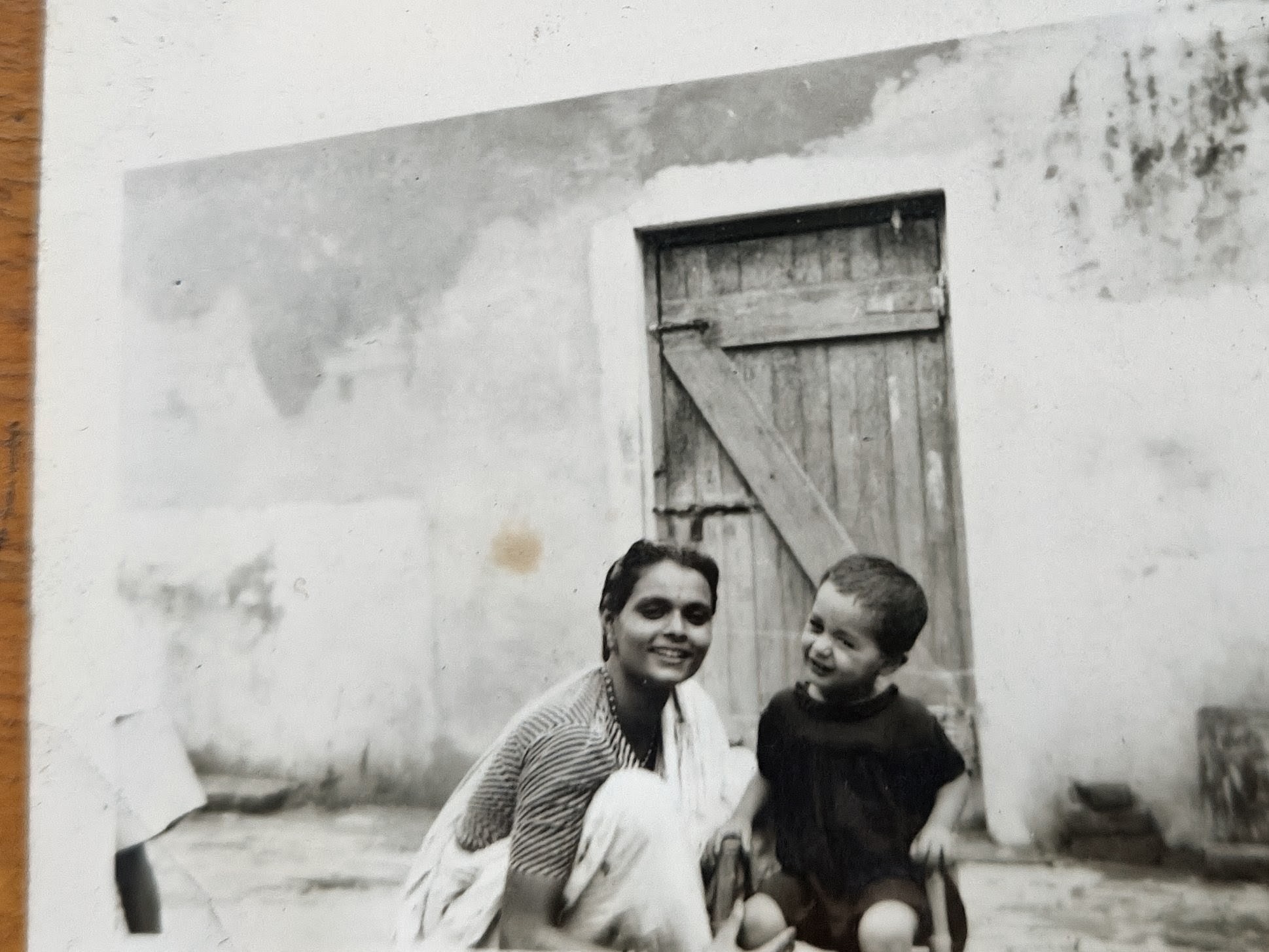
Ma as a new bride
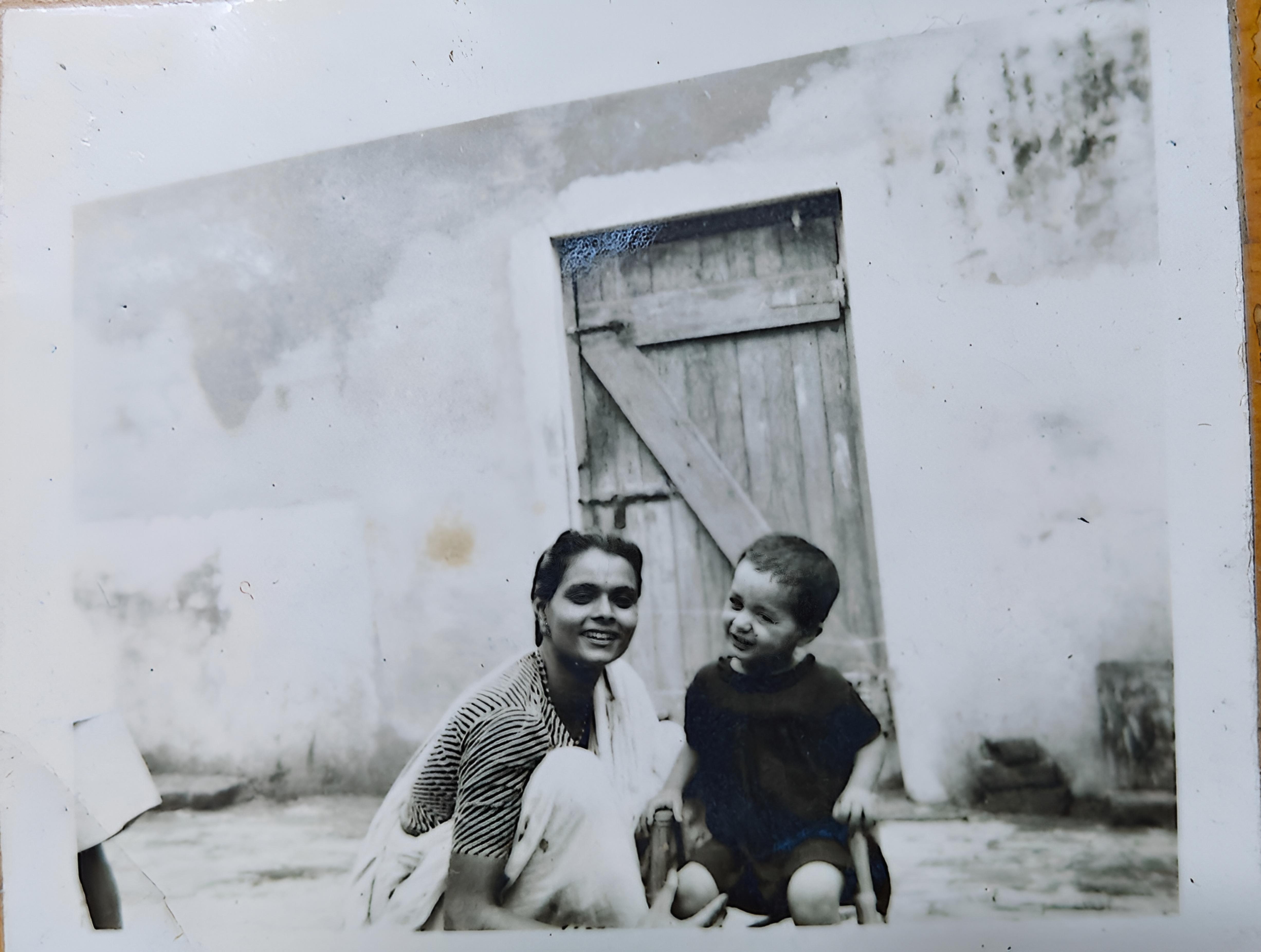
Ma with her first born- Me!

Ma had an extraordinary ‘can do’ spirit. Problems were meant to be dealt with, not worried about. Her positivity was infectious. Looking back, I realise how much of that quality I have inherited from her. She was our protective umbrella. And I remember the small things beneath that umbrella. The fresh orange juice she would get for me every afternoon from the neighbourhood juice shop. Her familiar assurance—“All will be well”—whenever I was feeling low or disheartened. Her cooking my favourite dishes when I returned home from the hostel. The countless little acts of care which, at the time, seemed so ordinary that I never stopped to think that they were, in fact, expressions of an extraordinary love.
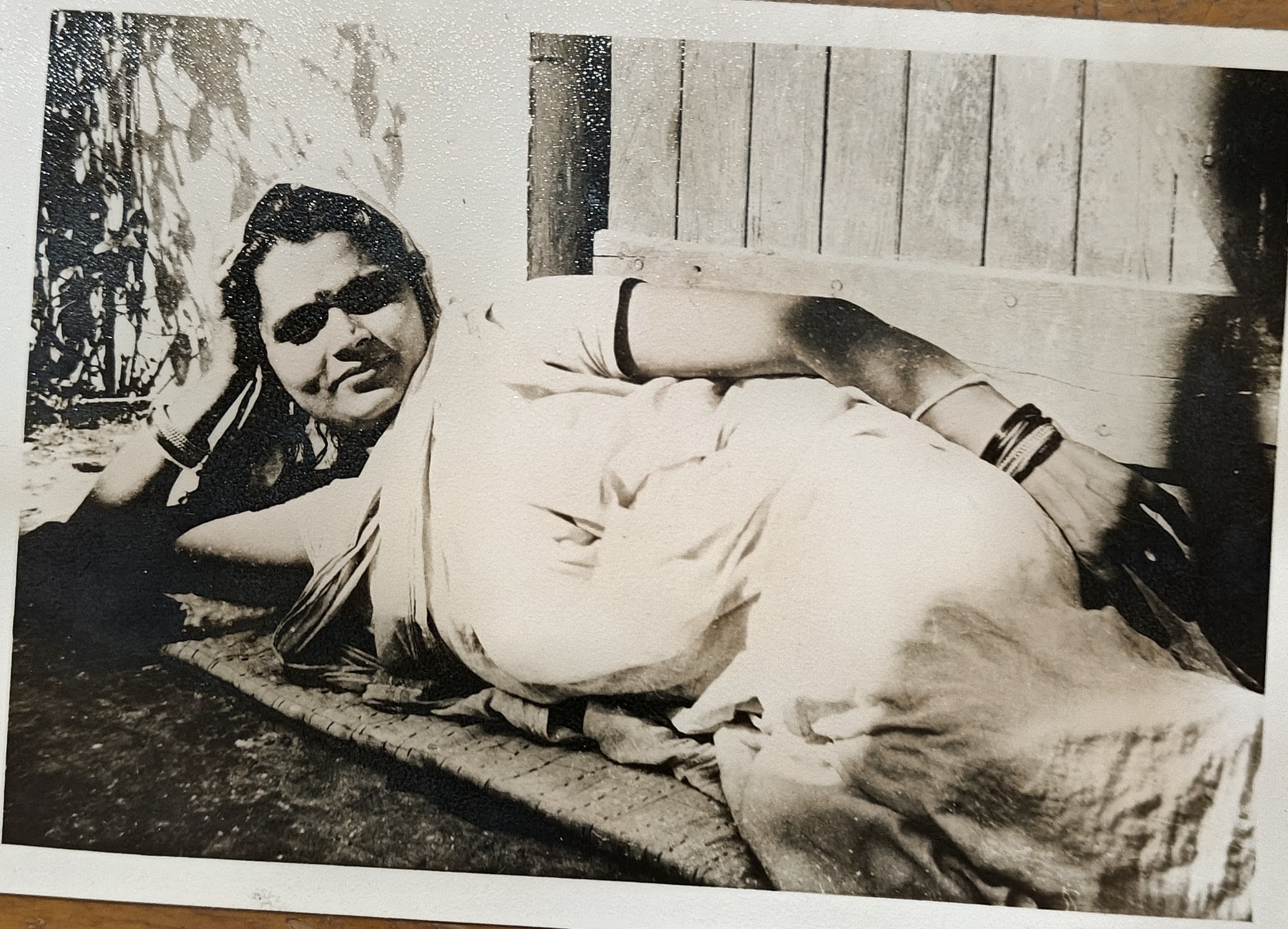
Ma at home…
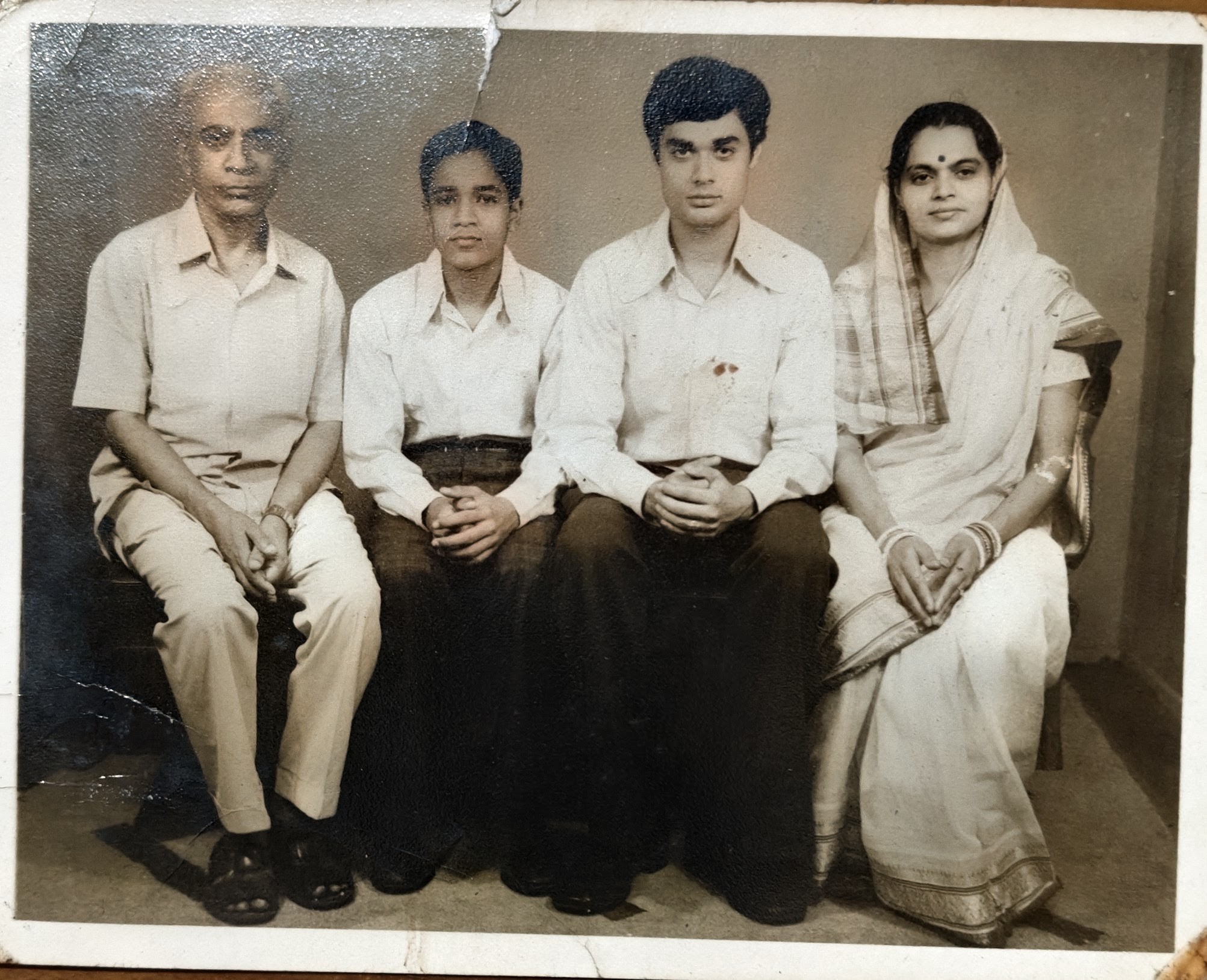
Ma with her family

Memories have a strange way of returning when someone is no longer there. And with them comes a painful realisation. I provided for her needs and comforts as she grew older. But did I give her enough of myself? Enough time, enough companionship? Enough of the simple presence that a mother perhaps seeks from her son as the years advance? I don’t think I did. Life became busy. Work, responsibilities, my own family, the endless hurry of everyday existence. And somewhere in that hurry, I perhaps forgot that while I was moving forward with my life, my mother’s world had gradually become smaller. Yet, even then, she never complained. Even till her last days, whenever I asked her how she was feeling, her instinct was to reassure me. As if even at the end, she did not want to burden her son with her troubles.
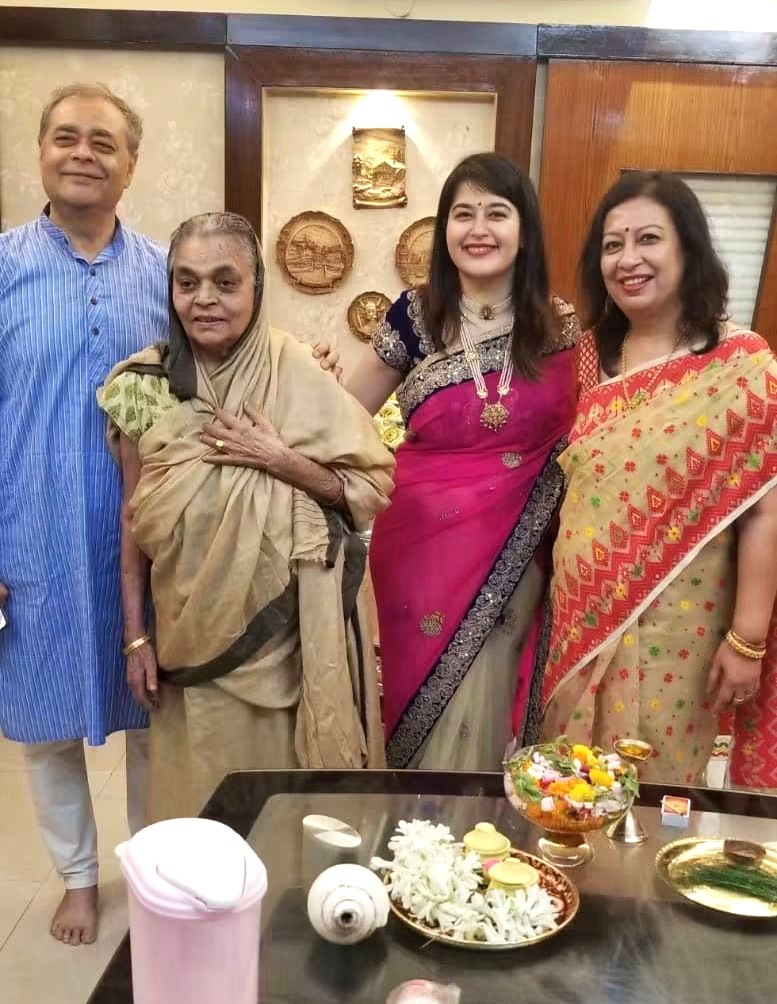
That was Ma. The umbrella remained open. Till the very end. There was one ritual that stayed with us almost till her last day. In the evening, when I went to sit with her for a while, she would blow her conch shell. That sound has stayed somewhere deep inside me.

Today, a year after she left, I sometimes imagine that she has finally met Bapi, my father, again. Thirty-two years after his departure. I imagine the two of them sitting together somewhere, having a cup of tea after such a long separation. And perhaps, every now and then, looking down at me. I don’t know whether there is such a place. But I like to believe there is. Because some bonds are perhaps not broken by death they simply become invisible.
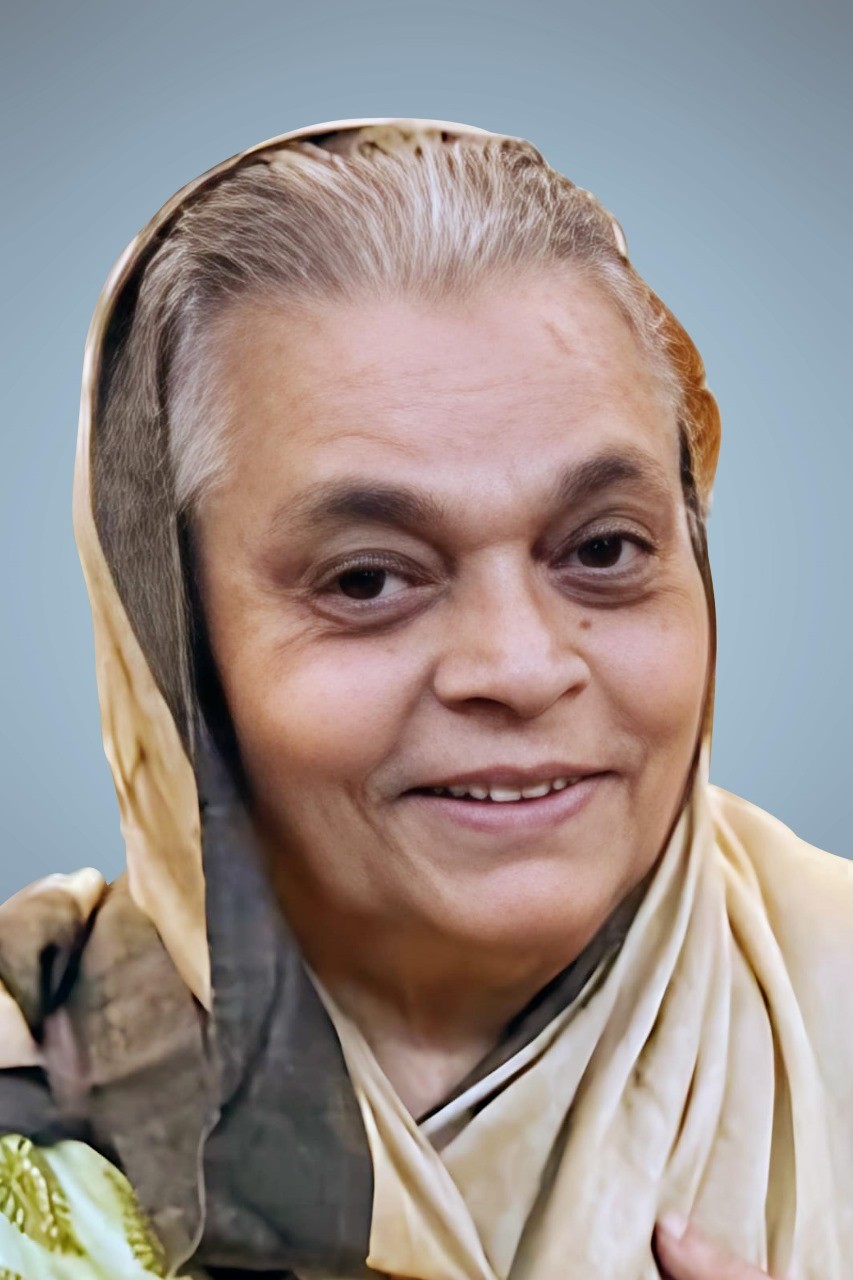
A quintessential mother……

My Ma came into this world as a little girl called ‘unwanted’. She left it having spent ninety-two years giving love, strength and blessings to everyone around her. And perhaps that is the deepest irony of her life.

Today, I don’t mourn only the mother I lost. I would like to celebrate the woman she was. And I remain deeply conscious of the greatest blessing she left me— a lifetime spent under an umbrella of unconditional love. Ma, the umbrella may no longer be visible. But I still feel its shade. And I always will. ❤️

In musing……. Shakti Ghosal
Ma—A Bridge Between Two Worlds


In Memoriam

Ma passed away a few days ago. In her 93rd year, the end came quietly, almost imperceptibly—an erratic pulse, two deep breaths, and then a stillness that felt like both departure and arrival. As I sat with the silence that followed, I realised that Ma, my mother, had been throughout her life a bridge—between worlds, between the slow rhythm of yesterday and the unrelenting urgency of today.

She was born into a Bengal still rooted in an older order, one among eight siblings, the third successive daughter in a family that longed for sons. Her given name, “China,” carried within it a wound of social prejudice. In colloquial Bengali, it implied “not wanted,” a stark reminder of how deeply patriarchal values once diminished the worth of a girl child. Yet, rather than allowing that name to define her, she infused it with dignity through the life she lived.

Her childhood belonged to a world we can barely imagine today—a house with a cowshed, a manual hand pump for water, and a pukur, a pond at the back where the family bathed. Dirt roads wound between houses, lanterns cast the evening glow, and chalk on slate was the beginning of literacy. But this simplicity was not untouched by history’s turbulence. Ma was a child when Japanese planes dropped bombs over Kolkata during the Second World War. She saw emaciated villagers streaming into the city during the Bengal famine of 1943, begging for fyan, the water from boiled rice, which households discarded. She was there when the horror of the Calcutta killings unfolded in 1946, a prelude to the traumatic Partition that would tear the subcontinent apart.

At nineteen, she married my father, more than a decade older, in the manner common to her time, seeing him for the first time on her wedding day, then journeying more than a thousand kilometers away to Delhi. Communication with her family in Calcutta became an exercise in patience: hand-written postcards, inland letters slipped into red post boxes, and the long wait for the postman that brought replies.

Her early years as a young bride unfolded in a government quarter on Punch Quin Road. Delhi summers were hot and dry, cooled only by the hum of ceiling fans and open windows. Even though she had to pick up the new language of Hindi, she formed easy friendships with neighbours, women bound together by proximity and mutual reliance. If she ran out of salt or turmeric while cooking, she would simply knock on a door and borrow. Life was slow, and its pace cultivated the virtue of patience. Waiting was not an inconvenience—it was a way of life. Waiting for letters, waiting for the dairy gate to open, waiting for a favourite song to emerge from the crackling radio.

As the years passed, her single-minded focus of her family became what defined her. She bore two sons and lived for her husband, her children, and later, grandchildren. Days blended into one another, but in that blending was the rhythm that gave her life meaning.

Meanwhile, the world outside was changing with increased speed. She saw the milk delivered warm from a cow at the dairy replaced by cold cartons stacked on supermarket shelves. She watched neighbourhood grocers, who once weighed vegetables on balance scales, give way to supermarkets where barcodes replaced conversation. She moved from the clunky rotary-dial telephone, whose every call was deliberate, to the age of the smartphone, where continents could collapse into a single video call. She saw handwriting, once a vital art, yield to text typed on computers and phones.

But what stands out most is how Ma absorbed these changes, without losing herself. She adapted, yet never forgot the cadence of the world she came from. She could marvel at a video call and also leaf through old preserved letters kept between the pages of the Panjika, the Bangla almanac that dictated her daily rituals. She delighted at the convenience and taste of instant noodles yet remained a reference point of how meals could be cooked slowly and better over coal or wood-based fire. In her, two worlds seemed to coexist, not in conflict, but in harmony. She was a living reminder that adaptation need not mean erasure, that continuity and change can inhabit the same soul.

Ma bore witness to the eradication of dreaded diseases like smallpox and polio, but also endured the arrival of Covid-19. She celebrated the births of grandchildren and great-grandchildren, while also grieving the loss of friends and siblings.

Four generations

Over the years, her own family shrank, with the passing of my father and brother. She increasingly withdrew into a world of her own inhabited by Jap, piety and meditation. During the last couple of years, she would hold my hand in silence, after blowing her shank, conch shell every evening. A mute reminder that I was the only one left of the family she had been devoted to.

Now, as I try to understand what she has left behind, I realise she was more than a mother; she was the bridge between what was and what will be. She connected the slow, earthy world of ponds, lanterns, and letters to the digital age of instant gratification and restless speed. She stood between fading traditions and emerging futures, carrying forward love, devotion, and humanity as constants amidst change. In her, I saw that resilience is not loud or forceful but quiet, steady, and accepting.

To live ninety-two years is to live many lives within one. As I look back at her long journey, I feel gratitude more than grief. For in her passing, she has not left me empty-handed. She has given me the assurance that change can be embraced without losing one’s essence. And she has shown me that love, patience, and quiet resilience are the true bridges between the worlds we inherit and the worlds we leave behind.

Shakti Ghosal

.