We Have Misunderstood Our Place in the World?

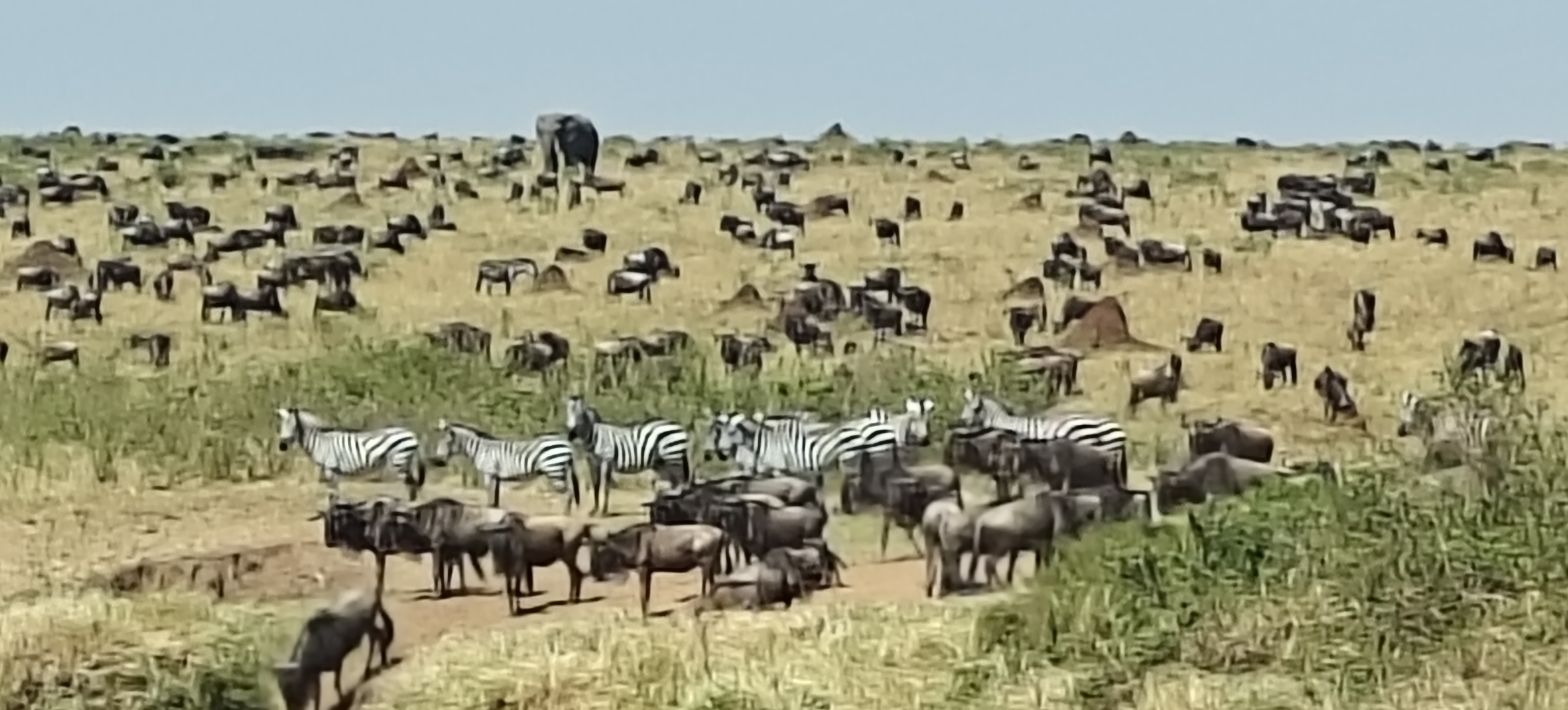
I spent the morning watching the animals move across the Kenyan savannah. There were wildebeest everywhere. Zebras moved among them almost casually. An elephant and its cub stood beneath a tree. In the distance, the landscape seemed to stretch endlessly, without walls, roads or buildings to interrupt it. For a while, I simply watched.

There was something strangely humbling about seeing so many creatures occupy the same landscape without any apparent need to possess it. They did not own the land. They did not draw boundaries across it. They did not put up signs announcing that a particular piece of earth belonged to them. They simply lived there.
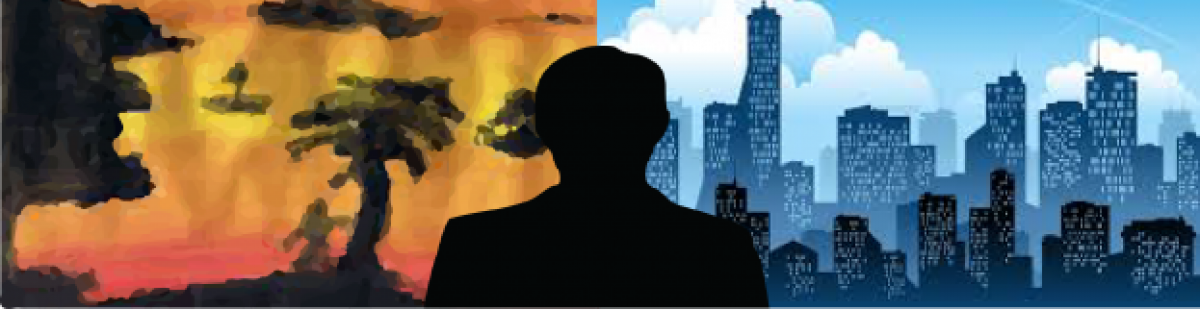
And then a thought occurred to me. What if we have misunderstood our place in the world?
For centuries, we have measured human progress by our ability to control nature. We cut down forests and called it development. We dammed rivers and called it progress. We covered open land with concrete and called it urbanisation. We moved mountains, redirected water, altered landscapes and exterminated species after species, making them disappear. And while doing so, we often congratulated ourselves on our ingenuity and intelligence.

But somewhere along the way, we perhaps began to confuse our ability to control something with the right to own it. The savannah seemed to offer me a different philosophy. The animals did not appear to be conquering the land. They were part of it. The elephant did not need to dominate the tree beneath which it stood. The zebra did not need to fence off its patch of grass. The wildebeest did not need a title deed to the earth beneath its feet. They belonged to the landscape without claiming it. Perhaps that is what we have forgotten. We speak endlessly about what we will leave behind. Be it buildings, businesses, fortunes, roads or institutions. We would strive to leave our names on plaques and our photographs on walls. But perhaps there is another kind of legacy…….

What we choose not to destroy. The forest we would leave standing. The river and the waterbody we would allow to remain clean. The animal(s) whose habitat we would protect. The open space we chose not to convert into concrete. The silence we did not fill.

Standing there in Kenya, I began to wonder whether civilisation should really be measured by how much of nature we can bend to our will. Or how much of nature we chose to leave as it is. Perhaps the more difficult measure is how much power we possess—and how much restraint we exercise. Because restraint requires something that conquest does not. It requires us to recognise that we are not the center of everything. The realisation that the earth existed before us, the wild existed before our cities, our borders and our ambitions. And, if we are wise enough, much of it will continue to exist after we are gone.

Perhaps we are not the owners of this world after all. Perhaps we are merely its temporary custodians. We arrived without asking permission. We will leave without taking anything with us. Between those two moments lies the brief privilege of being of who we are and our presence here.

And so I find myself asking a different question. Not simply, what will we build while we are here? But, what will remain because we were here? I closed my notebook. The animals continued moving across the savannah. They had not heard my question. Perhaps they did not need to. They seemed to know the answer already.
— Rudra Bose, the Last Writer of Kolkata
#WhatIf #RudraBose #ShaktiGhosal #TheLastWriterOfKolkata #KenyaSafari #Wildlife #NatureAndUs #Storytelling #IndianAuthor #ThoughtProvoking #JourneysThatStay