……societies change not because they have become wiser but because they become preoccupied with different anxieties.
August 2026
Nineteen years. That is long enough for a child to become an adult. It is also long enough for governments to rise and fall. Long enough for a city to forget the sound of its own anger.
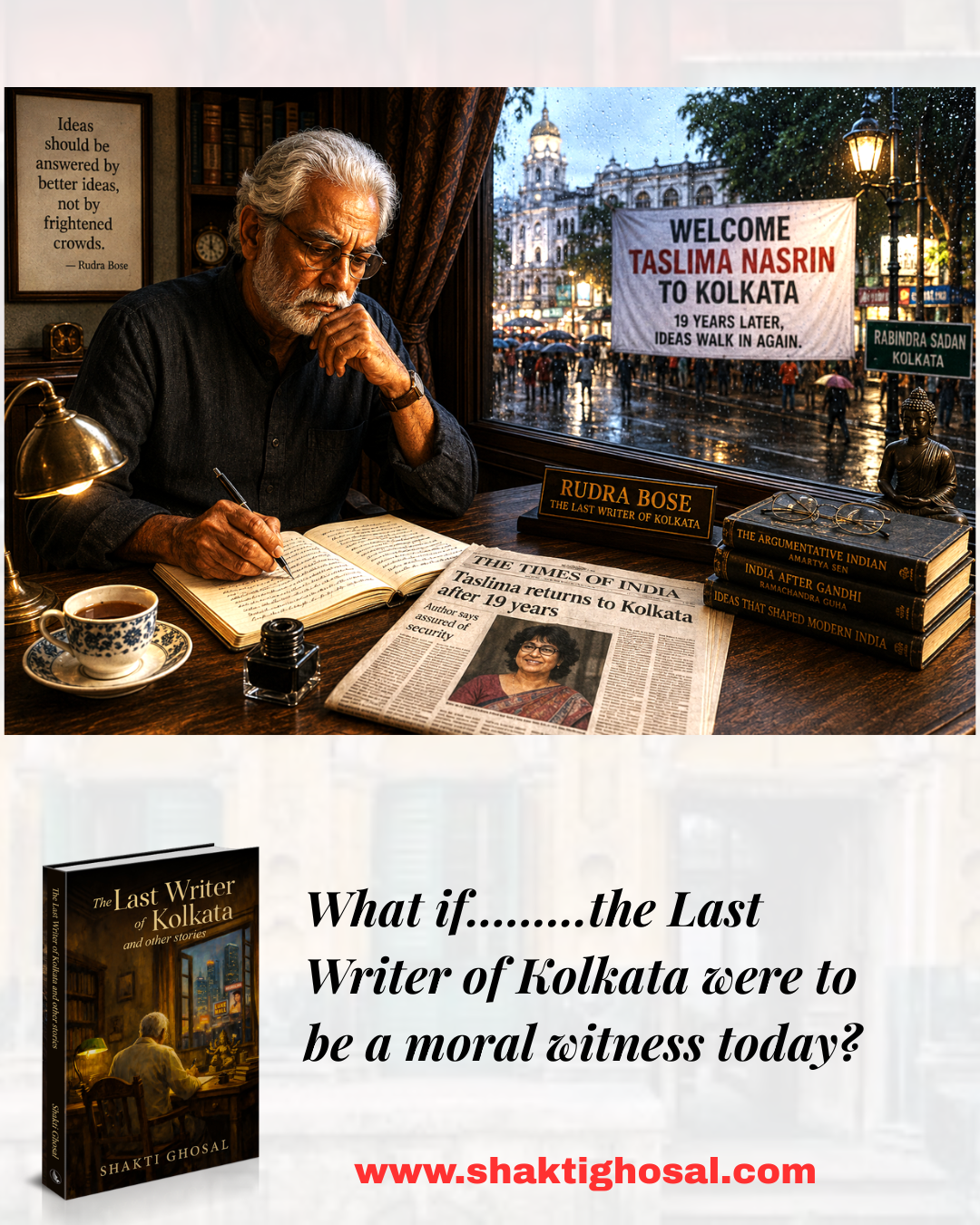
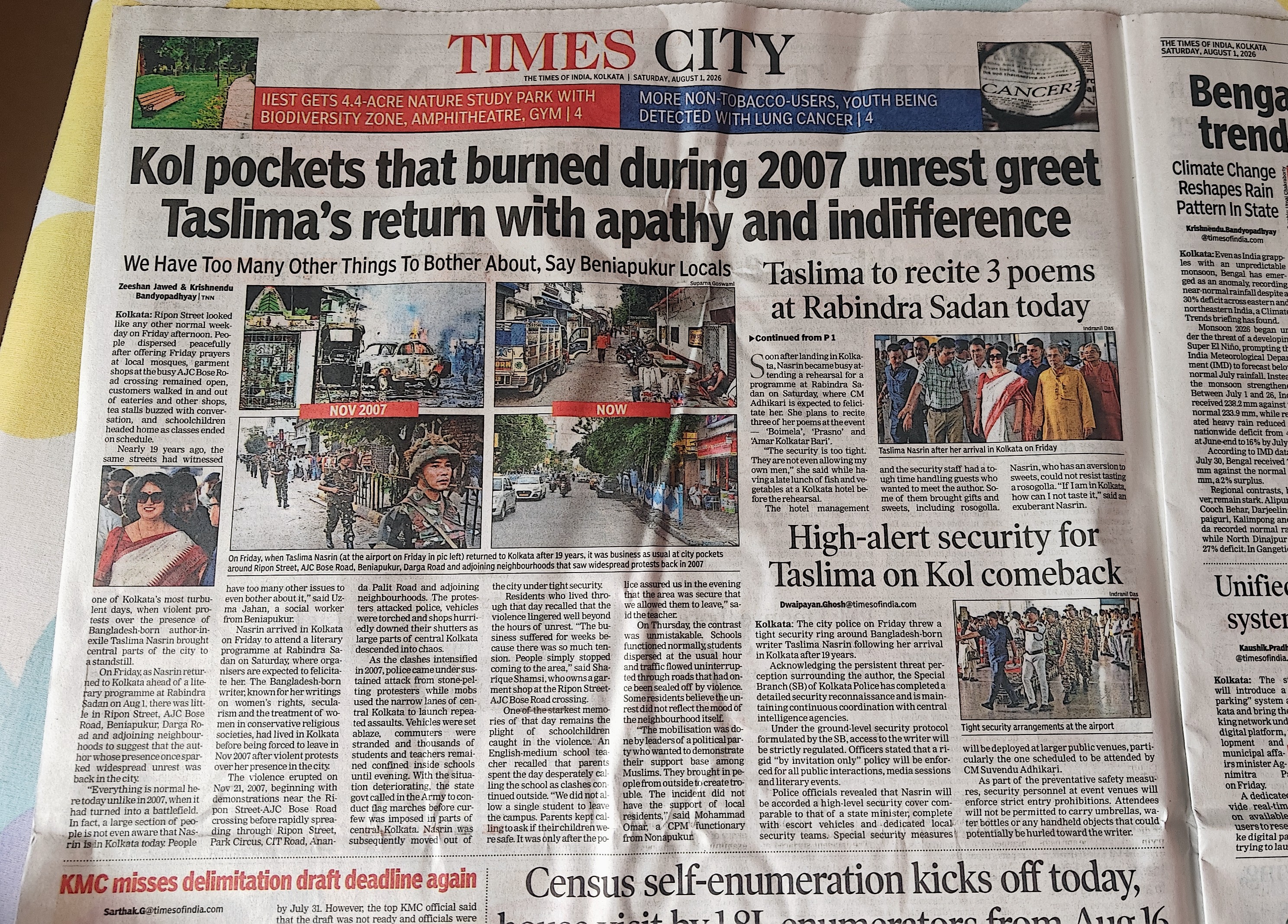
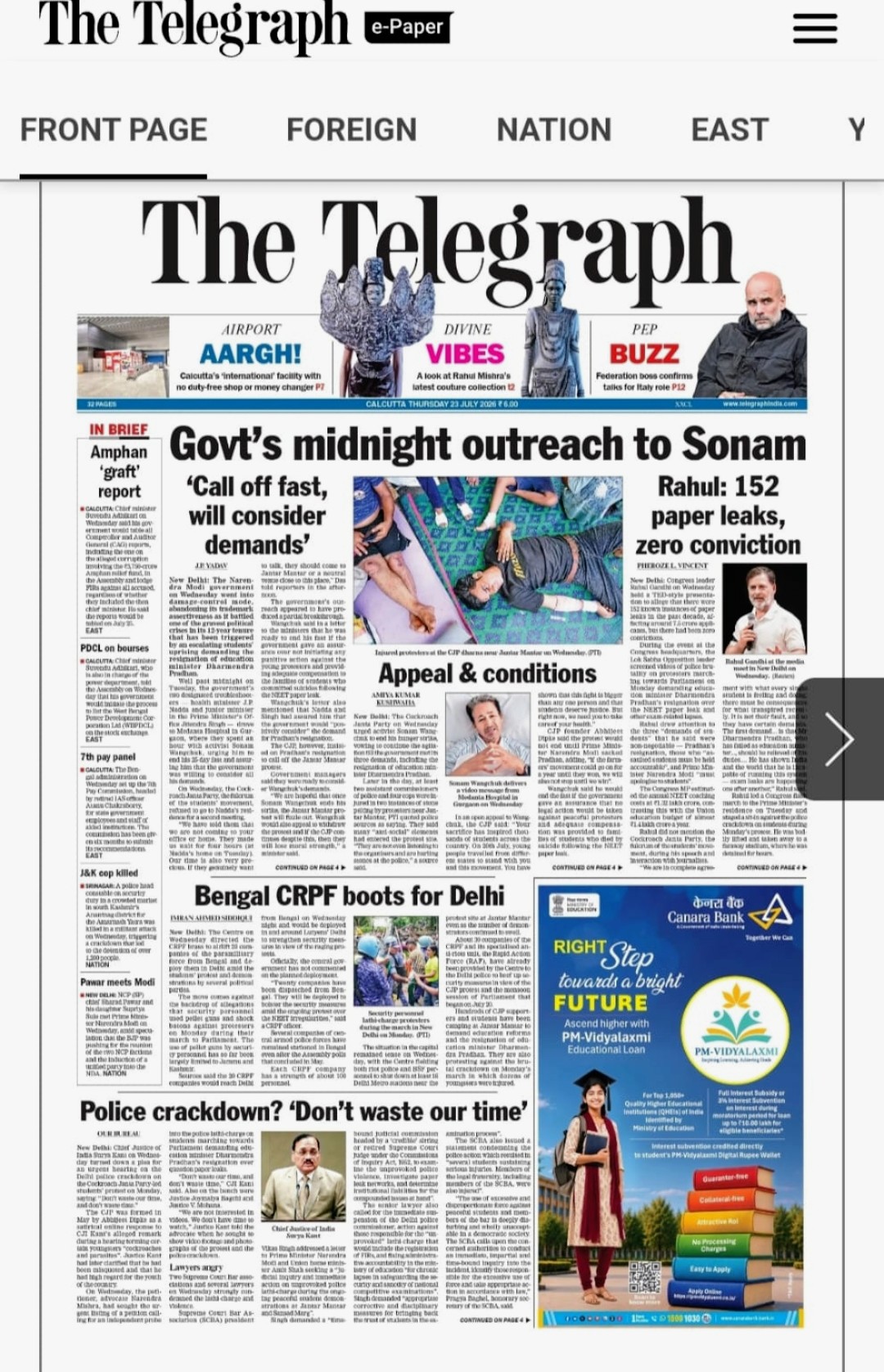
The other day, the newspaper told me that Taslima Nasrin has returned to Kolkata after nineteen years. The same city that once burned over her presence now seems to have greeted her mostly with routine, security cordons and a curious indifference.
Talima Nasrin report in the Newspaper
It made me wonder. What has really changed? Did we become more tolerant? Did we finally learn that books and what is written within need not be answered with barricades? Or have we simply acquired newer fears that leave us with less energy for old ones?
Perhaps every generation chooses its own battles. Yesterday it was identity. Today it is jobs, examinations, inflation, technology, security and an uncertain future. The loudest outrage of one decade quietly becomes yesterday’s headline.
As I folded the newspaper, I realised that a mature society is not one where everyone agrees. It is one where disagreement no longer needs to be escorted by violence. If Kolkata has truly changed, the victory does not belong to any government, any ideology or any writer.It belongs to the simple belief that ideas should be answered by better ideas, not by frightened crowds.
That is how civilisation grows—almost unnoticed, one quieter street at a time.
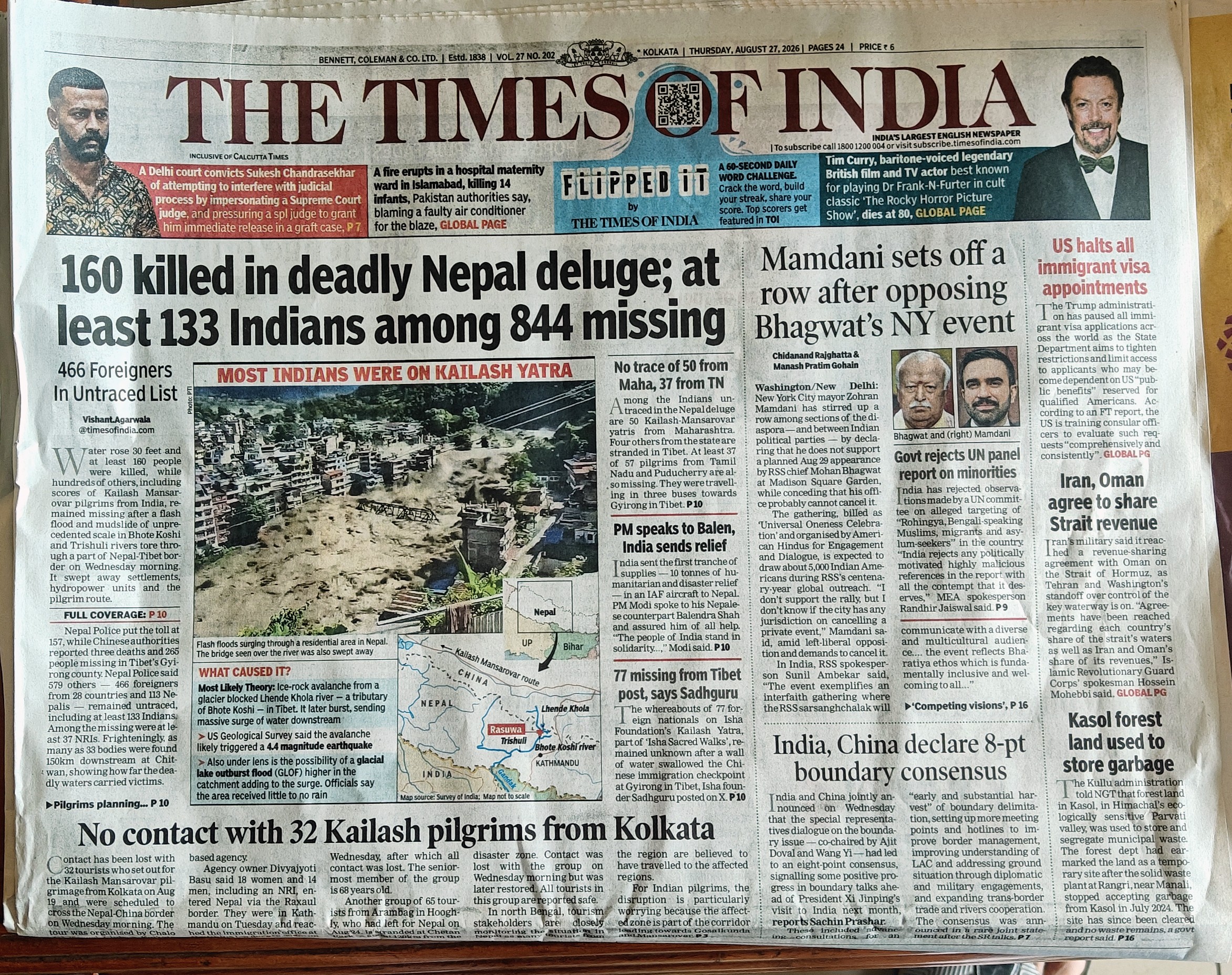
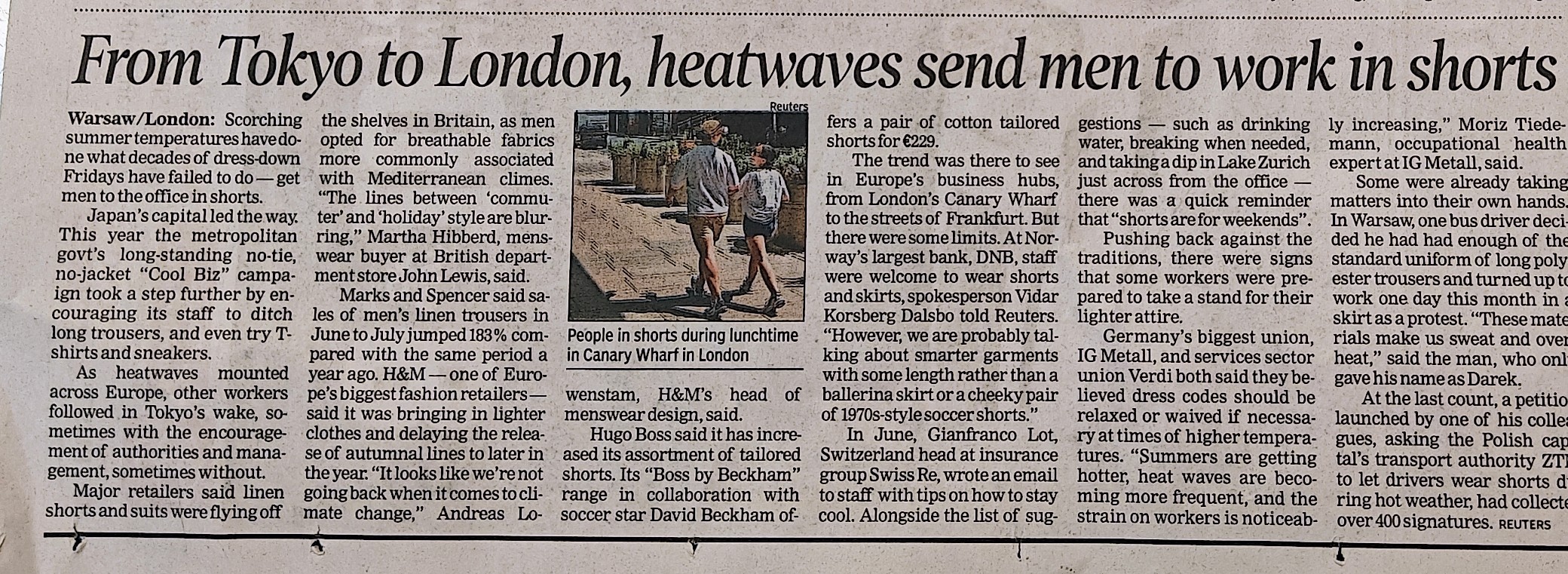
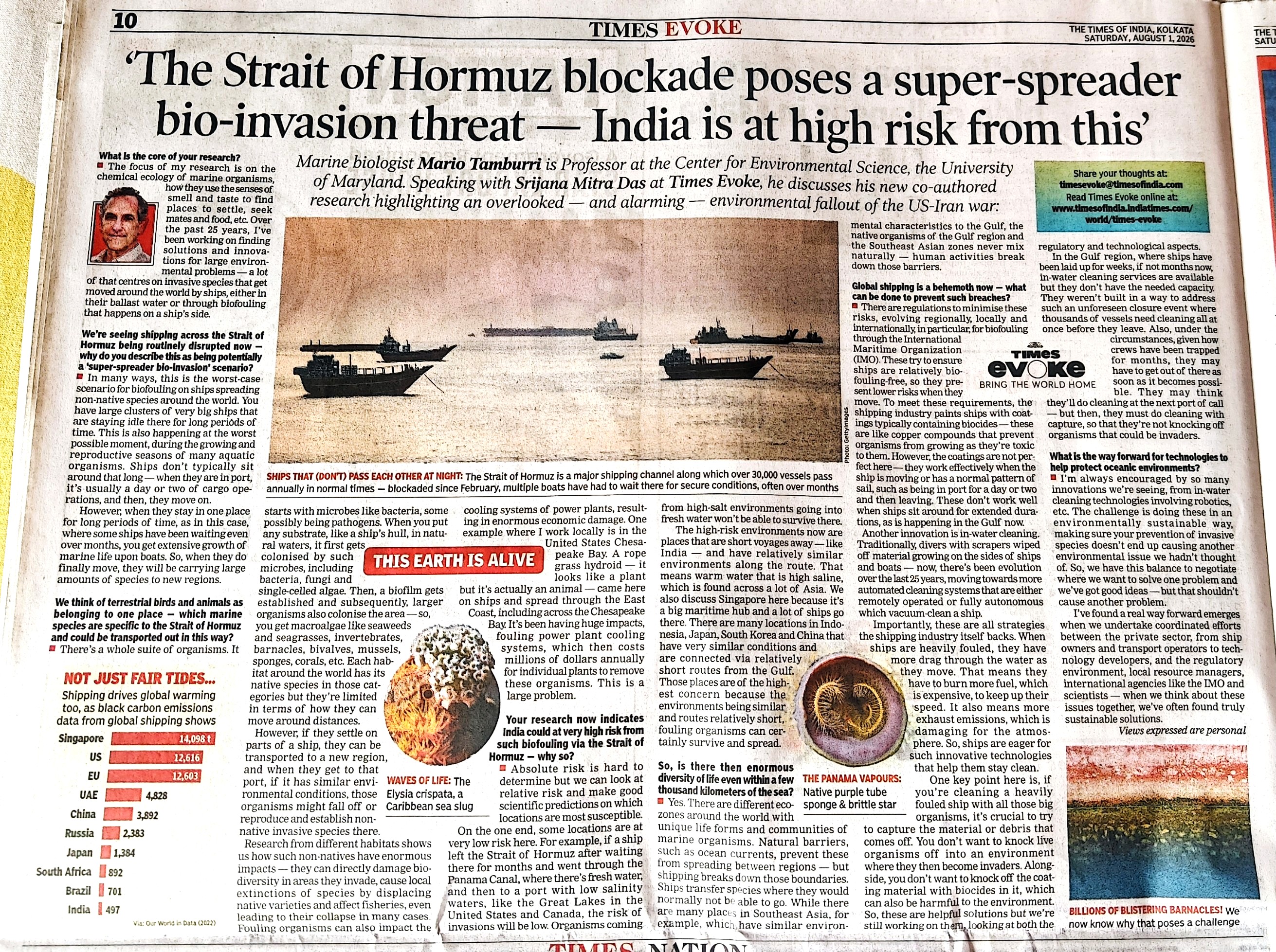
A newspaper report I read the other day literally stopped me in my tracks. It spoke about an unexpected consequence of the geopolitical tensions around the Strait of Hormuz. As ships remain berthed for prolonged periods, marine scientists are warning of an increased risk of invasive organisms hitching a ride across oceans, disrupting ecosystems thousands of kilometres away. At first glance, it appeared to be a story about shipping and marine biology. But as I read further, I realised it was really a story about something much larger.
A Times of india report
Nature rarely responds in straight lines. A political conflict can become an environmental risk. A delay in maritime traffic could alter the movement of microscopic life. Human decisions in one corner of the world quietly reshape ecosystems in another.
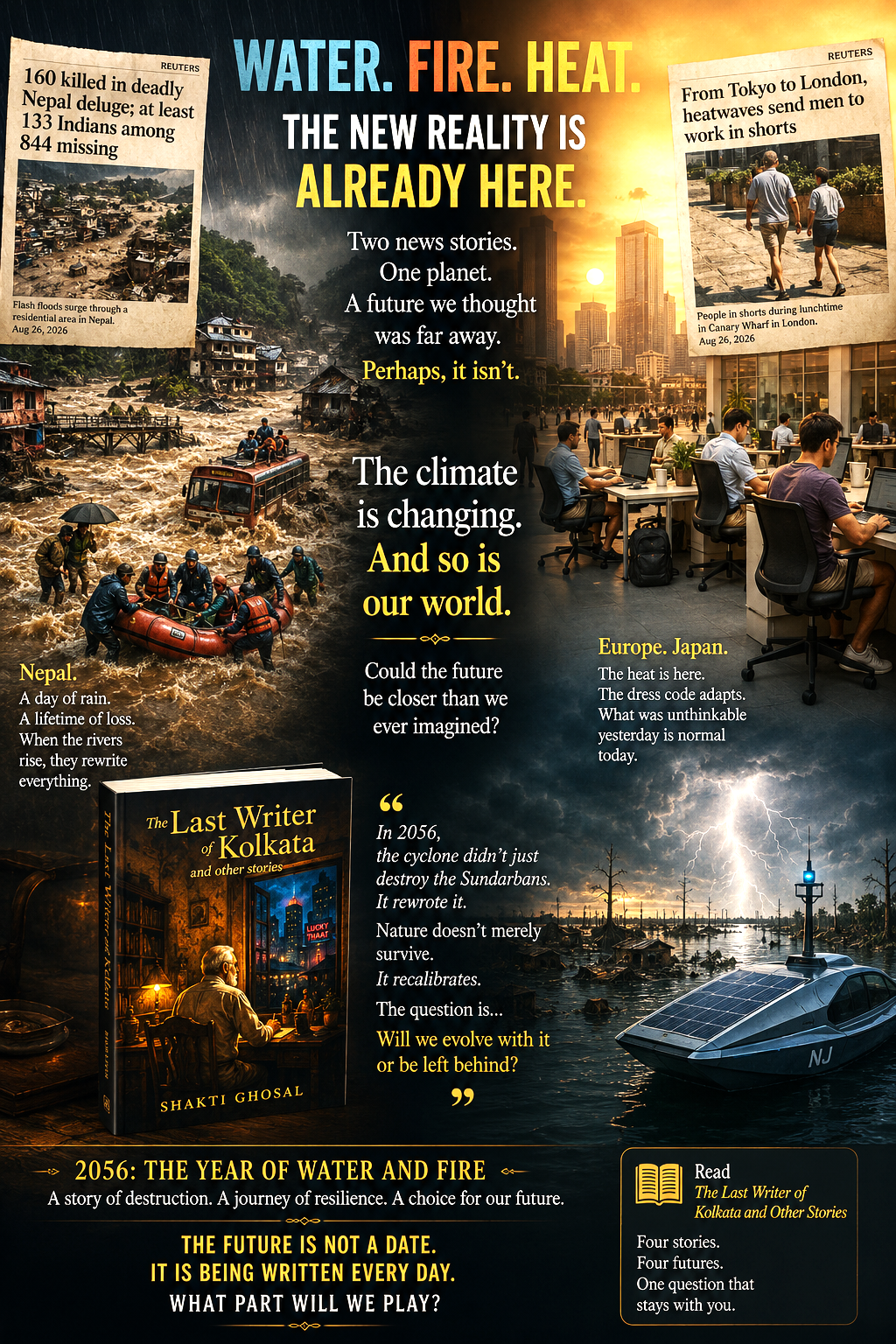
While writing 2056: The Year of Water and Fire, I had found myself returning repeatedly to this thought. We often imagine climate change as a sequence of visible catastrophes—cyclones, floods, rising seas. Yet the more profound transformations are often quieter. Species migrate. Rivers redraw themselves. New ecological relationships emerge. Life adapts in ways we neither anticipate nor fully understand. Toward the end of the story, after a devastating cyclone had rewritten the geography of the Sundarbans, the first instinct of the survivors was despair. But when the dronobots began mapping the devastation, they uncovered something unexpected. Amid the destruction, nature was already experimenting. Islands were shifting. Mangroves were finding new footholds. Wildlife was adapting. The ecosystem, scarred but alive, was quietly reorganising itself for a different climate. It was neither revenge nor redemption, it was recalibration.
That thought had stayed with me because it challenges one of our deepest assumptions. We often speak of “saving nature,” as though it were a fragile object waiting for human intervention. History suggests something more humbling. Nature has an extraordinary capacity to reinvent itself. It is we who struggle to keep pace with the consequences of that reinvention.
Perhaps the real lesson is this. The future will not unfold as a neat extension of the present. It will emerge through countless interactions we barely notice today—between politics and ecology, technology and biology, human ambition and planetary resilience.
In 2056, Nayanjol, the sentient boat, eventually becomes more than a machine. He becomes a guardian who understands that survival does not lie in resisting nature, but in learning to listen to it.
Maybe that is the question our own times are quietly asking. Not whether nature will adapt. But whether we will.
…. we do not really know the people who live beside us?
August 2026
When I was a child, every neighbourhood had an unofficial security system. It was called knowing one another. Your mother knew who lived next door. The grocer knew whose son had returned from college. The postman knew which house had a new baby. The stranger was noticed because everyone else was familiar.
Today we have CCTV cameras, biometric gates, visitor apps, facial recognition and digital identities. Yet we often do not know the person who shares the lift with us.
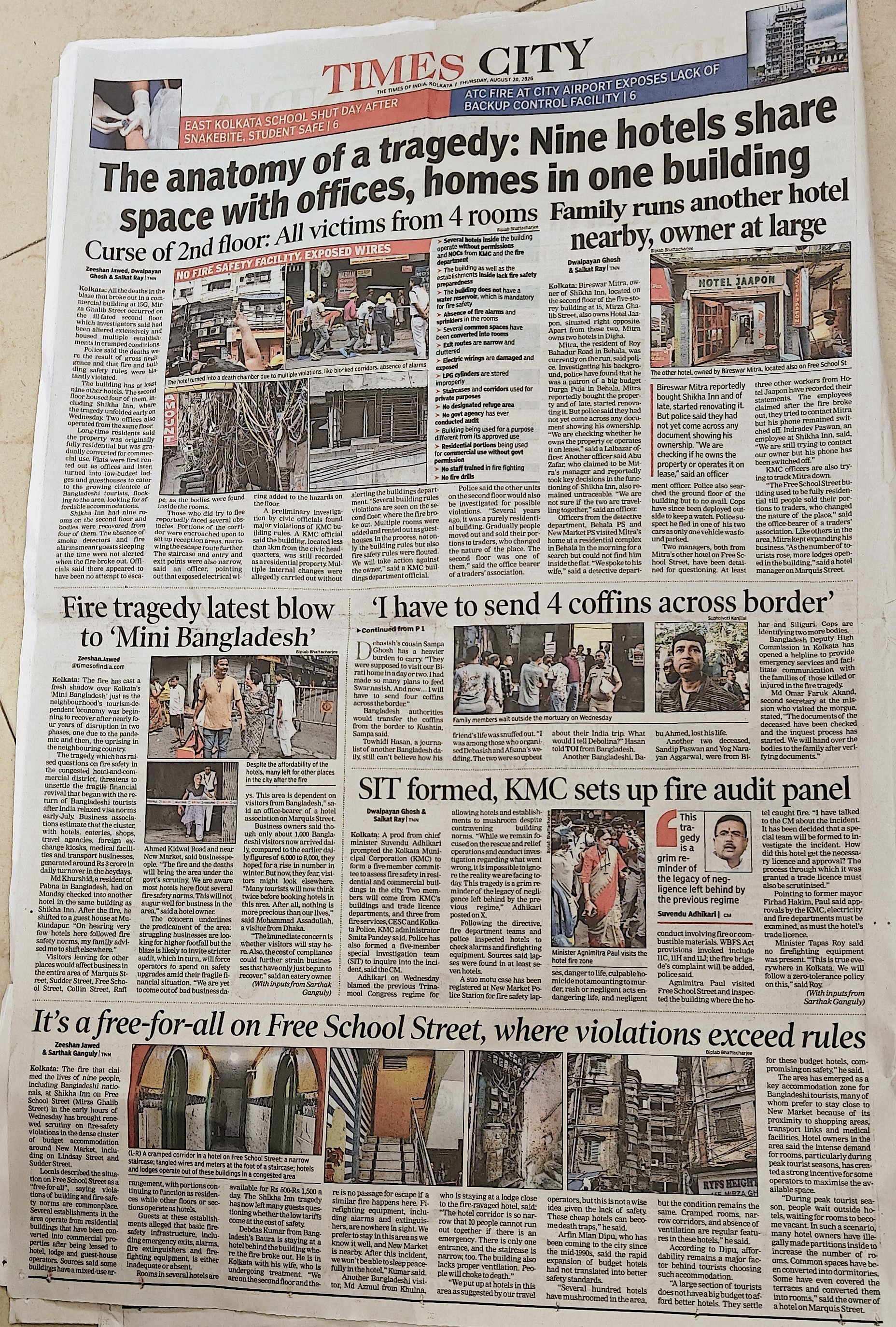
The newspapers tell us that a young man, described by neighbours as polite and ordinary, is now accused of living a different life of a terrorist behind an ordinary face. If the allegations are proven true, it is a chilling reminder that the greatest disguises are no longer masks. They are routines. Terrorism succeeds long before any explosion. It succeeds the day suspicion replaces trust, when every unfamiliar face begins to look dangerous, and every ordinary neighbour becomes a question mark.
That is precisely why a civilised society must refuse both complacency and paranoia. Security agencies must remain vigilant. Citizens must remain alert. But neither should surrender the humanity that allows communities to exist.
As I folded the newspaper, I wondered whether the greatest security failure of our times is not merely that dangerous people can hide among ordinary citizens. It is that modern life has quietly taught ordinary citizens to live among one another without ever truly knowing those around us. Perhaps the strongest wall against terror is not built of concrete or surveillance. Perhaps it begins when a society rediscovers the forgotten art of being a community.
……when a generation no longer asks for privilege, but for credibility.
July 2026
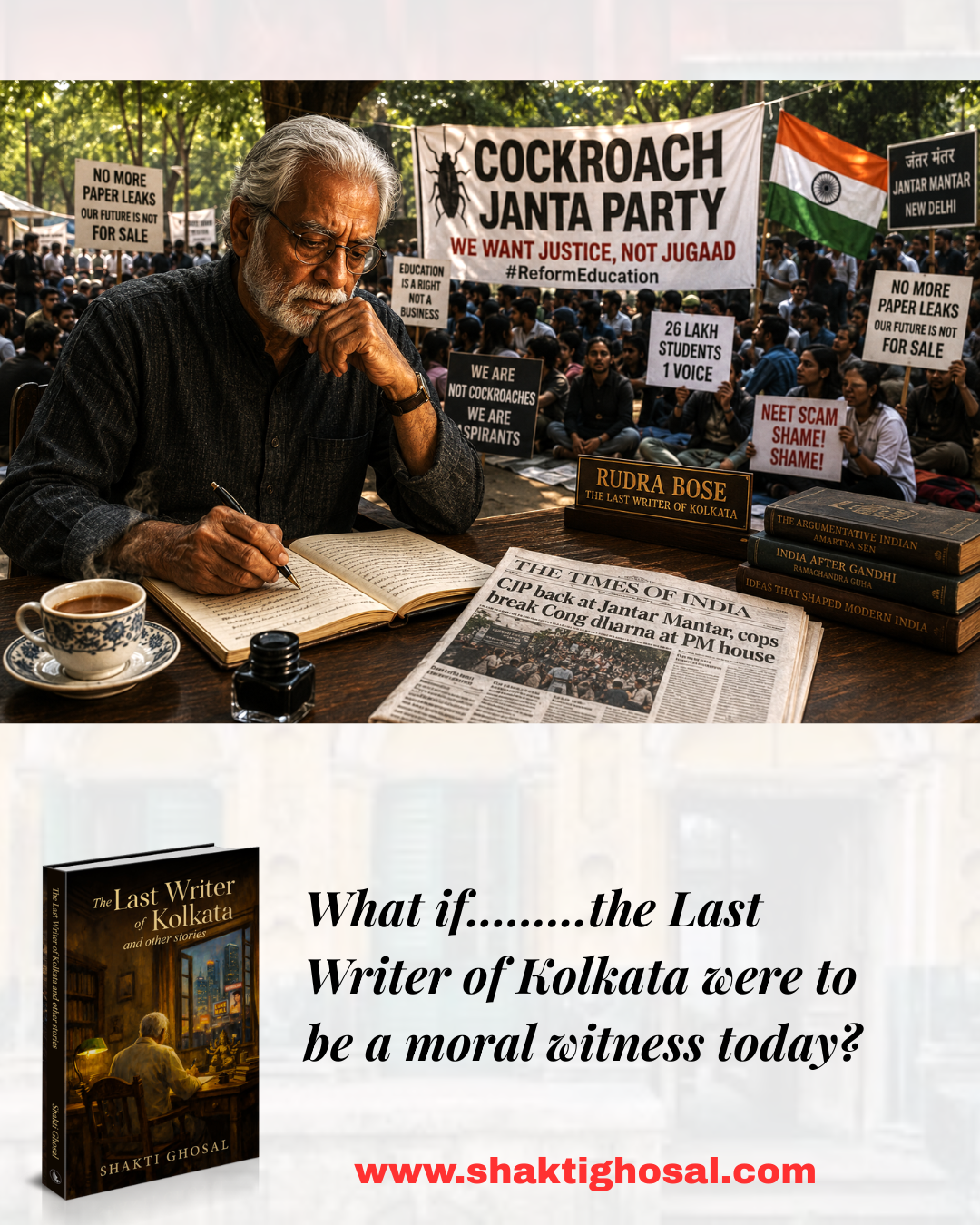
A few mornings back I learnt that an entire movement has chosen to call itself the ‘Cockroach Janta Party’. I smiled. Not because the name is amusing. But because history has always had an odd habit of allowing the insulted to reclaim the insult. (I recall many years back, the Chai-wallah epithet had provided a positive momentum to Prime Minister Modi’s persona)
There was a time when young people marched carrying flags. Today they march carrying memes. Yesterday’s slogans have become today’s hashtags.
Yet beneath the humour, I hear something painfully familiar. It is not anger; it is disappointment.
Every generation believes the next examination will open the next door. When that examination itself becomes the subject of doubt, it is not merely a paper that leaks. Trust does.
The young are often accused of being impatient. Perhaps they are. But there are few things more dangerous than asking an entire generation to wait while uncertainty becomes a way of life.
Governments may negotiate. Oppositions may protest. Television studios will certainly debate. But none of them can afford to overlook the quiet question echoing through millions of homes, ‘If merit itself begins to look negotiable, what exactly are young people expected to believe in?’
As I folded the newspaper, I realised that the greatest examination before our nation is no longer the one written by students. It is the one our institutions are writing every day. And unlike the students, they will not be judged by the answers they give. They will be judged by the trust they restore.
There are some dates on the calendar that quietly gather meanings over a lifetime. For me, 20th July is one of them.
As a child in Delhi, I was fascinated by the Second World War. That fascination began at home. My father had an extraordinary gift for storytelling, and through his words I travelled to battlefields, cities in ruins and moments when the fate of the world seemed to rest on the decisions of a handful of people. Those stories led me to books, documentaries and films, and much later, to Berlin itself.
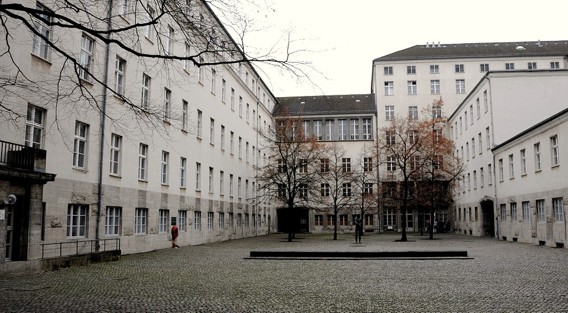
Over the years, I visited Berlin many times. Once, I even stayed in what had once been East Berlin, long after the Wall had disappeared. Yet the city still carried memories that no bulldozer could erase. Every street seemed to whisper history. Years ago, I wrote a blog titled Those Faces of Berlin (https://esgeemusings.com/2013/04/01/those-faces-of-berlin/ ) , reflecting on that remarkable city and, among other things, the failed attempt by Claus von Stauffenberg and his fellow conspirators to assassinate Hitler with a bomb hidden in a briefcase on 20th July 1944.
Operation Valkyrie failed. Hitler survived. Many of those who dared to resist paid with their lives. Yet what has stayed with me is not merely the failure of the plot but the courage behind it. Sometimes history remembers victories. Sometimes it remembers those who knew they would probably lose, yet chose to act because conscience demanded nothing less.
Bendlerblock, Berlin – Where the conspirators were executed
Exactly twenty-five years later, on another 20th July, humanity wrote a very different chapter.
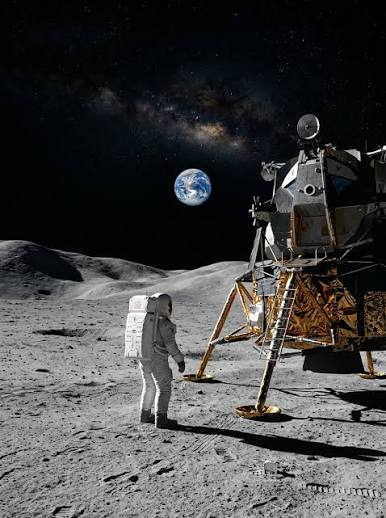
I was a small boy then. I still remember my father listening intently to the live broadcast of the Apollo 11 Moon landing on the Voice of America. Later that day, we went to the United States Information Service near Mandi House in New Delhi to see the full-size replica of the Lunar Module. Like countless others of my generation, I stared at it in wonder. For days afterwards, our classroom conversations revolved around rockets, astronauts and a future that suddenly seemed limitless. Even 2001: A Space Odyssey, set what then felt like the distant future, no longer appeared to be science fiction.
Decades later, I travelled to that Mecca of Space travel, NASA’s Kennedy Space Center at Cape Canaveral. For me the trip was a pilgrimage in more sense than one. As I roamed between the life size models of the Saturn V rocket, the command and the lunar modules of the Apollo program, my mind once again went back to the 20th July of more than half a century back. I also came to know of the Artemis program tasked to once again send Man to the Moon. I wrote a blog on that visit : https://esgeemusings.com/2022/05/19/the-children-of-zeus/
Apollo 11 Lunar Module on the moon
It strikes me that these two events, separated by a quarter of a century yet sharing the same date, reveal the astonishing range of the human spirit.
On one 20th July, people risked everything to rid the world of tyranny. On another, human beings stepped onto another world altogether.
One date reminds us of humanity’s darkest impulses. The other celebrates its brightest possibilities.
Perhaps that is why every year, when 20th July arrives, I think not only of history but also of choice. We are capable of building dictatorships, and we are capable of building spacecraft. We can choose fear, or we can choose courage. We can remain trapped by our past, or we can reach for horizons that once seemed impossible. History does not merely tell us who we were. It quietly asks us who we wish to become.
What does 20th July evoke for you—a lesson from history, or a reminder of humanity’s endless capacity to dream?
Four futures. Four hard truths. And the fragile choices that still make us human.
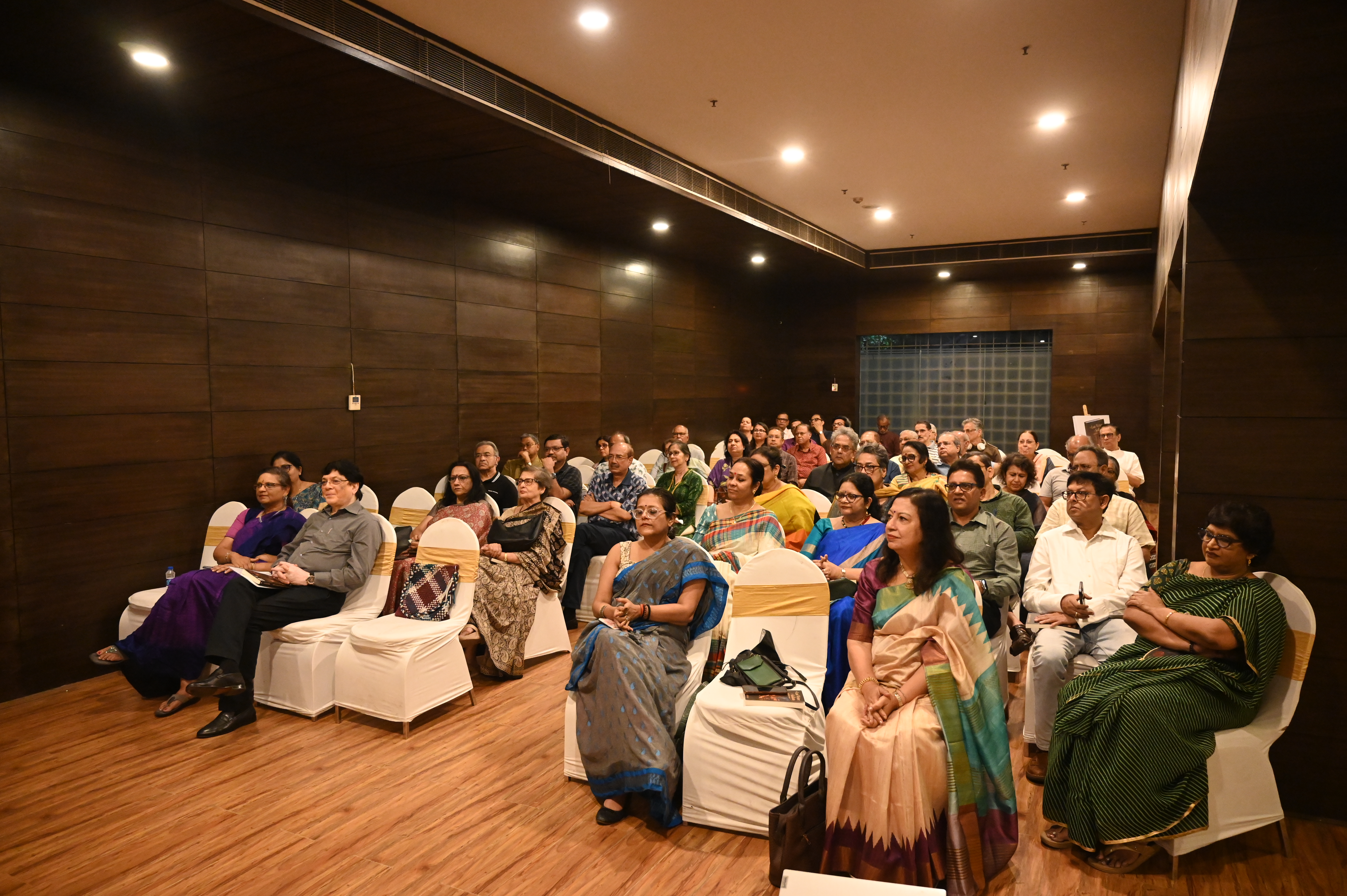
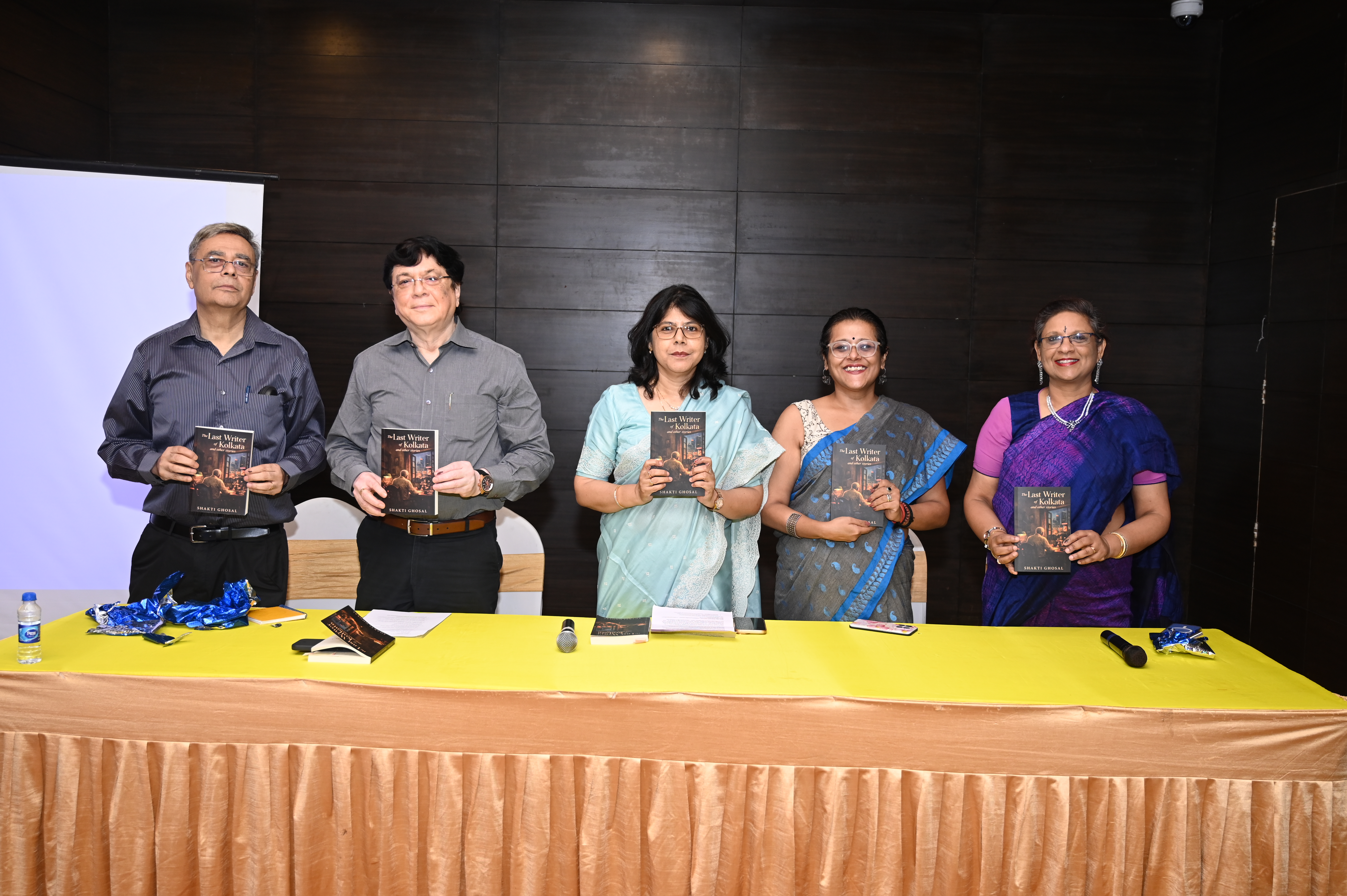
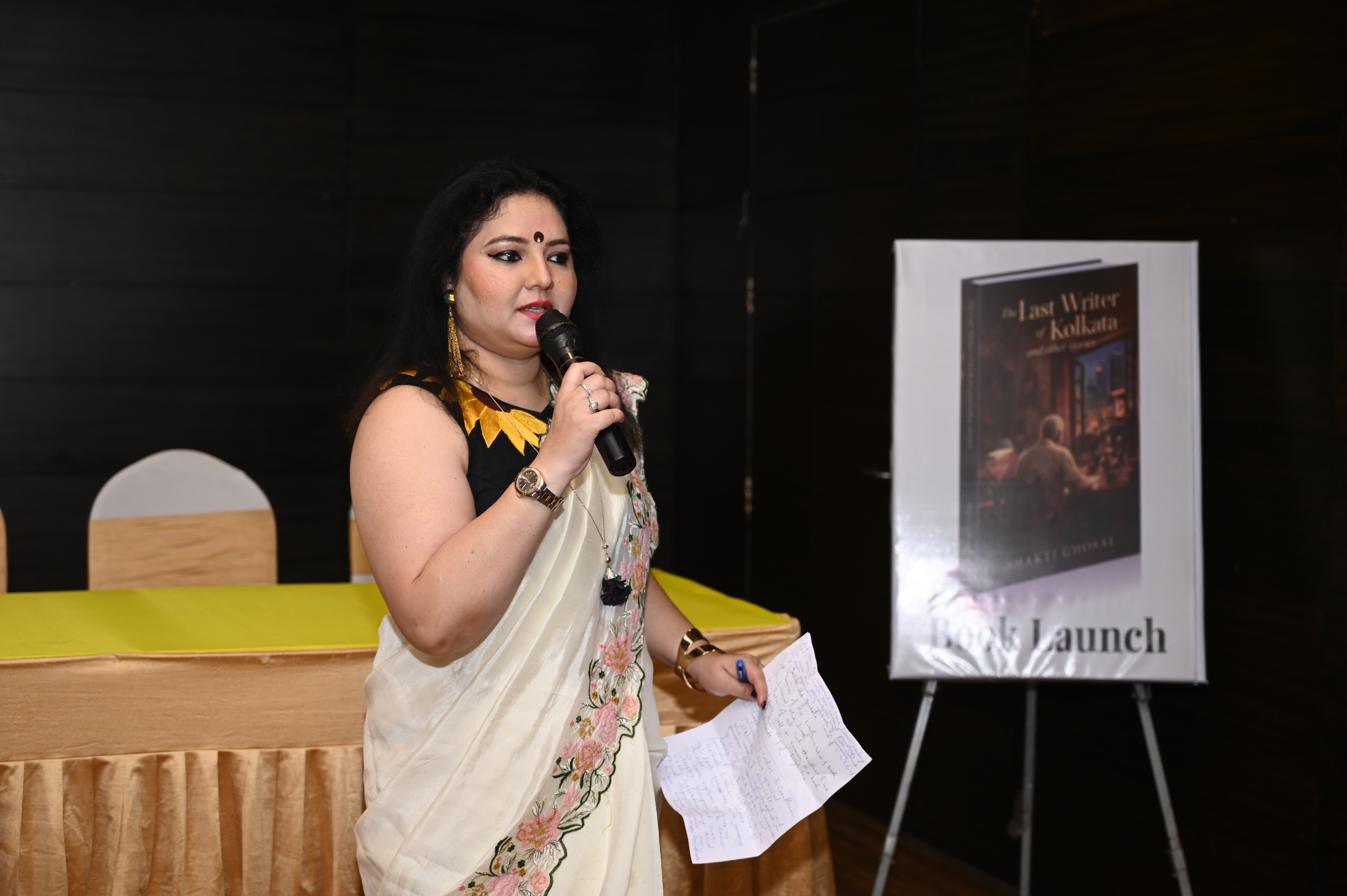
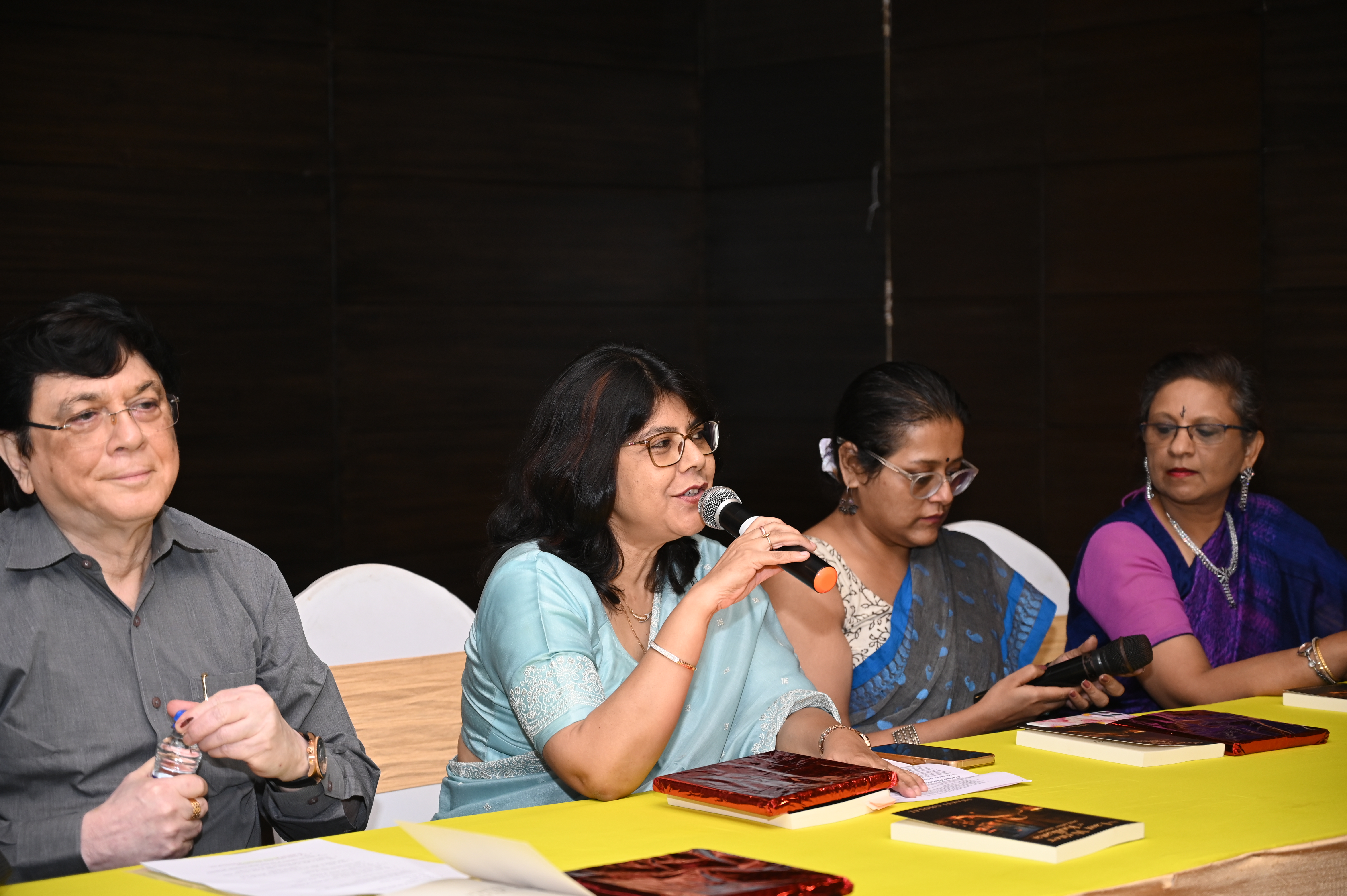
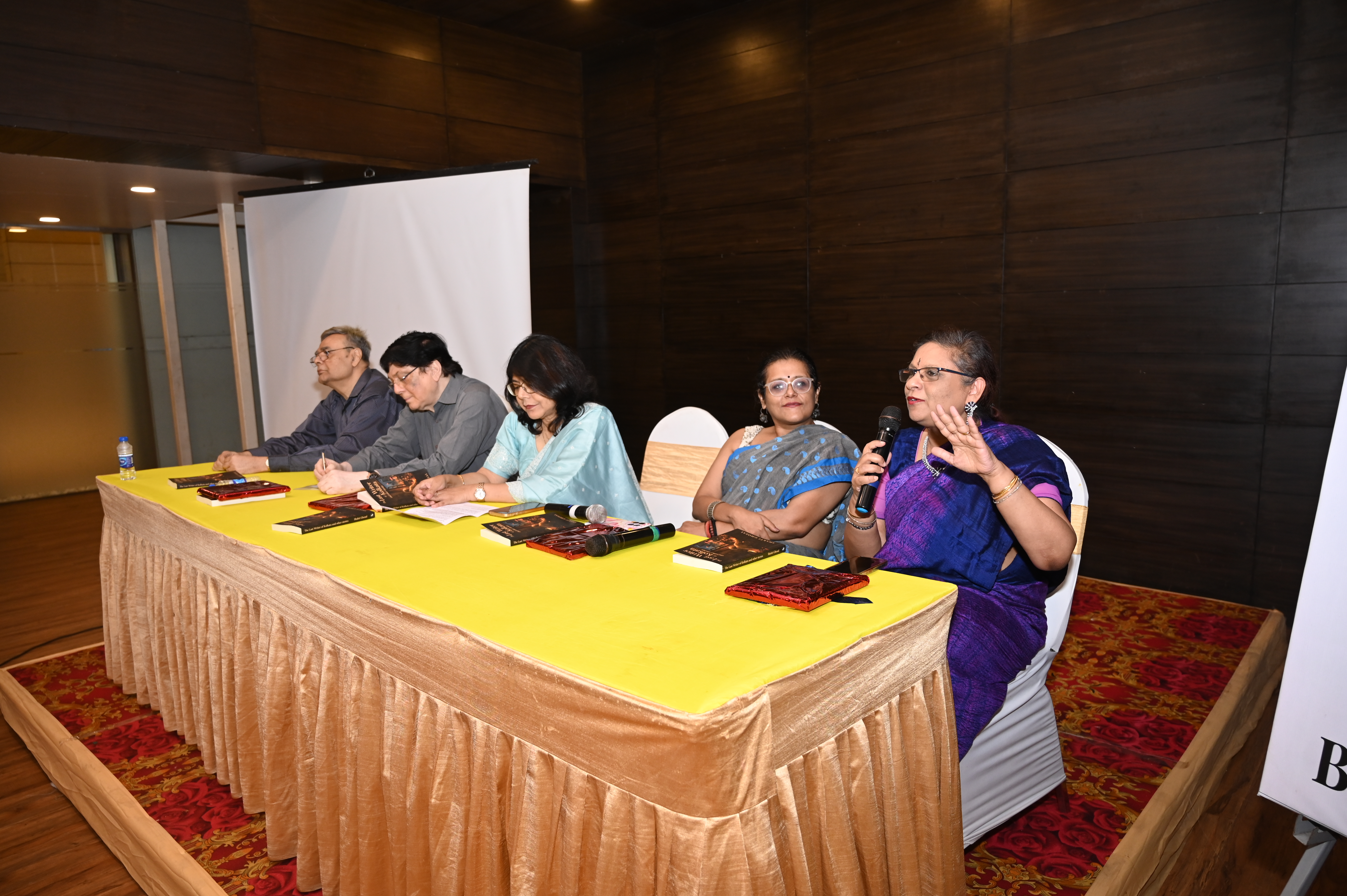
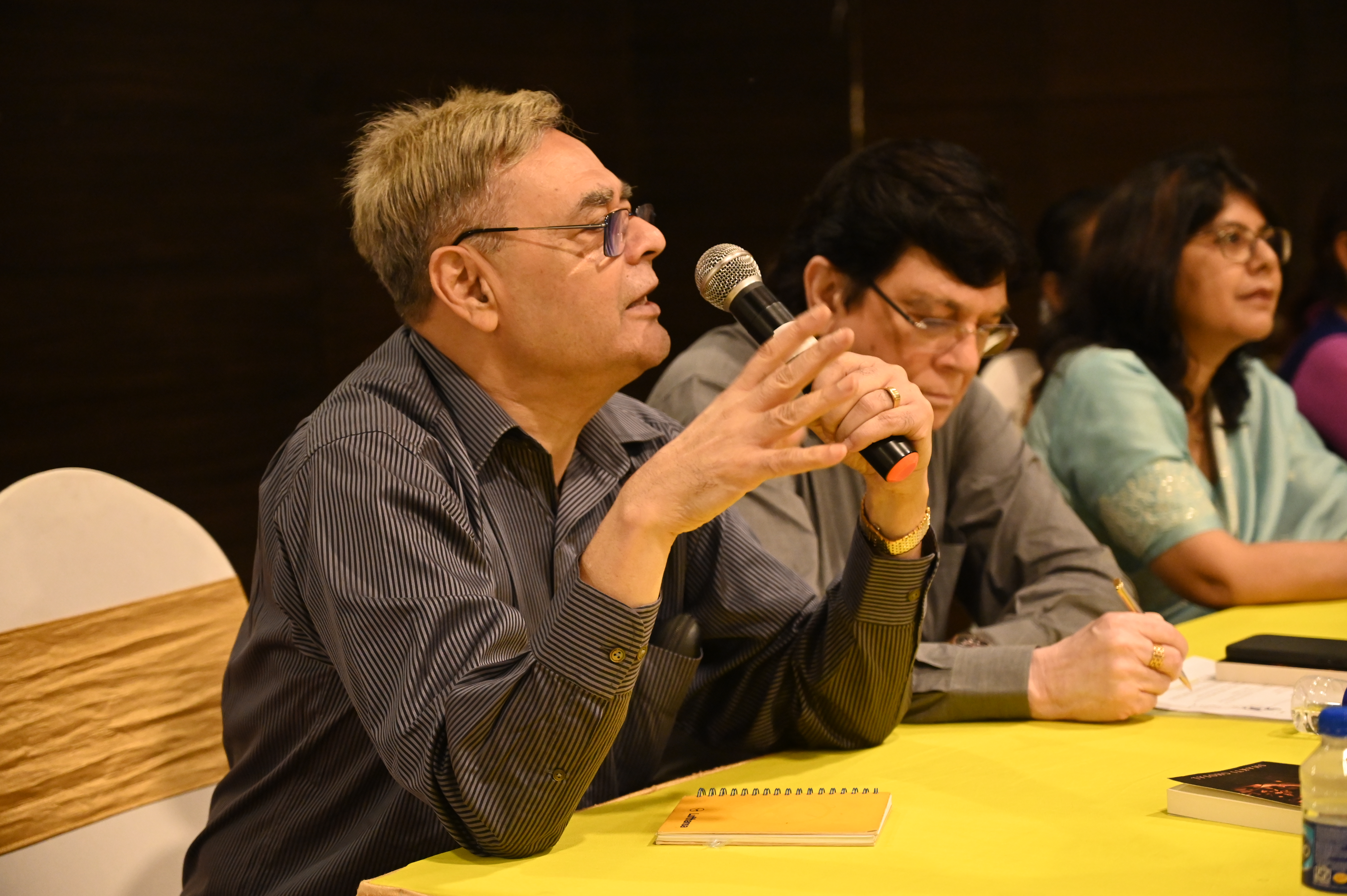
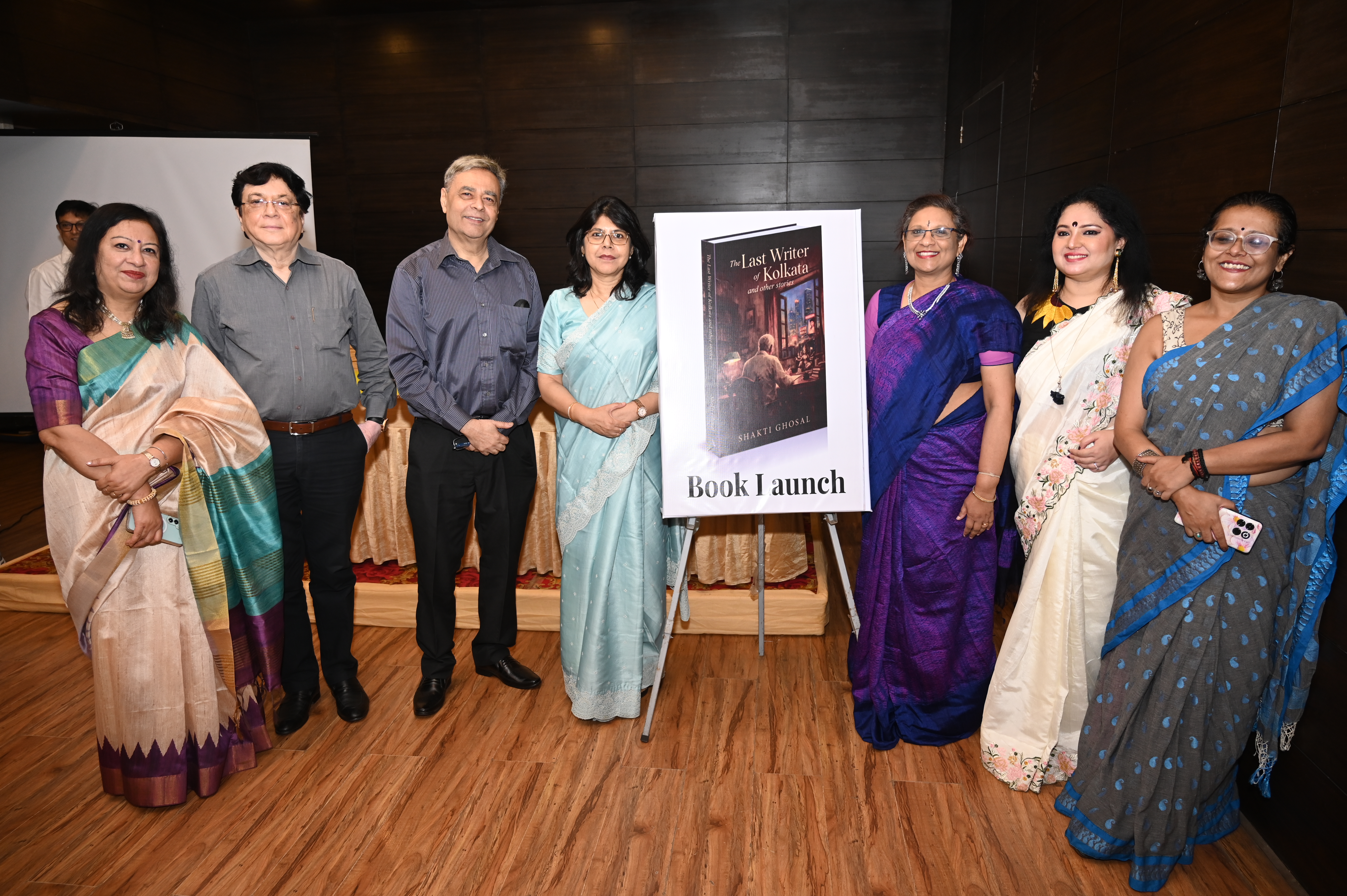
A few Saturdays back, at South City Club Kolkata, The Last Writer of Kolkata and Other Stories began its journey into the world — not merely as a book launch, but as a conversation about the times we are already living through.
What made the evening truly special was the richness of the panel discussion moderated so thoughtfully by Dr. Vishnupriya Sengupta, alongside the deeply perceptive insights shared by Sanjib Chaudhuri, Poorna Banerjee, and Chitralekha Datta. Shawan Sarkar anchored the evening with warmth and elegance.
The discussion moved across many landscapes:
A Kolkata where memory itself becomes a commodity.
A Sundarbans struggling against rising tides and ecological collapse.
A future where human thought can be manipulated through neural networks.
An aging society where loneliness, migration, and technology redefine the meaning of home.
Yet beneath all these imagined futures lay one central question: ‘As the world changes around us, what does it mean to remain human?’
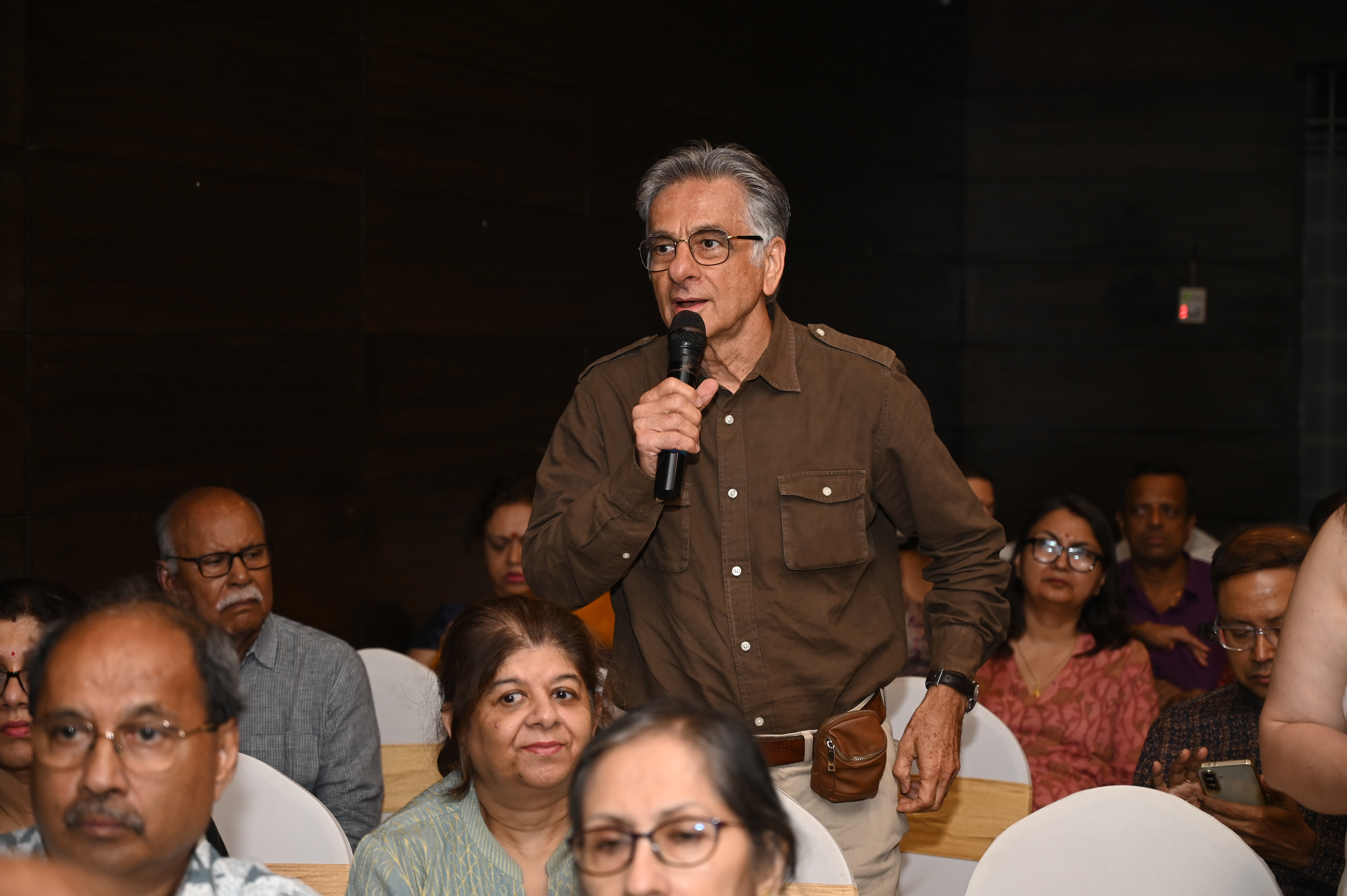
What touched me most was the engagement of the audience — the reflections, questions, disagreements, and personal stories that followed. It reminded me that fiction, at its best, is not an escape from reality, but a mirror held up to the forces quietly reshaping our lives.
My heartfelt gratitude to everyone who attended, participated, encouraged, photographed, listened, questioned, and stayed back afterwards for conversations over tea.
Books may begin in solitude. But they truly come alive in dialogue.
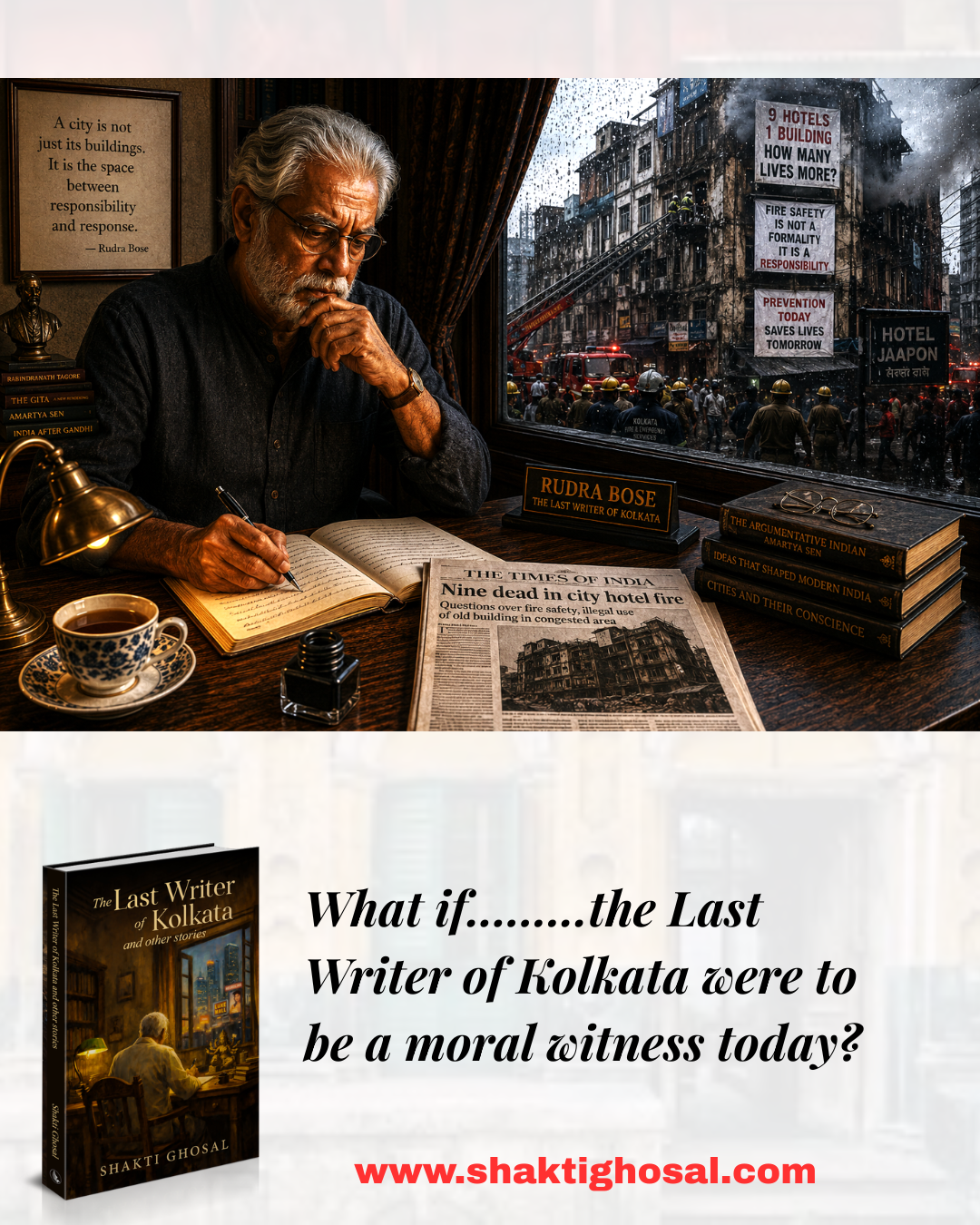
If the above themes intrigue you, I invite you to explore more about the book and the stories at: www.shaktighosal.com