More than a decade after my coaching certification, certain ideas still return to me with surprising clarity. One of them is deceptively simple:
The difference between reacting and responding.
Most leaders intellectually understand this distinction. Few recognise how profoundly it shapes their daily impact.
I was reminded of this during a coaching conversation with a senior executive — let me call him Raghav. Raghav was known for his brilliance and intensity. Quick thinker. Decisive. Deeply committed. But his team described him using another word, offered cautiously and repeatedly: “Intimidating.”
When he came into coaching, his concern was framed differently. “My team has become strangely silent,” he told me. “Meetings lack energy. No one challenges anything. It’s frustrating.”
Frustration, I have learned, is often an interesting doorway.
“What usually happens when someone disagrees with you?” I asked. He looked puzzled. “Nothing unusual. We discuss.”
But leaders rarely observe their own behavioural patterns with accuracy. Our reactions are invisible to us precisely because they are so familiar. So, I asked him to walk me through a recent meeting.
He described a discussion where a junior manager questioned a proposal. As he narrated the incident, something subtle appeared — not in his words, but in his tone. “I explained why the idea wouldn’t work,” he said.
Then after a pause: “Perhaps a bit sharply.” “What do you think the manager experienced in that moment?” I asked. He shrugged. “Direct feedback.” “And if we asked them?” Silence.
The human mind is wonderfully efficient at justifying its own reactions.
**
In coaching, reactions are rarely the real story. Triggers are.
“What specifically triggered your response?” I asked. “The suggestion didn’t make sense.” “Was it the quality of the idea,” I continued, “or the fact that it challenged yours?”
That question lingered longer. Eventually he smiled — the kind that signals reluctant insight. “I don’t like being questioned in areas I know well.”
There it was. A deeply human pattern. Trigger → irritation → sharp dismissal.
Repeated often enough, reactions harden into leadership style. Unexamined long enough, they reshape culture.
We explored a small experiment. “Next time you feel that familiar irritation,” I said, “don’t change your opinion. Don’t soften your standards. Simply pause.”
“Pause?”
“Four seconds,” I suggested. “One breath. No words.” He laughed. “That sounds trivial.” “It is trivial,” I agreed. “And extremely difficult.”
Because reactions are automated. Responses are chosen.
**
Several weeks later, Raghav returned with an observation that genuinely surprised him. “The meetings feel different,” he said.
“What changed?”
“I haven’t changed my decisions,” he clarified. “But I’ve started noticing the moment before I speak.”
“And?”
“The irritation is still there,” he admitted. “But the pause stops me from firing.” That single gap — barely a few seconds — had altered the emotional climate of his interactions.
People spoke more. Defensiveness reduced. Energy returned. Nothing structural had changed. Only awareness.
**
Reacting is effortless because it is borrowed from the past — old patterns, old triggers, old conditioning.
A decade after my executive coaching certification, one idea continues to stay with me: Accountability is rarely about others. It is about the promises we make to ourselves.
Not the corporate version of deadlines, dashboards, and reviews. Something quieter. More personal.
A simple question: Who holds us accountable for the things that truly matter?
The uncomfortable answer: we do.
**
Some time ago, a senior leader — let’s call him Arvind — walked into my office. Highly capable. Well respected. Clearly exhausted.
“I’m working harder than ever,” he said, “but everything feels stuck.”
Experience has taught me that “everything” usually has a centre of gravity.
“What feels most stuck?” I asked.
“My restructuring initiative,” he replied. “Everyone agrees it’s necessary. But it’s just not happening.”
“What’s stopping it?”
“The usual,” he sighed. Quarterly pressures. Reviews. Endless fires. Bad timing.
Logical. Reasonable. Entirely human.
But then I asked him three questions:
“If the Chairman had mandated this with a deadline — would it still be pending?” “Of course not.”
“If your compensation depended on it?” “Would have been done already.”
“If your team’s survival required it?” “ Then, I would have done it yesterday.”
And there it was. The barrier wasn’t capability, clarity, or even time. It was consequence. Nothing happened if he delayed. No penalty. No discomfort. No urgency.
**
“Whose goal is this restructuring?” I asked.
“Mine.”
“Imposed?”
“No.”
“Do you believe in it?”
“Completely.”
“Then what agreement have you made with yourself about it?”
Silence. Then a smile of recognition. “None.”
**
Many of us confuse intention with commitment.
We say:
• I should do this • I need to get to that • I’ve been meaning to…
But progress rarely responds to “should.”
“What if,” I suggested, “you treated this not as a project — but as a promise?” Something you either honour or break. Not endlessly postpone.
**
“What’s the next visible action?” I asked.
“Announcing it to my leadership team.”
“When?”
“…Friday.”
“And how would you like me to support your accountability?” That question matters. Accountability imposed feels like control. Accountability invited becomes partnership.
“Ask me next week,” he said. “And challenge me if I haven’t done it.”
**
The following Tuesday he returned, noticeably lighter. “It’s done.”
“What changed?”
“I stopped treating it as something I should do,” he said, “and started treating it as something I had said I would do.”
A small shift. A profound one.
**
The most important commitments in our lives rarely come with external enforcement. No one penalises postponed courage. No dashboard tracks delayed growth. And yet, these commitments shape everything.
Accountability is not a management technique. It is a quiet act of integrity —an agreement between who we are today and who we intend to become.
**
Curious to hear your thoughts: 👉 Where have you seen self-accountability make the biggest difference in leadership or life?
“I don’t understand why I have to deal with him,” Arjun snapped, pacing the room. “He’s impossible. Defensive. Disrespectful. Always pushing back.”
Across the table, Kavya watched quietly. “You seem tired,” she said.
“Tired? I’m exhausted. I try to be fair. Professional. But with people like him, you have to be firm.”
“People like him?” she asked gently.
“You know exactly what I mean.”
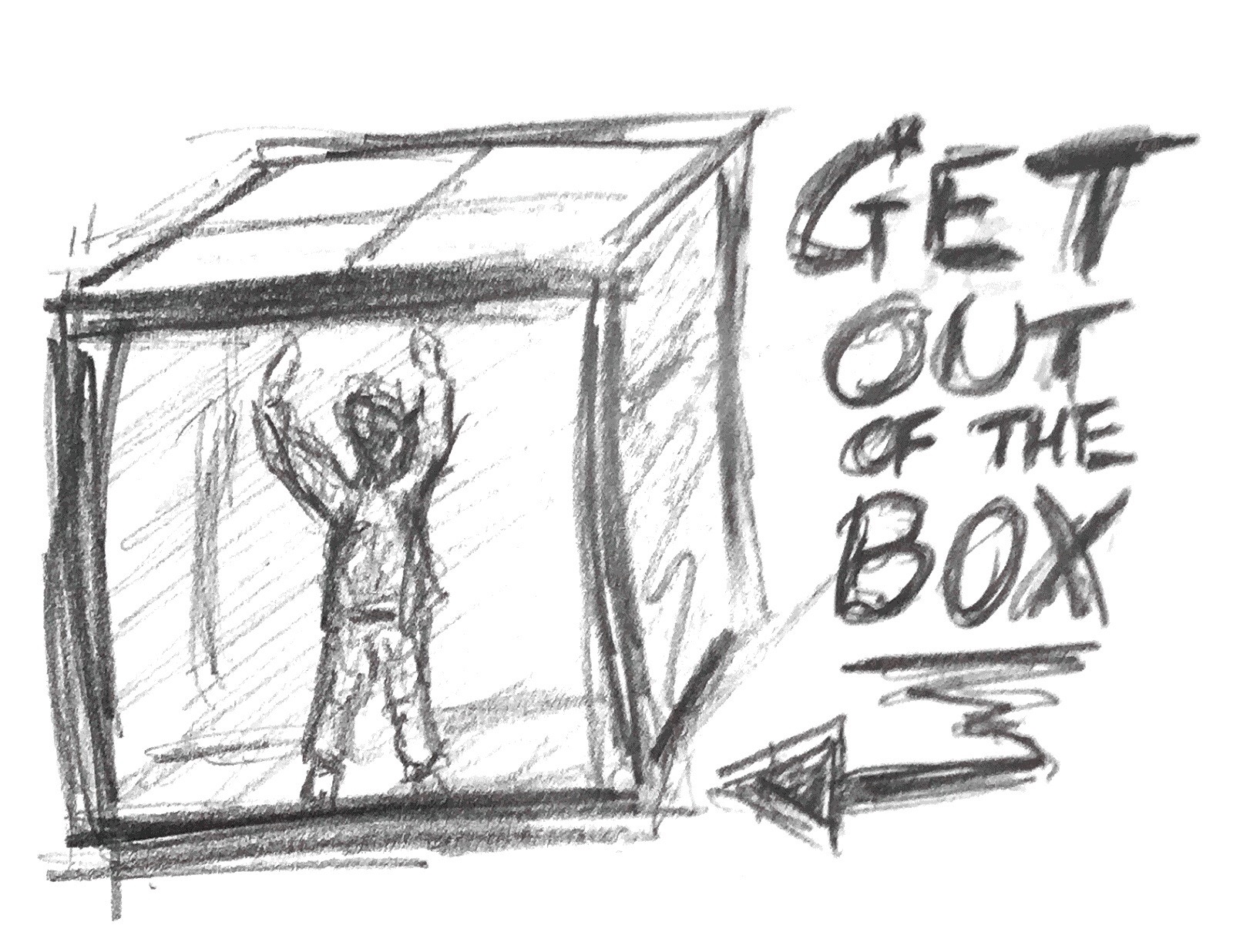
“Maybe,” she said. “Or maybe you’re in the box.”
Arjun stopped pacing. “In the what?”
“The box,” she repeated. “It’s what happens when someone stops being a person and becomes a problem.”
He frowned. “He is a problem.”
Kavya didn’t argue. “Tell me about your last conversation with him.”
“I was clear. Direct. I told him his work wasn’t up to standard. He got defensive immediately.”
“How was your tone?”
“Professional.”
“How did you feel?”
Arjun hesitated. “…Annoyed. Honestly, I was already fed up before the meeting even began.”
Kavya nodded. “That’s the box.”
He looked at her, irritated now. “So this is my fault?”
“No,” she said softly. “That’s the tricky part. When we’re in the box, we’re not trying to be wrong. We feel justified. Righteous, even. But we stop seeing the other person’s humanity.”
“He still behaved badly.”
“Maybe. But inside the box, something subtle changes in us. Our voice hardens. Curiosity disappears. We listen to reply, not to understand. The other person feels it — even if we say all the ‘right’ words.”
Arjun looked away.
“And then,” she continued, “they react to our coldness. They defend. They resist. They shut down. And we walk away saying, See? I knew he was difficult.”
The room fell silent.
“So it’s a loop,” Arjun said quietly.
“Yes. A self-fulfilling one.”
He sank into a chair. “I didn’t even consider what he might be dealing with. I just saw poor performance.”
“That’s the box,” Kavya said again. “He became an obstacle to your goals. Not a person with pressures, fears, or a story you don’t know.”
Arjun’s voice was softer now. “So getting out means… what? Being nice?”
“No. It means seeing clearly. You can still disagree. Still hold standards. But you do it while remembering — this is a human being, not a hurdle in my way.”
He exhaled slowly. “And if he’s in the box about me too?”
She smiled faintly. “Then someone has to step out first.”
Arjun sat with that. The anger that had filled the room felt smaller now — replaced by something heavier, but cleaner.
“Maybe,” he said at last, “I’ve been fighting a problem… instead of talking to a person.”
Kavya nodded. “That realization is the door out.”
In musing……. Shakti Ghosal
**
Acknowledgement: ‘Leadership & Self Deception: Getting out of the box’ – The Arbinger Institute
“Did you read that piece I sent?” Arjun asked. Sameer frowned. “Who wrote it?”
“Why?” “Because that tells me everything.”
“So the argument doesn’t matter?” “Oh! it does matter,” Sameer said. “All folks who offer opinions always have an agenda.”
Arjun watched him quietly. “So we don’t examine the idea… we examine the person?”
Sameer shrugged. “Background. Bias. That’s how you know.”
Case closed.No thinking required. We like to believe we are rational. But most of the time, we are defenders, not thinkers.
Once a belief settles into the mind, it doesn’t stay a belief for long. It quietly becomes identity. And the moment that happens, any opposing idea stops feeling like information. It feels like an attack. Not on the argument. On us.
“Just look at the data,” Arjun said. “I already know the truth,” Sameer replied.That was the shift.His mind had stopped being a judge.It had become a lawyer. *Not asking, “What is true?”But, “How do I prove I’m right?”*
So the evidence hunt began: “I’ve read studies that agree with me.” “Experts support this.” “Your source must be flawed.”
And when facts refuse to cooperate? The mind does what skilled lawyers do. It bends them. Reframes them. Twists them — until they fit the story already believed.
“But you didn’t even consider it,” Arjun said. “I don’t need to,” Sameer replied. “I know the type.” That’s the final defense. If you can’t defeat the idea, discredit the person. “Who said it?” “What’s their background?” “What bias can we label them with?” Once a label is found, the argument is declared invalid. Comfort restored. Identity protected. This isn’t intelligence at work. This is ego guarding identity.
Psychology calls it confirmation bias — the tendency to search for evidence that supports what we already believe and dismiss what doesn’t. But deeper than that, it’s belief defense. The mind protecting its mental world from discomfort. Because being wrong doesn’t just feel incorrect. It feels like losing a piece of who we are.
Arjun said softly, “You know when real thinking starts?” Sameer looked at him. “When something challenges you… and you still choose to look.” A long pause. “That uncomfortable feeling?” Arjun added. “That’s the doorway most of us shut.”
Because growth never comes from defending what we already know. It comes from risking being wrong.
And in that small, silent moment —when we stop arguing and start examining — the mind takes off its lawyer’s coat…and remembers how to be a judge.
So we compress people into labels—rude, careless, incompetent.
And we expand ourselves into explanations—pressure, timing, constraints, intent.
This is the Perspective & Motivation Attribution Model.
From the outside, a person looks like a trait.
From the inside, a person feels like a situation.
Their one act becomes their identity.
Our one act becomes an exception.
Their failure becomes “who they are.”
Our failure becomes “what happened to us.”
And here’s the uncomfortable truth:
our reasoning is often not a search for what is true—
it is a search for what is forgivable.
The mind is not just a storyteller.
It is also a lawyer.
Wisdom begins when we offer others the same context, we demand for ourselves—
and hold ourselves to the same standards we casually apply to others.
So, what could be the road map forward?
Awareness is the start of moving forward. We start by noticing Perspective & Motivation in folks around us- through their articulations and behaviour. We then turn the searchlight onto our own selves. And we become observers of our own Perspective & Motivation afflictions…….
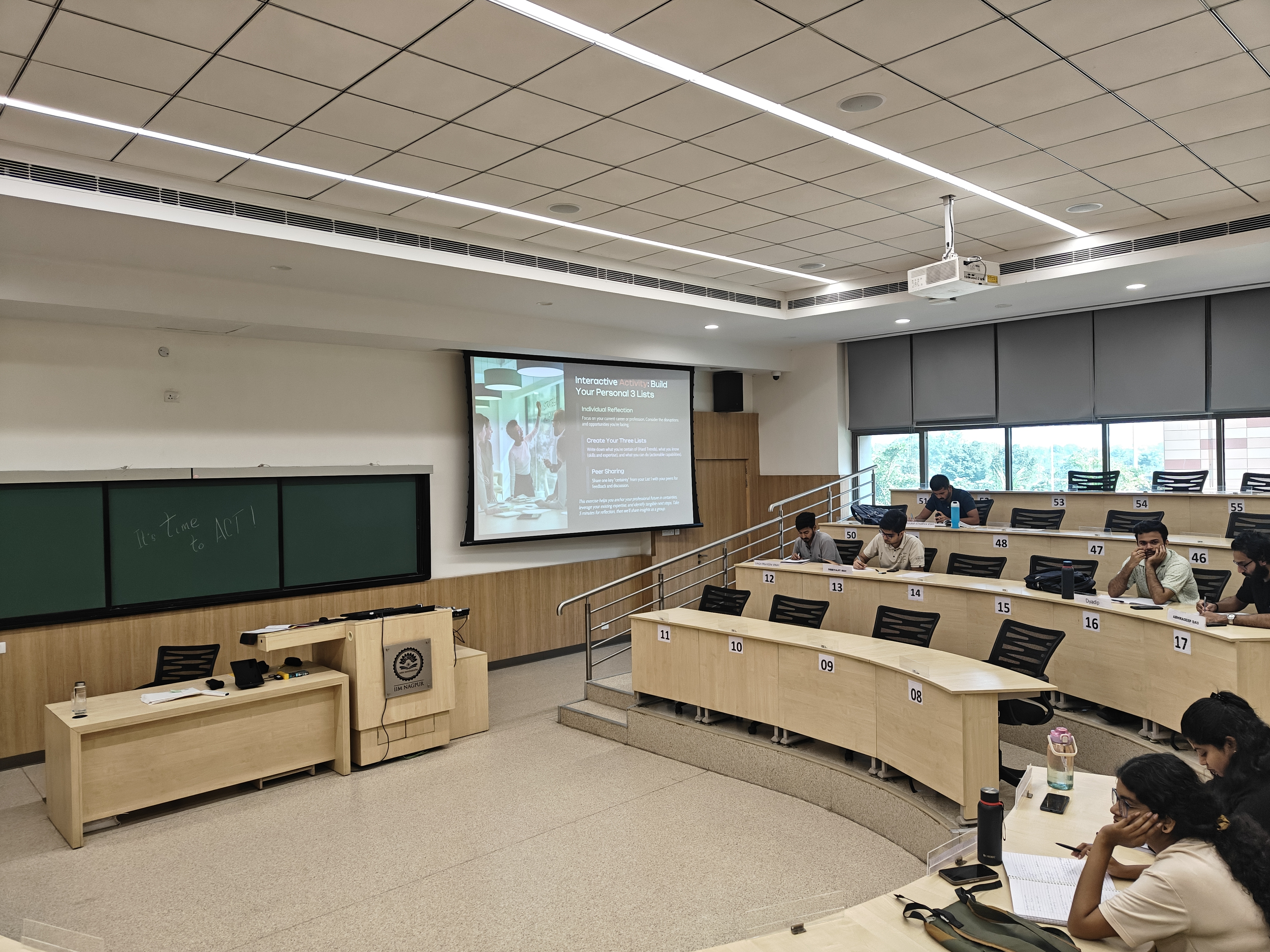
It was midway through my elective course “Winning in a Disruptive World” at IIM Nagpur last month when a student raised a question that momentarily silenced the class.
“Professor,” he began, “Elon Musk and Tesla seem to have anticipated the future before anyone else — electric vehicles, reusable rockets, large-scale battery storage. How does someone think so far ahead and act with that kind of conviction when others are still debating the probability of success?”
It was an incisive question — and one that went to the heart of what our course was about: how to win, not just survive, in a world defined by disruption.
The Disruptive Context
Disruption today is not an occasional storm; it’s the climate we live in. The rules of business are rewritten faster than most organizations — or individuals — can adapt.
In the course, we explored how the world has shifted from the VUCA paradigm — Volatile, Uncertain, Complex, Ambiguous — to what futurist Jamais Cascio calls BANI — Brittle, Anxious, Non-linear, and Incomprehensible. In such a world, the question isn’t whether disruption will occur; it’s whether we are ready to anticipate and shape it.
That was precisely what Elon Musk and Tesla managed to do — not by reacting to disruption, but by engineering it.
Tesla and the Power of Future-Back Thinking
When traditional automakers analyzed the electric vehicle (EV) opportunity, they saw it through the lens of probability. Their forecasts said adoption would be slow. Battery costs were high. Charging networks were inadequate. The “safe” conclusion was that the world wasn’t ready.
Tesla took the opposite route. It didn’t ask, What’s probable today? It asked, What’s possible tomorrow?
That question unlocked an entirely different trajectory.
Musk’s strategy exemplifies what I call Anticipatory Future-Back Thinking — a concept we explored in the later sessions of the course. It involves imagining the desired future state first — in this case, a world where sustainable energy mobility is the norm — and then working backward to identify what must be true today to make that future real.
Rather than extrapolating from today’s constraints, Tesla worked backward from a bold vision of tomorrow. That shift — from present-forward to future-back — is what differentiates disruptors from the disrupted.
Exploring Anticipatory future back thinking
Possibility vs. Probability: The Mindset Divide
When I turned back to my student’s question, I began with a simple observation.
“Most organizations,” I said, “plan from the present forward. They look at past data, run probability models, and make incremental improvements. That’s the Kodak way of thinking — safe, predictable, and ultimately self-limiting.”
In contrast, possibility thinkers — like Tesla — start from a future that doesn’t yet exist. They ask, What could be true if we dared to imagine differently?
Daniel Burrus, the futurist who first articulated the concept of Hard Trends, reminds us that the future is not entirely uncertain. Some aspects — technological evolution, demographic shifts, regulatory movements — are future facts. These are the certainties around which possibility thinking can safely operate.
Tesla built its strategy precisely on such hard trends:
The inevitability of climate change driving clean energy adoption
The advancement of battery technology and digital control systems
The regulatory momentum toward lower emissions
These were not probabilities; they were certainties in motion. Musk simply connected them into a coherent future vision — and then acted as if that future were already here.
From Disruption to Design
This is the essence of anticipatory leadership — not reacting to disruption, but designing it.
In my sessions, we discussed how the future-back approach allows leaders to create clarity where uncertainty dominates. It flips the conventional question from “What will happen to us?” to “What must we make happen?”
The difference is profound.
Present-forward leaders forecast the future.
Future-back leaders architect it.
McKinsey’s research on future-back strategy underscores that such leaders don’t rely on forecasts alone. They use scenario design to imagine multiple plausible futures and then work backward to identify strategic moves that remain resilient across them.
That’s what Tesla did: invest early in charging infrastructure, build direct-to-consumer distribution, and create software-driven vehicles that improve over time. Each move was part of a deliberate future architecture.
The Classroom Reflection
I recall telling my students that day: “Elon Musk is not successful because he predicts the future; he’s successful because he constructs it backwards.*”
In the classroom, this insight tied together much of what we had explored:
Hard Trends (what is certain) form the foundation.
The Three Lists (what I’m certain of, what I know, what I can do) create clarity.
Resilience sustains momentum when the future resists you.
Each of these steps builds toward the mindset of a possibility architect — someone who doesn’t wait for disruption, but wields it as a tool.
As the discussion deepened, another student remarked, “So Tesla wasn’t just lucky — it was structurally anticipatory.”
Exactly.
The Classroom reflection
Why This Matters Beyond Tesla
Every industry today — from energy and aviation to education and healthcare — faces its own “Tesla moment.”
In the energy sector, companies that waited for the probability of renewables to rise are now scrambling to catch up with those who invested early in solar and storage. In education, universities that anticipated the AI wave and reimagined learning around it are moving ahead, while others debate policies. Even in government policy, we see anticipatory thinking at work in projects like UPI and ONDC, where India intentionally designed positive disruption instead of waiting to be disrupted.
The principle is the same: the future belongs to those who can see differently, envision differently, and execute differently.
A Call to Future Architects
At the end of that class, I offered the students a reflection that I’ll share here too.
Winning in a disruptive world doesn’t mean outpacing change — it means aligning yourself with the inevitabilities of tomorrow and daring to act before others see them as obvious.
Elon Musk’s brilliance lies not in foresight alone, but in the courage to build on the certainties he could already see — however faintly — and to commit resources to them before anyone else believed.
For leaders and managers today, the lesson is clear: Don’t ask, What’s probable? Ask, What’s possible — and what must I do today to make it inevitable?
Closing Reflection
As we wrapped up the session that day, I noticed a quiet shift in the room. The students weren’t merely intrigued by Tesla anymore — they were reflecting on their own “future-back” opportunities.
That, to me, was the real win.
Because when young leaders begin to think like architects of the future rather than survivors of disruption, they start embodying the very mindset our world now demands — one that balances imagination with foresight, vision with action, and optimism with resilience.
And perhaps, in some classroom somewhere, the next Tesla is already being imagined.
This article explores the social behavior commonly referred to as “Puppy Dog Wag Tail Syndrome”—where older individuals attempt to gain acceptance from younger social groups through excessive compliance, self-effacement, or mimicry, wagging one’s tail so to say! While this behavior stems from a natural human desire for belonging, it often compromises one’s authenticity and self-respect. Drawing from research in social psychology, this piece delves into the emotional drivers behind such behavior and advocates for embracing authenticity across generational lines.
Have you ever witnessed an elderly individual awkwardly trying to “blend in” with a younger group? Perhaps they crack out-of-place jokes, adopt unfamiliar slang, or seem constantly eager to please — laughing too hard, offering unsolicited help, or nervously seeking approval. This performative effort to fit in, often at the cost of dignity and self-awareness, is what might be called Puppy Dog Syndrome. Much like an over-eager pet desperate for affection, the individual’s behavior becomes centered around pleasing others, often sacrificing self-expression and confidence in the process.
While it may appear superficial on the surface, this behavior is rooted in something deeply human: the need to belong. Social psychologists Roy Baumeister and Mark Leary (1995) identified belongingness as a fundamental human motivation. Regardless of age, people crave connection, approval, and inclusion. Yet, when belonging feels uncertain — especially in cross-generational settings where values, cultural references, and energy levels diverge — the fear of exclusion can drive compensatory behaviors.
Older individuals, particularly in youth-dominated spaces like workplaces, social media platforms, or casual gatherings, may feel a loss of relevance or influence. In such settings, some try to gain favor by imitating youth or subordinating themselves — often unconsciously — in exchange for social acceptance. But the cost of such behavior can be significant. Carl Rogers, the humanistic psychologist, referred to this pattern as living according to “conditions of worth” — behaving in ways that earn external validation rather than expressing one’s true self.
This misalignment can take a psychological toll. A 2006 study by Kernis and Goldman found that chronic inauthenticity is associated with lower self-esteem, increased anxiety, and reduced life satisfaction. It’s a hollow kind of belonging that demands constant performance, rather than one built on mutual respect and individuality.
What’s most tragic about Puppy Dog Syndrome is that it often masks the rich experience, insight, and stability that older individuals have to offer. Rather than chasing youth, they might be better served — and more appreciated — by showing up as their authentic selves, offering perspective rather than parody.
Intergenerational engagement works best not through mimicry but through mutual curiosity and honesty. Younger generations often value authenticity more than they let on. There’s strength in standing tall in one’s own identity, wisdom in speaking with one’s own voice, and grace in not needing to follow the crowd.
In a world obsessed with fitting in, perhaps the most radical act is simply being yourself — fully, unapologetically, and without the need for approval.
References
Baumeister, R. F., & Leary, M. R. (1995). The need to belong: Desire for interpersonal attachments as a fundamental human motivation. Psychological Bulletin, 117(3), 497–529.
Kernis, M. H., & Goldman, B. M. (2006). A multicomponent conceptualization of authenticity: Theory and research. Advances in Experimental Social Psychology, 38, 283–357.
Rogers, C. R. (1959). A theory of therapy, personality and interpersonal relationships as developed in the client-centered framework. In S. Koch (Ed.), Psychology: A Study of a Science, Vol. 3. McGraw-Hill.
In today’s dynamic and disruptive world, where change is the only constant, the ability to listen deeply and effectively—what we call ‘Power Listening’—has become an essential leadership and personal development skill. To many of us, Listening occurs as a passive process. No one notices when we tune off, we also retain the luxury of judging what we are hearing. This is also why Listening is a complex and demanding skill that needs conscious effort and self-awareness. I have always found it difficult to listen to what is being said with no intention, no judgment, no right or wrong.
In a landscape characterized by rapid technological advancements, shifting economic paradigms, and evolving workplace dynamics, power listening enables leaders, professionals, and individuals to navigate complexities with greater clarity, empathy, and strategic foresight.
According to Zenger and Folkman (2016) in their Harvard Business Review article What Great Listeners Actually Do, great listening goes beyond simply being silent while others speak. It involves active engagement, thoughtful questioning, and creating a safe space for open dialogue. Similarly, in The Power of Listening in Leadership (Forbes, 2021), Kevin Kruse emphasizes that effective listening strengthens leadership presence and fosters trust in professional relationships.
Understanding the Challenges of Listening
Despite its fundamental role in communication, listening is often overshadowed by speaking. Many assume they are good listeners, yet, as I have realized through personal introspection, listening is fraught with unconscious biases, preconceptions, and cognitive distractions. Each individual listens for different reasons and in unique ways, influenced by past experiences, emotions, and personal filters.
Reflecting on my own listening tendencies, I recognize that my ability to listen deeply is not always consistent. My engagement in a conversation depends largely on three factors: (1) my genuine interest and curiosity in the subject matter, (2) the perceived relevance and importance of the topic to me, and (3) the significance of the speaker in my personal and professional life. In the absence of these factors, I have observed a decline in my listening quality, often succumbing to perceptual blocks such as impatience, judgment, and the urge to prepare my response rather than truly absorbing the speaker’s message.
The Value of Power Listening
Power listening goes beyond hearing words—it involves deep engagement, empathy, and a conscious effort to understand the speaker’s perspective. I have personally found that when practiced effectively, power listening yields several benefits:
Building Trust and Confidence: A powerful listener enhances the self-worth of others, creating an environment of psychological safety where individuals feel valued and heard.
Enhancing Leadership Effectiveness: Leaders who listen powerfully cultivate stronger relationships, inspire loyalty, and encourage collaboration. Employees and stakeholders gravitate towards those who make them feel understood.
Facilitating Problem-Solving and Innovation: Power listening fosters a collaborative and open atmosphere, enabling teams to engage in meaningful dialogue and address complex challenges effectively.
Encouraging a Growth Mindset: When leaders listen without judgment, they instill confidence in others, encouraging a culture of learning, experimentation, and continuous improvement.
A Plan to Enhance Power Listening Skills
One might ask the question, ‘So what kind of a plan one needs to become a power listener?’ My plan included the following steps:
Develop Self-Awareness: I continuously assessed my natural listening tendencies, acknowledged biases, and consciously worked to overcome them.
Identify Communication Gaps: By reflecting on daily interactions, I could recognize patterns where my listening faltered and I needed to refocus back.
Practice Active Listening: I needed to implement the following techniques in my conversations:
Attentiveness: Focus on the speaker’s words, emotions, and underlying intent.
Empathy: Place myself in the speaker’s position, avoiding premature judgment.
Validation: Reflect back to the speaker meaningful insights to acknowledge and appreciate the speaker’s perspective.
Mental Clarity: Train myself to resist formulating responses while listening.
Patience: Allow space for the speaker to elaborate without interruption.
Encouragement: Reinforce the speaker’s strengths and motivate action.
The Emotional Impact of Being Heard
Listening is not just a transactional activity—it is deeply emotional and relational. When I am truly listened to, I experience a profound sense of connection, self-worth, and trust. The act of being heard or having ‘being gotten’ fulfills an intrinsic human need, fostering intimacy and mutual respect. Philosophers have long argued that being listened to is one of the most powerful affirmations of one’s existence. It provides the confidence to articulate thoughts, process challenges, and move forward with clarity and purpose.
Conclusion
In an era where distractions are rampant and attention spans are shrinking, power listening stands as a critical skill that differentiates effective leaders and impactful professionals. It is a skill that must be cultivated with intentionality, self-reflection, and consistent practice. By refining our listening abilities, we could aspire to become a more empathetic, perceptive, and influential leader—one who not only hears but truly understands and empowers others. In doing so, one would contribute to a more engaged, collaborative, and resilient world.
In Learning…… Shakti Ghosal
References
Zenger, J., & Folkman, J. (2016). What Great Listeners Actually Do. Harvard Business Review. Retrieved from https://hbr.org
Kruse, K. (2021). The Power of Listening in Leadership. Forbes. Retrieved from https://www.forbes.com
“In life, we meet two kinds of people—those who shine like the sun, radiating wisdom and energy, often challenging yet deeply inspiring; and those who, like planets, reflect borrowed light, offering comfort but little growth. Choice remains ours- whether we choose to orbit the suns, or chase reflections.”
Life is a cosmic dance, a vast expanse where we cross paths with many kinds of people. Some shine with their own light—bright, intense, and sometimes difficult to stand too close to. They challenge us, push us beyond our comfort zones, which might make us feel humiliated or insecure. However they do ignite sparks of transformation within us. These are the suns—radiant sources of wisdom, energy, and inspiration.
Then there are those who do not generate their own light but instead reflect the glow of others. Like planets orbiting a star, they offer comfort, familiarity, and predictability. Their borrowed light may bring temporary warmth, but it does not fuel real growth. They move in predefined paths, circling endlessly, never venturing beyond what is known.
The question before us is simple yet profound: whom do we choose to orbit? Do we dare to brave the brilliance of the suns, knowing that their intensity might burn, but also illuminate new possibilities? Or do we settle for the steady, reflected glow of planets, avoiding discomfort but also forsaking true transformation?
The Challenge of the Suns
Suns in our lives come in many forms—mentors who push us to excel, leaders who challenge conventional thinking, friends who demand authenticity, or experiences that shatter complacency. These forces can be unsettling, their intensity requiring us to adapt, to evolve, and sometimes to withstand discomfort.
Yet, it is from these sources that we learn the most. They force us to question our assumptions, face our fears, and tap into strengths we never knew we possessed. They inspire us to expand our horizons, to break free from the gravitational pull of mediocrity, and to blaze our own trails. As Kouzes and Posner (2017) suggest in The Leadership Challenge, transformative leaders create environments where individuals are encouraged to experiment, innovate, and grow beyond their limitations.
The Sun: Steve Jobs and the Apple Revolution
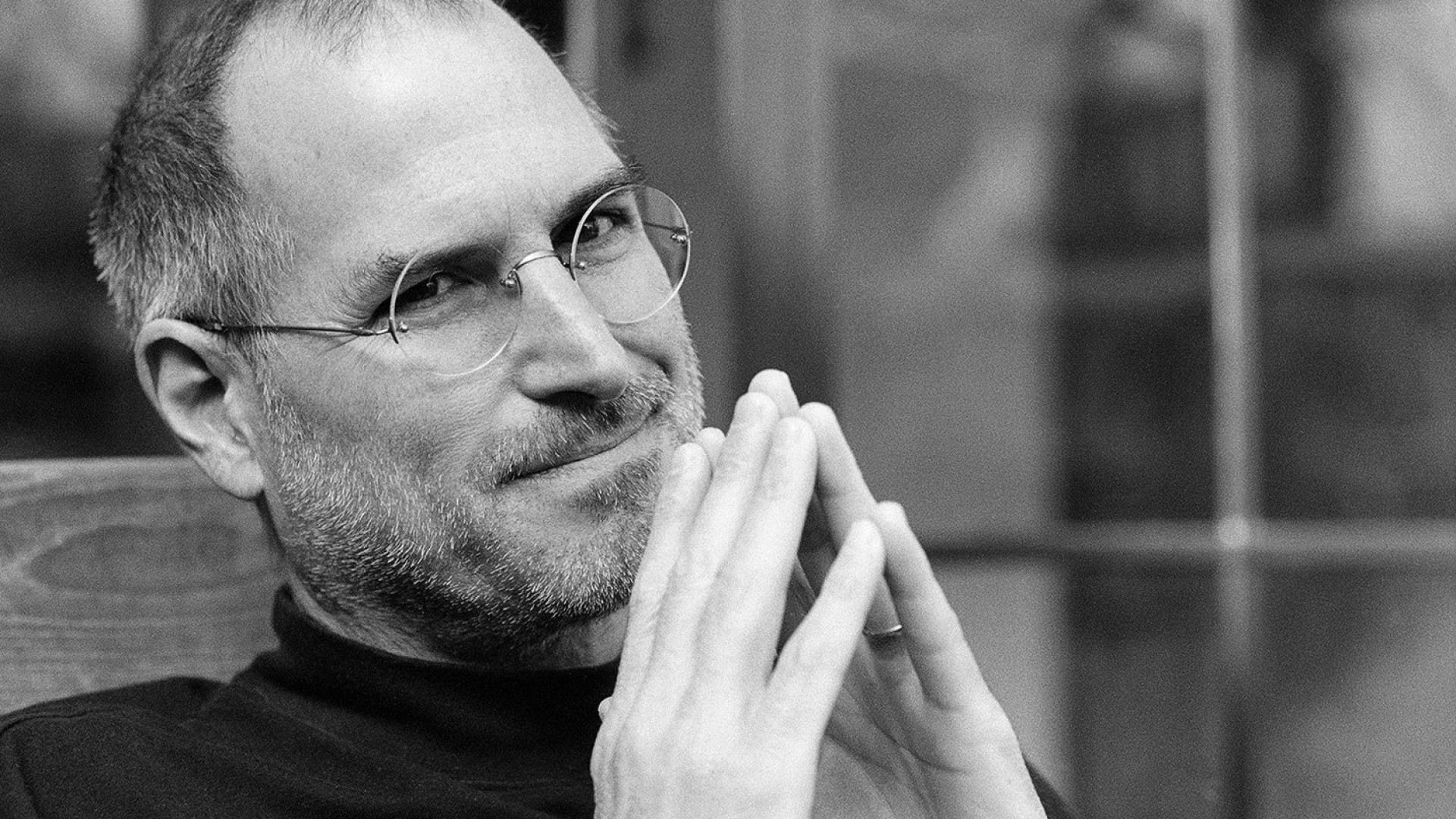
Steve Jobs was a quintessential “sun”—intense, visionary, and sometimes difficult to work with. He challenged the status quo, demanding excellence from those around him. Many who worked closely with Jobs describe the experience as transformative, albeit tough. His relentless pursuit of innovation forced others to think differently, step beyond their comfort zones, and achieve greatness. Those who chose to stay in his orbit were often pushed to their limits but emerged stronger, more creative, and capable of making an impact.
Lesson: Following the light of a “sun” can be difficult, but it leads to extraordinary growth.
The Comfort of the Planets
Planets, on the other hand, offer familiarity. They provide steady companionship, reassuring words, and a sense of belonging. Their presence is not without valuable— at times we do need the comfort of the known, the stability of routine, the ease of like-minded company. However, if we linger too long in their orbit, we stagnate. The pursuit of borrowed light may seem safe, but it rarely leads to personal evolution.
Consider the case of corporate career paths. Many professionals spend decades in the same organization, never venturing beyond predefined career trajectories. They are competent and reliable but do not challenge existing structures. Meanwhile, those who step outside their comfort zones—whether by switching industries, seeking disruptive mentors, or engaging in lifelong learning—often experience exponential growth. Carol Dweck (2006), in her seminal work Mindset: The New Psychology of Success, emphasizes the importance of a growth mindset—embracing challenges, learning from criticism, and persisting in the face of setbacks.
The Planet: The Comfort of Routine in Corporate Careers
Consider an employee who has spent two decades in the same corporate job, doing well but never pushing beyond the familiar. He is competent, reliable, and comfortable in his position. However, his growth is limited—he reflects the expectations of his environment rather than shaping it. While his job provides security, he misses out on opportunities to innovate, learn new skills, or challenge himself.
Lesson: Comfort is not always conducive to progress. Staying in the orbit of planets can lead to stagnation.
Making the Choice
There is no right or wrong answer—only awareness. There are times in life when we need the warmth of planets, moments of rest and reassurance. But growth happens when we dare to reach for the suns. It is in their radiance that we find our own light, forging our path not as mere reflections but as luminous beings in our own right.
The choice is ours. Do we settle for the comfortable glow of borrowed light, or do we embrace the challenge of the suns, knowing that their brilliance will shape us into something greater?
In the grand design of the universe, we are not bound to any orbit. We are free to choose our celestial path. The only question that remains is—where will we set our course?
The Choice: Malala Yousafzai’s Defiance of the Status Quo
Malala Yousafzai, a young Pakistani girl, had a choice—to accept the constraints imposed by her environment (where education for girls was restricted) or to challenge the norms. She chose to orbit the “sun” of enlightenment, education, and progress, even at great personal risk. Today, she is a global advocate for education, inspiring millions.
Lesson: Choosing to orbit the “suns” of wisdom and progress, even in the face of adversity, can lead to transformational impact.
Conclusion
The world is full of both suns and planets, but ultimately, we decide which forces shape our journey. The challenge is to recognize when we are merely reflecting light and when we are generating our own. Growth, transformation, and true impact come from stepping into the orbit of those who challenge us, inspire us, and push us beyond our perceived limits.
So, ask yourself—are you ready to seek the suns, even if their brilliance demands more of you? The answer will determine the trajectory of your life.
In Learning……. Shakti Ghosal
References
Dweck, C. S. (2006). Mindset: The New Psychology of Success. Random House.
Kouzes, J. M., & Posner, B. Z. (2017). The Leadership Challenge: How to Make Extraordinary Things Happen in Organizations. Wiley.
I had posted on a similar topic a couple of years back, but in a different context. It was based on an interaction I had with a participant in a workshop I had conducted then.
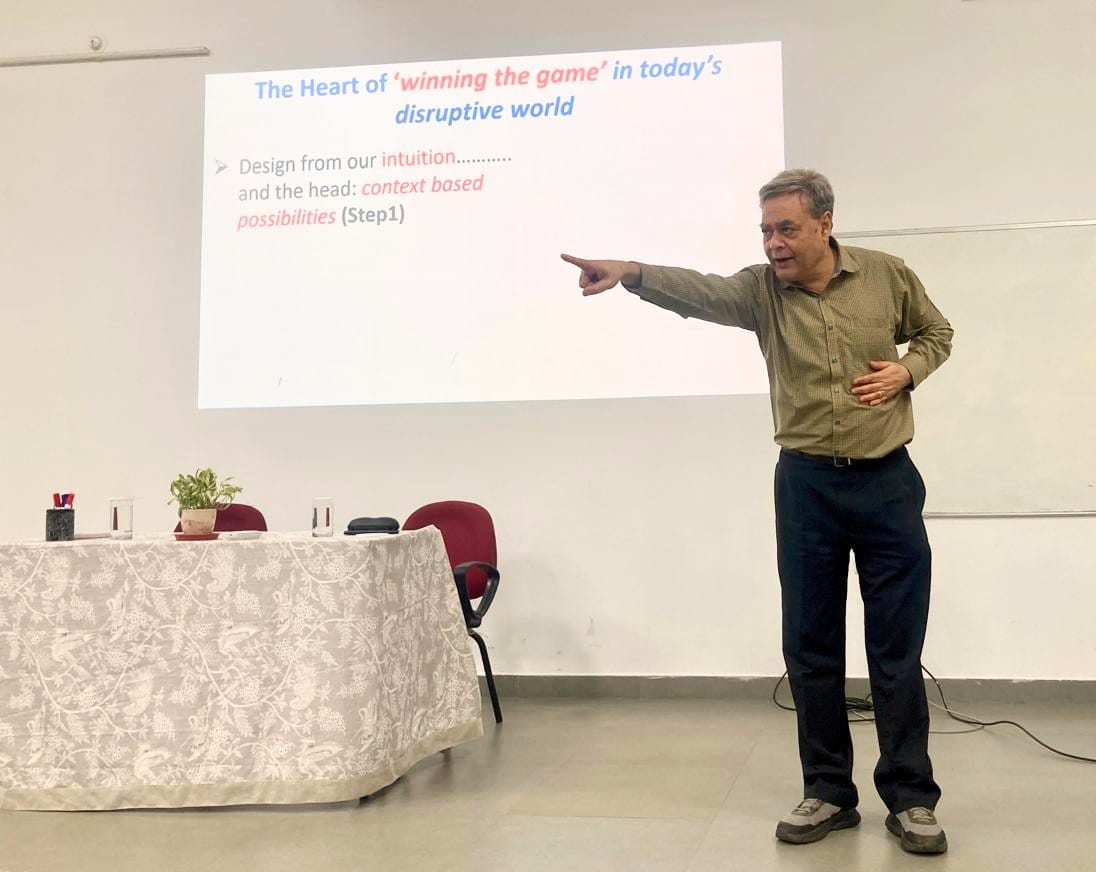
Interestingly, I was recently invited by the Goa Business School, Goa University to speak on the same topic. What we were really looking at is succeeding in an environment that is constantly changing and being disrupted. By new technologies like AI, new competitors, new business processes. The question for us was, ‘So what does one do to win?’
I related a story from my own professional life.
In a past assignment, I was managing a Travel & Destination services t company. One of our major customer accounts was the national petroleum development organisation and because of the large business quantum, we had an implant operation with a dedicated team. Our service and response levels were appreciated by the client.
As our contract period was ending, the company released a tender for a subsequent period. Believing the client was happy with us, we submitted our competitive offer in line with what we had done during our last successful bid. When the tender was finalised, we were shocked to know that we had lost. When we asked the client’s commercial team, we were informed that we had not complied with the technical terms of the bid. Going back to the drawing board, we found that in the tender document, there had been a small section requiring development and implementation of a Travel management Services, TMS in short, software as part of the client’s intranet, which we had not responded to.
Soon, we had the opportunity to bid against a tender released by the National Gas Company. We noticed that in this tender document too, there was a requirement of implementing a TMS software. This time we were careful enough to comply with the requirement by indicating our willingness to develop. But we again lost the tender! The winner was a competitor who already possessed a fully developed TMS module and had provided a live demonstration of the same to the client.
We had been disrupted. By a new technology, a new competitor, which together had disrupted our traditional business mode, a model which had worked well all these years. The world had shifted, the business need in the environment had changed and the earlier alignment which our company’s competence set had with the environment, had been lost.
**
In 1849, French writer Jean-Baptiste Alphonse Karr wrote, “plus ça change, plus c’est la même chose” which in English translates to “the more things change, the more they stay the same.”
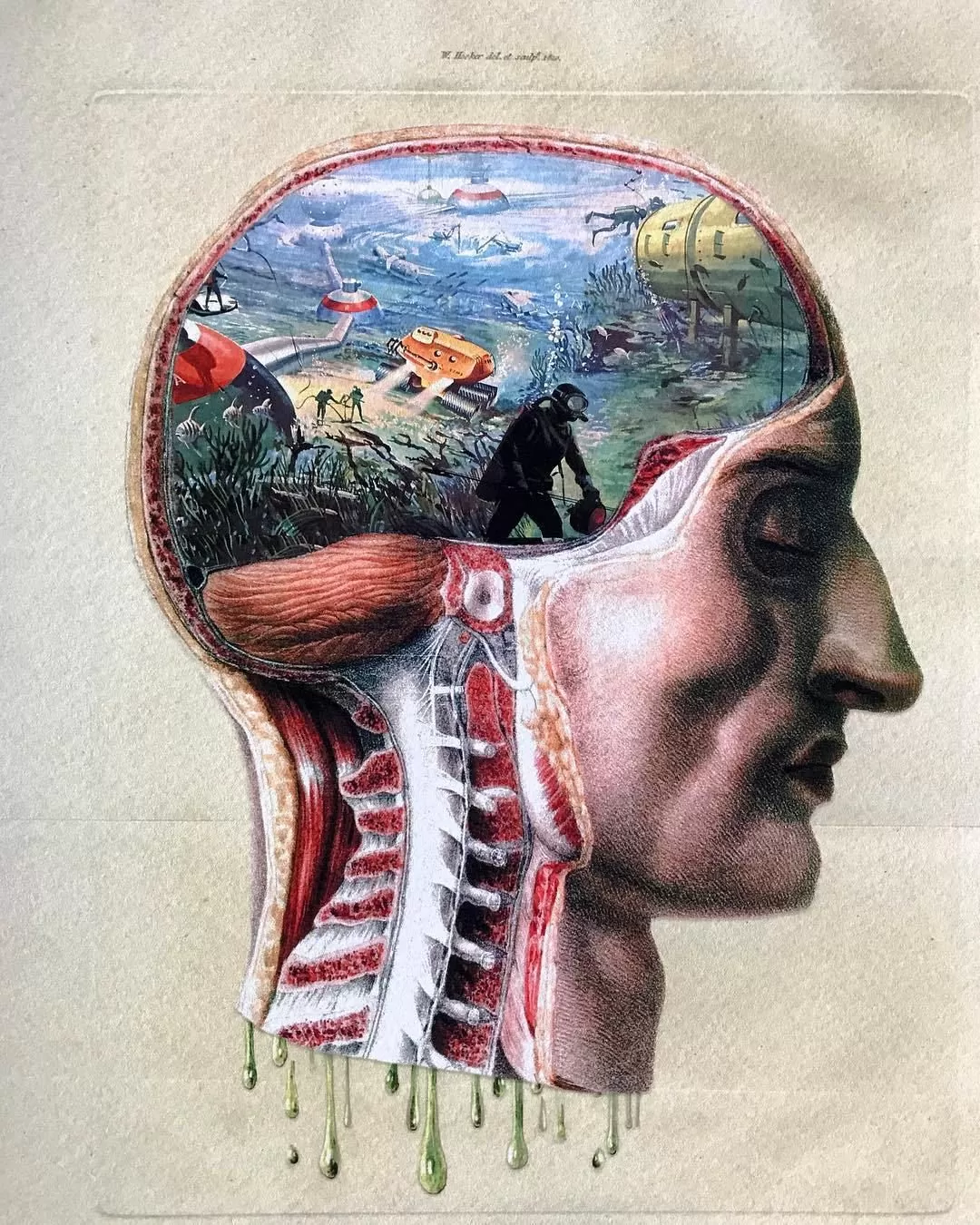
The above perspective is possibly at the heart of why we get disrupted. The human mind loves continuity and certainty. These allow us to make sense of what we see as stuff we are familiar with, which our brain does using mind models based on our past experiences. But what happens when we are faced with something we have never encountered before? Our brains somehow try to force fit these unknown inputs into one of our mind models. Even though we remain unaware, this ‘force fit’ sense making process leads to the observed inputs getting distorted, some parts get amplified while others which do not fit, get discarded. Thus, when we probabilistically try to predict, often we fail and get disrupted.
The disruptive world allows us to reside in a narrow band in the present with a hazy and uncertain future in front and the inability to take recourse of the past. Thus to successfully negotiate we need to shift away from our usual probability-based mindset into a mindset of possibilities.
In the session I showcased certain action steps which would support us to do the shift.
I got around to explaining that the first Action step is to create a context for ourselves within our own domain through using hard trends in three areas viz. Demographics, Regulatory and Technology (DRT Context). The hard trends that we uncover become the framework of the context we are creating. Our context would allow us to view every situation in a particular manner.
At this juncture a participant asked for this step to be shown through a case study or live example. I elaborated using the example of the Aviation Industry.
Demographics: Major customer profile shift is occurring viz. growth of young budget traveller and the elderly. Communication technologies is leading to the decline of Business travel. Climate change is shifting the seasonality of leisure travel. Customer behavior is also changing, with short booking windows—often a week or two with fewer travelers making plans far in advance.
Regulatory: Climate change is leading to increased incidences of air borne diseases requiring changes in booking process e.g. Pre-flight testing, need for registration of previous and past travel etc. Technology is allowing airlines to have seamless connectivity within the travel ecosystem to increase demand + assist governments and regulators in creating worldwide / regional standards for hygiene as well as operations.
Technology: Integrated and contact less handling at the airport regarding access viz. boarding pass issual, traveller identification through eye scans, baggage check-in etc. Seat allotment keeping in mind traveler profile, past medical history etc.
Action Step 2 is about using our above created DRT context to make three lists. List of all that we are certain of, list of things we know, and list of things we can do. If we put in the requisite time to make the lists, new possibilities would start showing up for us, a reflection of our improved competence to shift into a possibility mindset.
Action Step 3 is about further sharpening the saw for possibility mindset creation. We do that by unplugging ourself from our present clutter and challenges, then plugging ourself into the future and then use the ‘hard trend’ context created in Step 1, the 3 lists of being certain, knowing and doing ability in Step 2 to do anticipatory & future back thinking through a structured enquiry.
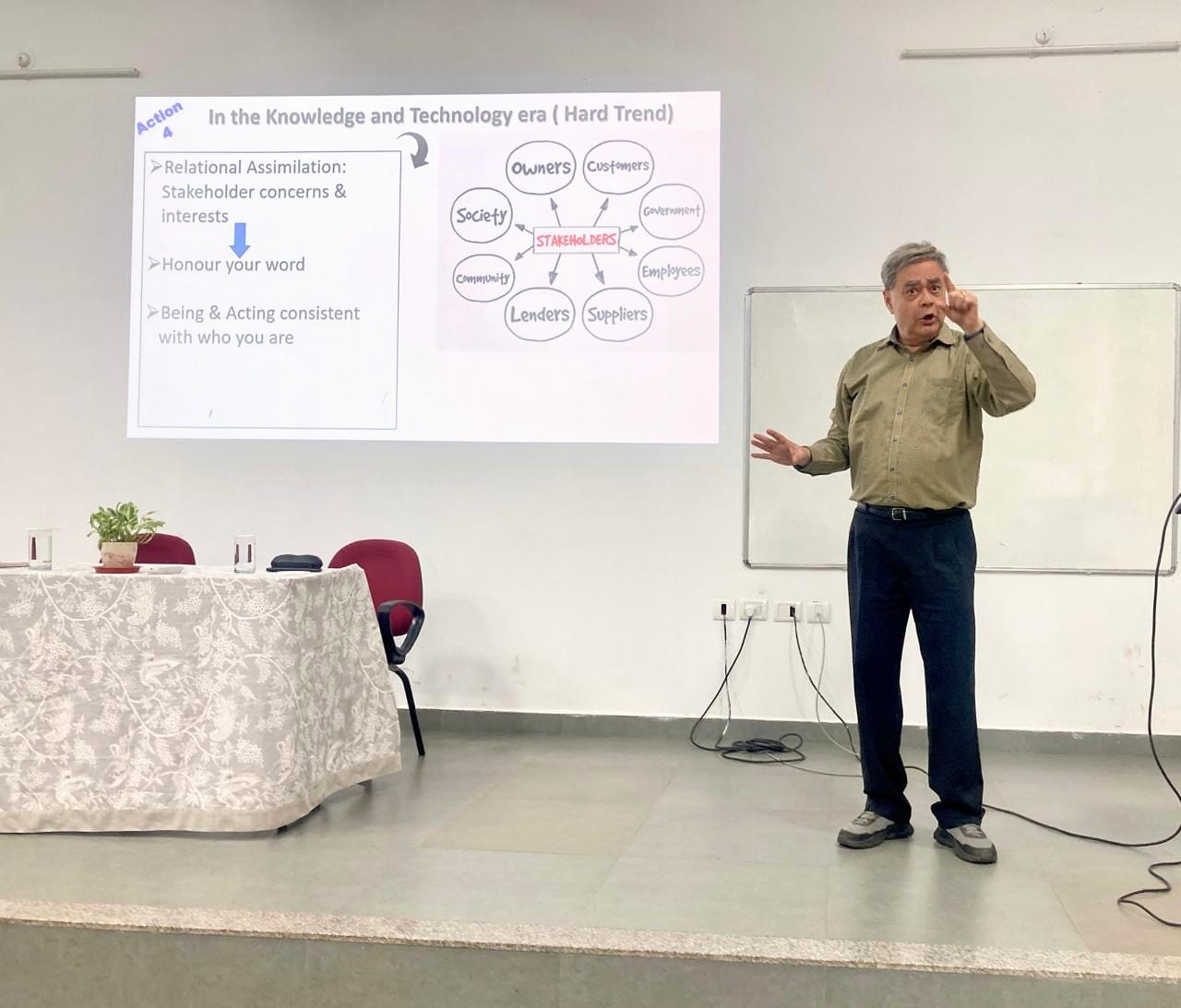
Action Step 4 is about Relational Assimilation which is identifying and defining groups relevant to our business and optimising the group boundary level interactions to advance our own interests. It thus is all about addressing stakeholder concerns. So, who are these stakeholders? They are wide ranging entities. Starting from the company Owners. Employees, who are the internal stakeholders to Customers, suppliers, our banks and financiers- our external stakeholders. But we also have environmental stakeholders viz. local community, society at large and the Government and regulatory authorities. Each of the stakeholders impact the organisation and ourselves in some way, some directly, others indirectly. To ensure effective relational assimilation, we need to exhibit certain qualities in our interactions.
Honouring or Integity of our word. Have we ever considered the fact that we are really equal to your word, nothing more , nothing less? We might see ourself as an individual with certain looks, qualifications, competencies etc. But to the outside world, we are perceived as our word. So, what is ‘Honouring our word’? This means keeping our word and as soon as we realize we are not able to do so, we need to inform all effected parties that we cannot keep our word within the time frame indicated earlier, offer a new time frame to do it and declare that we would take care of the consequences if any, of not keeping our word as per the earlier indicated time frame.
Can you see from what I just said that while it is not possible to keep our word under different situations, we can always ensure that we honour our word?
Being and acting consistent with who you are: This is all about being authentic. Bill George, former CEO, Medtronics and Professor of Leadership at Harvard Business School, concluded, “After years of studying leaders and their traits, I believe that Leadership begins and ends with authenticity.”
So how does one improve one’s own authenticity? Simply put, it is by being authentic about our inauthenticities’. We need to be publicly authentic about our inauthenticity with those around us for whom this inauthenticity matters.
Listening with no intention, no judgment, no Right or Wrong:. This is called Active Listening. A special kind of listening that we use to allow the speaker to articulate his or her own strongly held positions, views, rationalisations, justifications and unexamined beliefs. When we engage in active listening, we do it without colouring our own mind with our own intention, own judgments and our own views about what is being said being right or wrong. You could start with practicing active listening once a day and then slowly increasing the number till the trait becomes part of you.
As you make Integrity, Authenticity and Active Listening part of your repertoire for dealing with your stakeholders, you will see the significant upswing in empathy, respect and trust in your dealings. Action 4 is thus the catalyzing agent to ensure the achievement of the action steps you had created based on the first 3 actions.
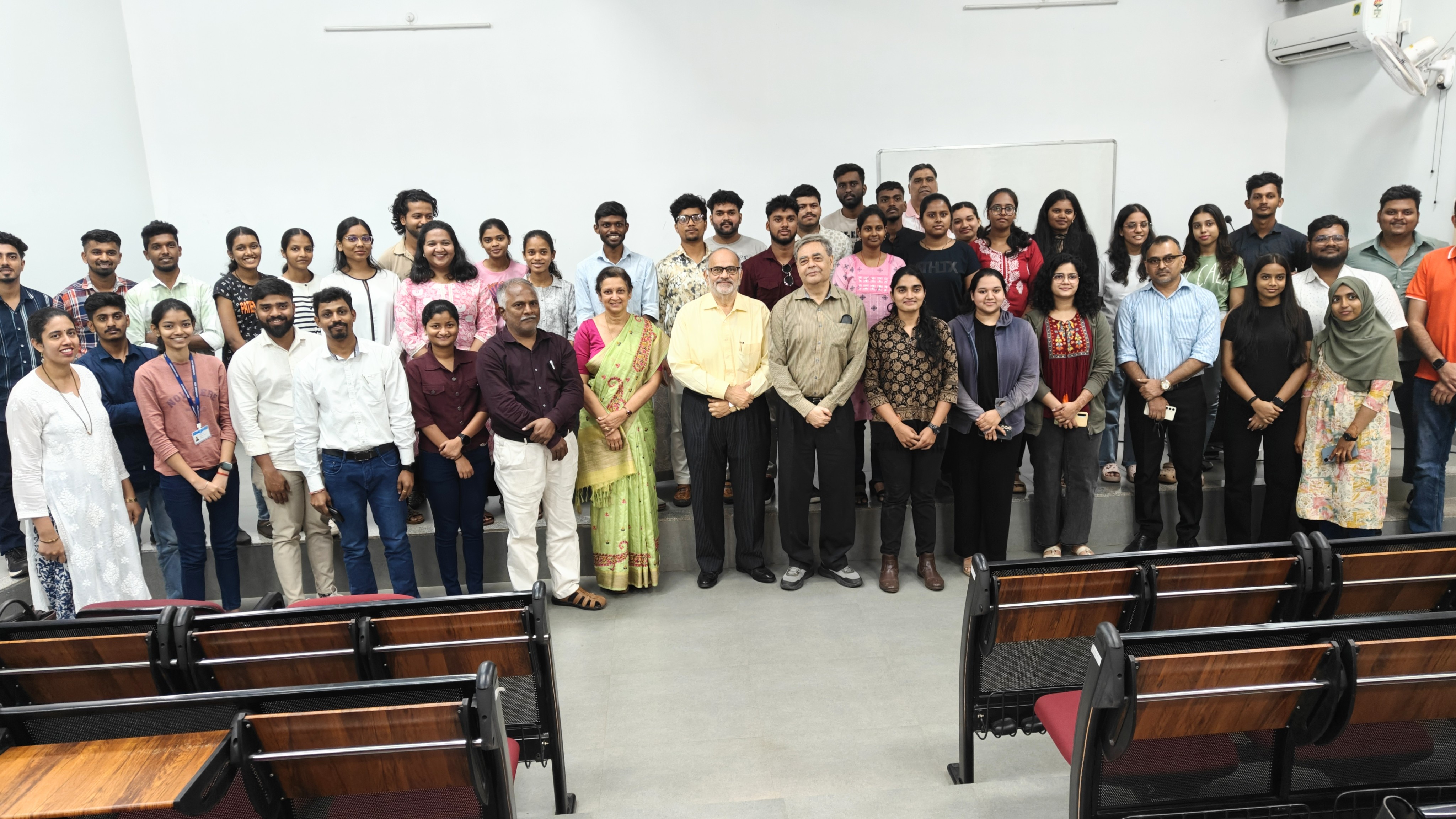
With the participants
**
In the ultimate analysis, Winning in a disruptive world is all about that ability to See, Comprehend & therefore Interact with life (and situation) differently than most people do. ‘Winners of a disruptive worldSEE….and come to live in a different world.


















 A New Beginning