


Artificial Intelligence (AI) is no longer a futuristic concept—it is here, and disrupting all that we are familiar with in terms of the way we work, make decisions, and interact. As Leaders and Managers, while we might agree with this, we might not have given much thought about how we ourselves might need to change, rethink our own roles and priorities. How we as leaders need to adapt to make the most of the shift at the workplace and business perspectives taking place?
So how do we go about Shifting the Leadership Mindset?
In 2018, Satya Nadella, CEO of Microsoft, shared an interesting insight: “The role of a leader is not to be the know-it-all, but to be the learn-it-all.” This could not be truer in an AI-driven world. Leaders who cling to old ways of working—making decisions based on experience alone or holding tightly to hierarchical structures—will struggle. Instead, they need to embrace a few key shifts in thinking. I am enumerating these here.

- From Authority to Empowerment: Picture yourself, a seasoned marketing manager who has always relied on gut instinct to craft campaigns. Now, AI-driven analytics suggest alternative strategies. Instead of resisting, you encourage your team to experiment with AI insights, leading to a campaign that doubles engagement. According to MIT Sloan Management Review (2022), businesses that integrate AI into decision-making while maintaining human oversight see greater innovation and efficiency [1]. To be an effective leader today, you need to empower your teams to harness AI rather than dictating decisions.
- From Gut Feeling to Data-Driven Decisions: Years ago, a retail CEO might have made inventory decisions based on past sales and intuition. But today, AI predicts customer demand with astonishing accuracy. McKinsey Global Institute (2023) highlights that companies leveraging AI for predictive decision-making can outperform competitors by up to 20% in operational efficiency [2]. Take Zara, for instance, which uses AI to analyze shopping trends and adjust production in real time. As a leader, you must learn to trust AI insights while still applying human judgment where it matters most.

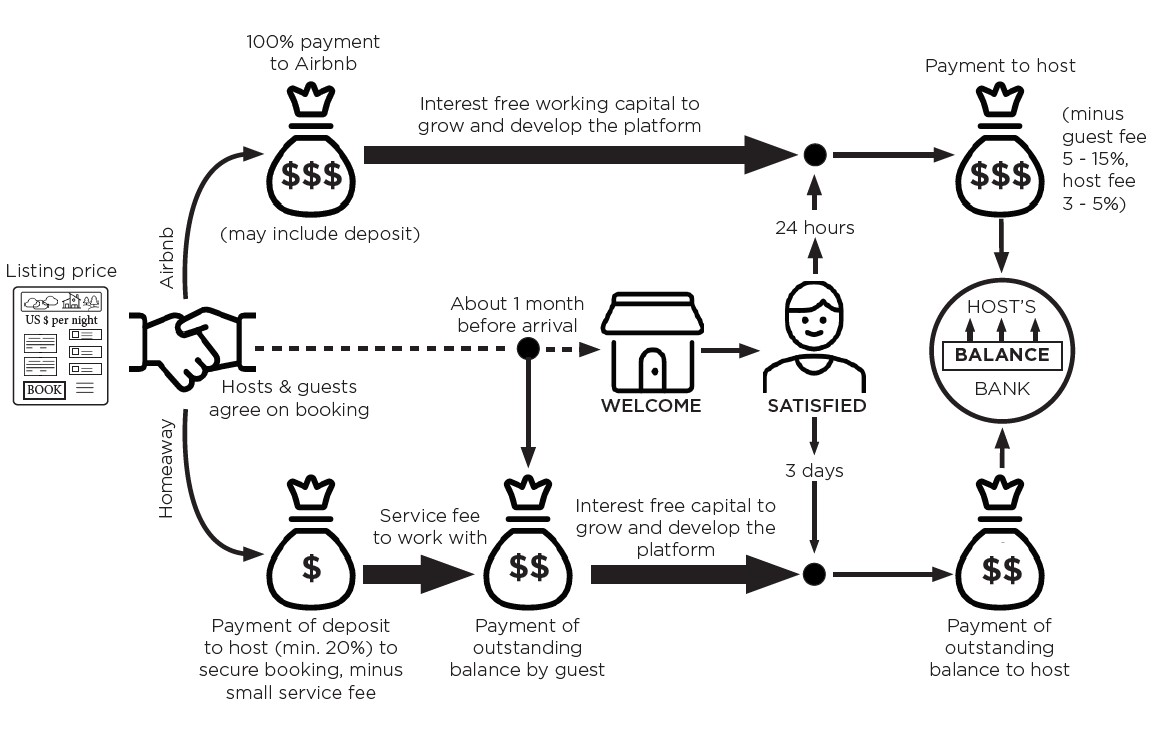
( c ) From Stability to Agility: When the pandemic hit, Airbnb faced a crisis. Travel halted; bookings plummeted. Instead of panicking, leadership used AI-driven insights to pivot towards long-term rentals, adapting to new customer needs. The shift kept the company afloat. Deloitte Insights (2023) emphasizes that adaptability is a critical survival skill in AI-driven businesses [3]. In an AI world, you as a leader needs to develop adaptability as a survival skill.
The Changing Leadership Context
The rise of AI is reshaping not just how businesses operate, but also how leaders interact with teams and technology.
- Human-AI Collaboration: Imagine an investment firm where AI scans market trends and suggests portfolio adjustments. It does not replace human analysts—it enhances their work. According to Harvard Business Review (2021), companies that use AI for augmentation rather than automation see higher employee engagement and better decision outcomes [4] You as a leader need to foster a culture where AI is seen as a tool for augmentation, not as a threat.
- A Workforce with Different Expectations: I know of a tech startup which has hired a mix of Gen Z employees who are eager to automate repetitive tasks and seasoned professionals who fear AI might make their skills obsolete.Gartner (2022) stresses the importance of AI literacy, stating that leaders must bridge this gap to create a future-ready workforce [5]. You as a leader need to bridge this gap by promoting AI literacy and ensuring every team member understands how AI enhances, rather than replaces, his / her role.
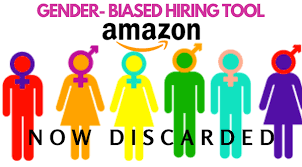
- Ethical Leadership in AI Use: Amazon once developed an AI-driven recruitment tool that unknowingly favoured male candidates. When this bias was exposed, leadership had to step in and scrap the project. This highlights the importance of ethical oversight.World Economic Forum (2023) notes that responsible AI governance is one of the most pressing leadership challenges today, requiring fairness, transparency, and accountability [6]. In an AI world, you as a leader must ensure fairness, transparency, and accountability in AI applications.
So, what might be the key leadership qualities needed for an AI-Driven World?
- Digital Fluency: Take Elon Musk—while not an AI engineer, he understands AI’s potential enough to integrate it into Tesla’s self-driving technology.Stanford AI Index (2024) reports that organizations with AI-savvy leadership are more likely to succeed in AI implementation [7]. You as a leaderdo not need to code AI algorithms, you should be able grasp how AI works.

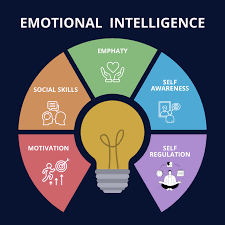
- Emotional Intelligence: Consider Jacinda Ardern, whose empathetic leadership style resonates deeply in an increasingly digital world. AI can provide data, but only humans can provide understanding and connection.World Economic Forum (2020) highlights that empathy and communication will remain irreplaceable leadership traits in an AI-driven world [8]. As a leader, you need to always hold the perspective that, with AI handling repetitive tasks, the human touch becomes even more critical.
- Adaptability and Curiosity: In the 1990s, Jeff Bezos saw the internet’s potential and launched Amazon. Decades later, he embraced AI to power recommendation engines and logistics. As a leader, if you stay curious and embrace continuous learning, you will thrive in an AI-powered future.
- Vision and Strategic Thinking: Netflix uses AI to recommend content, but it’s the leadership that chooses to invest in original programming. As a leader, know that while AI offers insights, it is human vision that drives bold, strategic decisions.
- Inclusive Leadership: AI is only as good as the data it learns from. As a leader, you must ensure that diverse teams contribute to AI-driven decisions to prevent biases and improve outcomes.

Conclusion: Leadership in an AI-powered world is not about controlling technology—it’s about guiding people to make the best use of it. The leaders who will thrive are those who embrace AI, empower their teams, and balance technological advances with human insight. Just like any major transformation in history, success will not come from resisting change but from learning how to harness it.McKinsey (2023) suggests that successful AI-driven companies are those that invest not just in technology but in leadership transformation [9]. The future belongs to leaders who can blend AI-driven intelligence with human wisdom and vision.
What would you need to do to be such a leader?
In learning…………………. Shakti Ghosal
- MIT Sloan Management Review (2022), “Reshaping Business with Artificial Intelligence.”
- McKinsey Global Institute (2023), “The State of AI in 2023: Generative AI’s Breakout Year.”
- Deloitte Insights (2023), “AI & The Future of Work: The Leadership Imperative.”
- Harvard Business Review (2021), “Building the AI-Powered Organization.”
- Gartner (2022), “Top Strategic Technology Trends: AI Leadership.”
- World Economic Forum (2023), “AI Governance: Aligning AI with Ethical Standards.”
- Stanford AI Index (2024), “AI Adoption and Leadership Report.”
- World Economic Forum (2020), “Future of Jobs Report.”
- McKinsey Global Institute (2023), “Leadership in the Age of AI.”















 A New Beginning