
There are some journeys where you return with photographs. And then there are journeys where you return with a changed sense of perspective. Yesterday was one of those days.
We spent an entire day driving through Amboseli National Park, and for hours the landscape seemed to reinvent itself. One moment, there were vast open plains stretching towards the horizon. Then came a wetland, a cluster of acacia trees, a dusty track disappearing into the distance, or a herd of elephants appearing almost magically against the landscape.
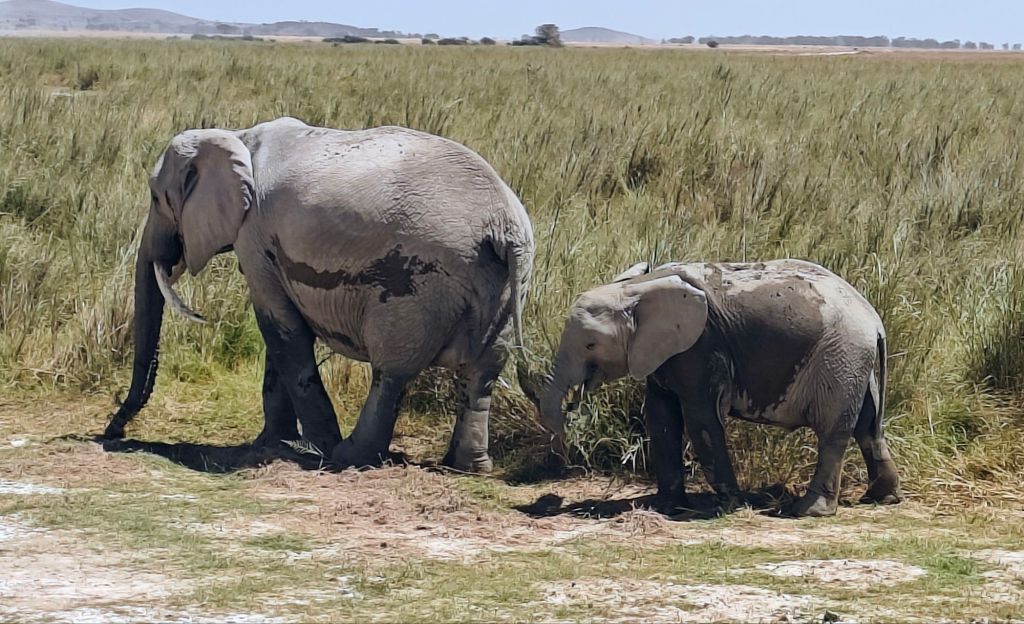
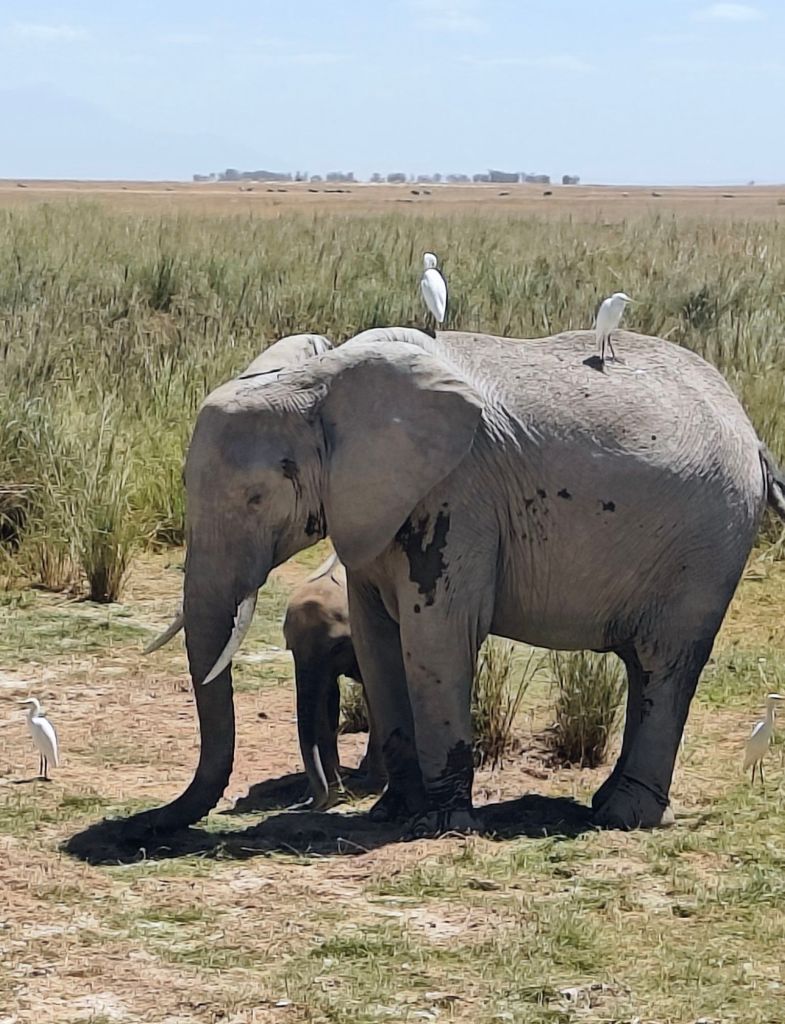
Amboseli is often described as the “home of the African elephant”. It is easy to understand why. We saw elephants in different groups, some quietly grazing, some walking purposefully across the plains, and others simply standing there with that extraordinary, almost contemplative presence that elephants seem to possess.
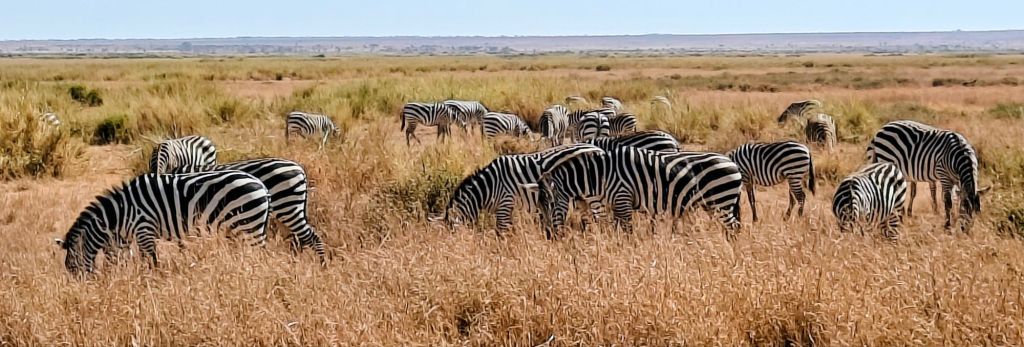
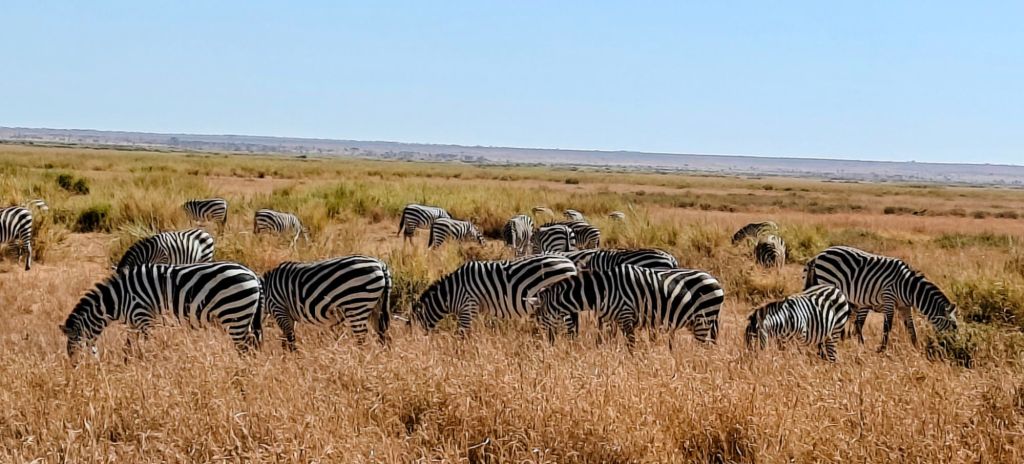
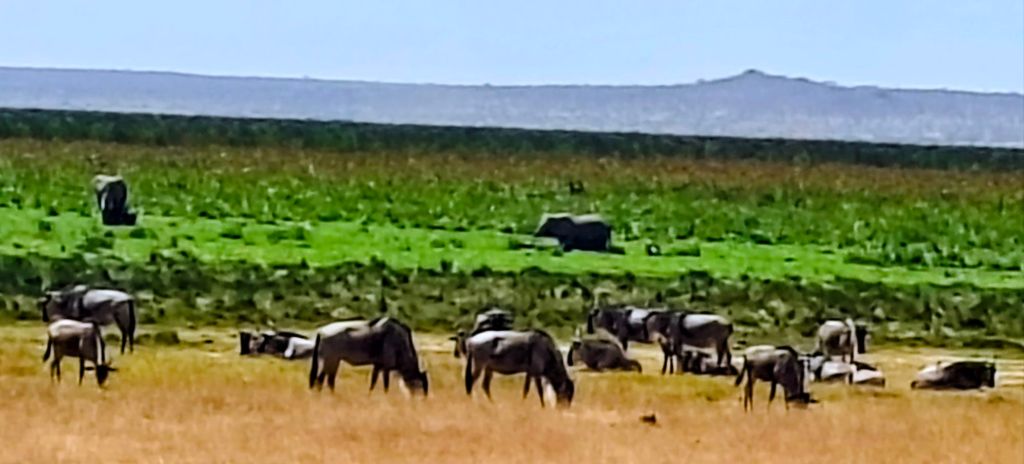
There were hundreds of zebras and wildebeests, moving across the grasslands in groups that seemed almost endless. Gazelles appeared in the distance, alert and graceful. Giraffes rose above the vegetation like living sentinels. Baboons went about their business with an irreverence that was almost human.
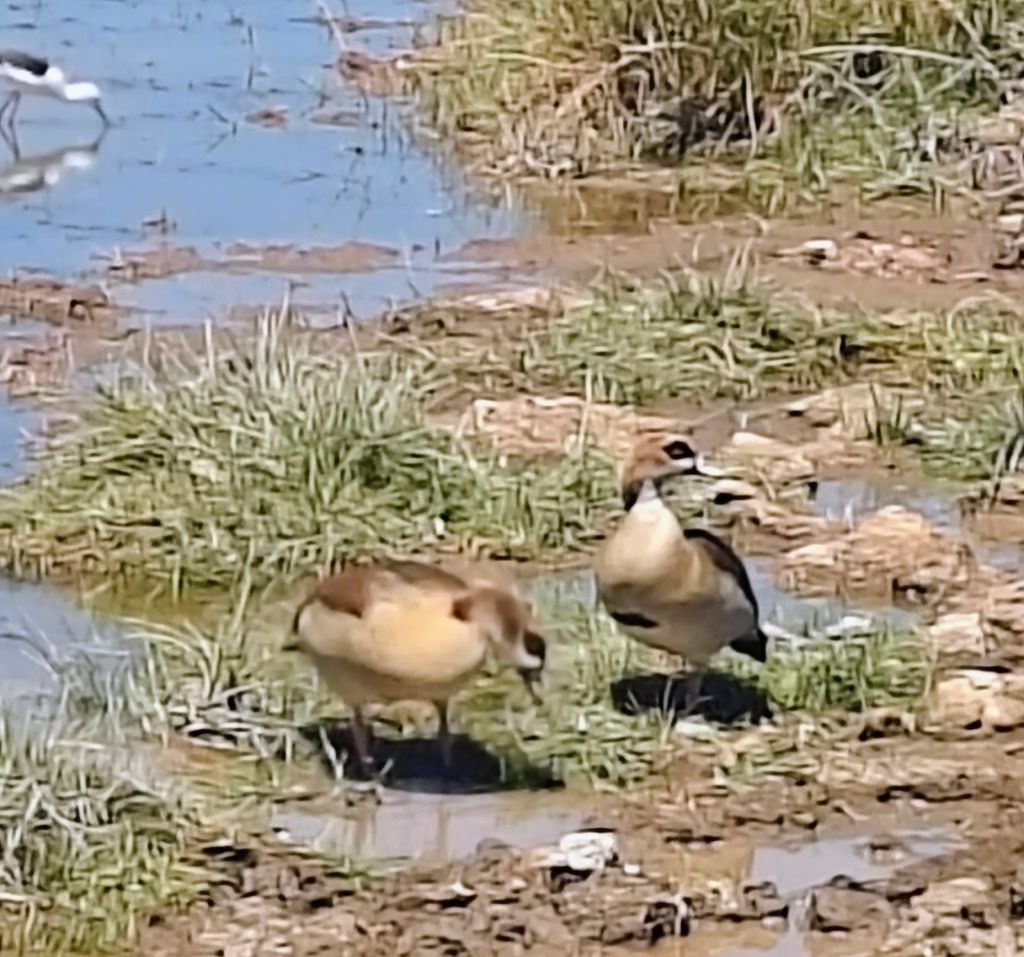
And then there were the birds. Some were familiar, others completely new to my eyes. Their colours, shapes and calls added another dimension to the landscape. I came to know that Amboseli is, in fact, an important birding destination, with more than 400 recorded bird species.
What makes this place particularly remarkable is that it is not simply a collection of animals. It is an ecosystem, delicately interconnected through water, grass, wetlands, migration and seasons. We came to know that the seemingly dry landscape also has wetlands and springs fed by water originating from the slopes and underground systems associated with Mount Kilimanjaro. That water sustains an astonishing abundance of life.
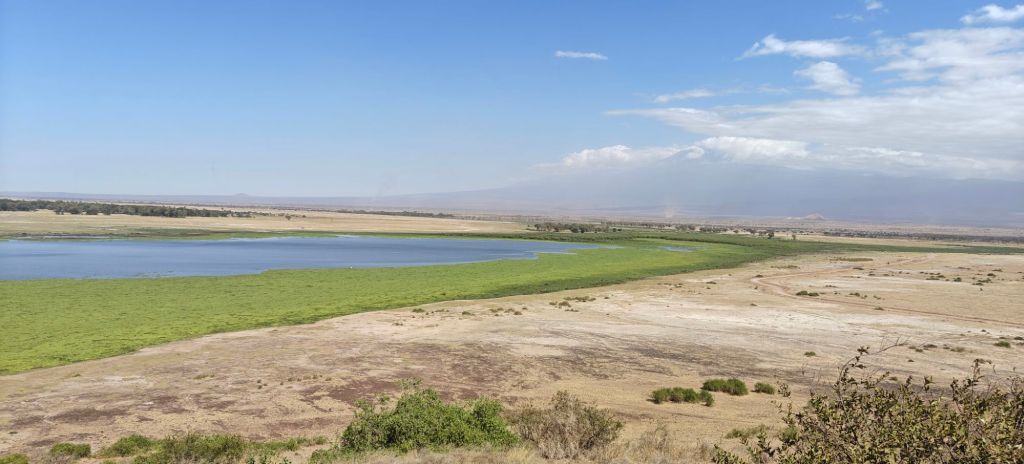
And somewhere in the distance, when the clouds allow it, stands Kilimanjaro—Africa’s highest mountain—watching silently over the entire drama.
That contrast stayed with me. A mountain that appears timeless. Animals that seemed to live entirely in the present. And we, the human beings, who spend much of their lives worrying about tomorrow.
For me that seemed to be one of the quiet lessons of yesterday’s safari. The zebra does not know it is part of a magnificent ecosystem. The elephant does not pause to admire the landscape. The giraffe does not contemplate the sunset.They simply live in the here and now. We, on the other hand, are constantly rushing through life while trying to capture it.
Yesterday, sitting in a safari vehicle and watching one landscape after another unfold, I found myself wondering whether wilderness is really about seeing animals. Perhaps it is about seeing ourselves differently.
Amboseli did not need to tell us that life is precious. It simply demonstrated it—silently, continuously, and without asking for our attention. I only had to be quiet enough to notice.
In musing….. Shakti Ghosal


Yes. I think that’s it. Everything is urging us on and on, faster and faster. I think people in general have lost the desire? Ability? To slow down and pay attention. It’s amazing what we can see when we do this. 🙏♥️
LikeLike
Dear Bela,
I suppose as humanity, we are losing both our ability and desire.
Shakti
LikeLiked by 1 person
You know part of me wants to say I hope not. But the observer in me says you may absolutely be correct. And then what? I don’t mean for you to answer that question. I think it will evolve in time.
LikeLike