

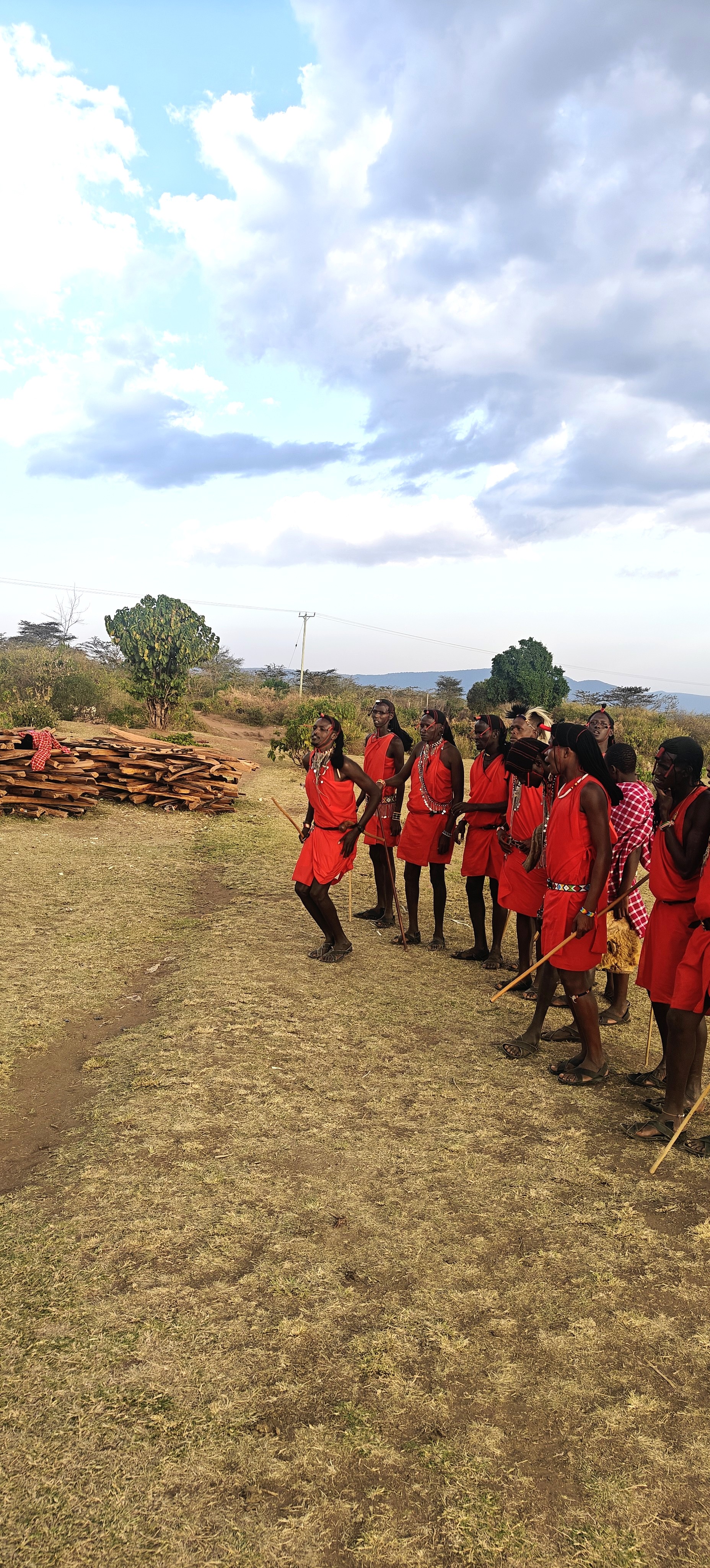
During our recent safari trip in Kenya, a visit to a Masai village was part of the itinerary. We went with curiosity, but also with the expectations of people accustomed to a very different world.
The Masai Mara is extraordinary not merely because animals still roam freely across its vast savannah, but because the Masai have, for generations, lived alongside that ecosystem without attempting to conquer it. They tend cattle, depend on them for milk and sustenance, and have retained traditions that seem to belong to another age. Yet, paradoxically, they appear to understand something that our supposedly advanced civilisation often forgets: Nature is not a resource to be consumed; it is a system to be lived within.
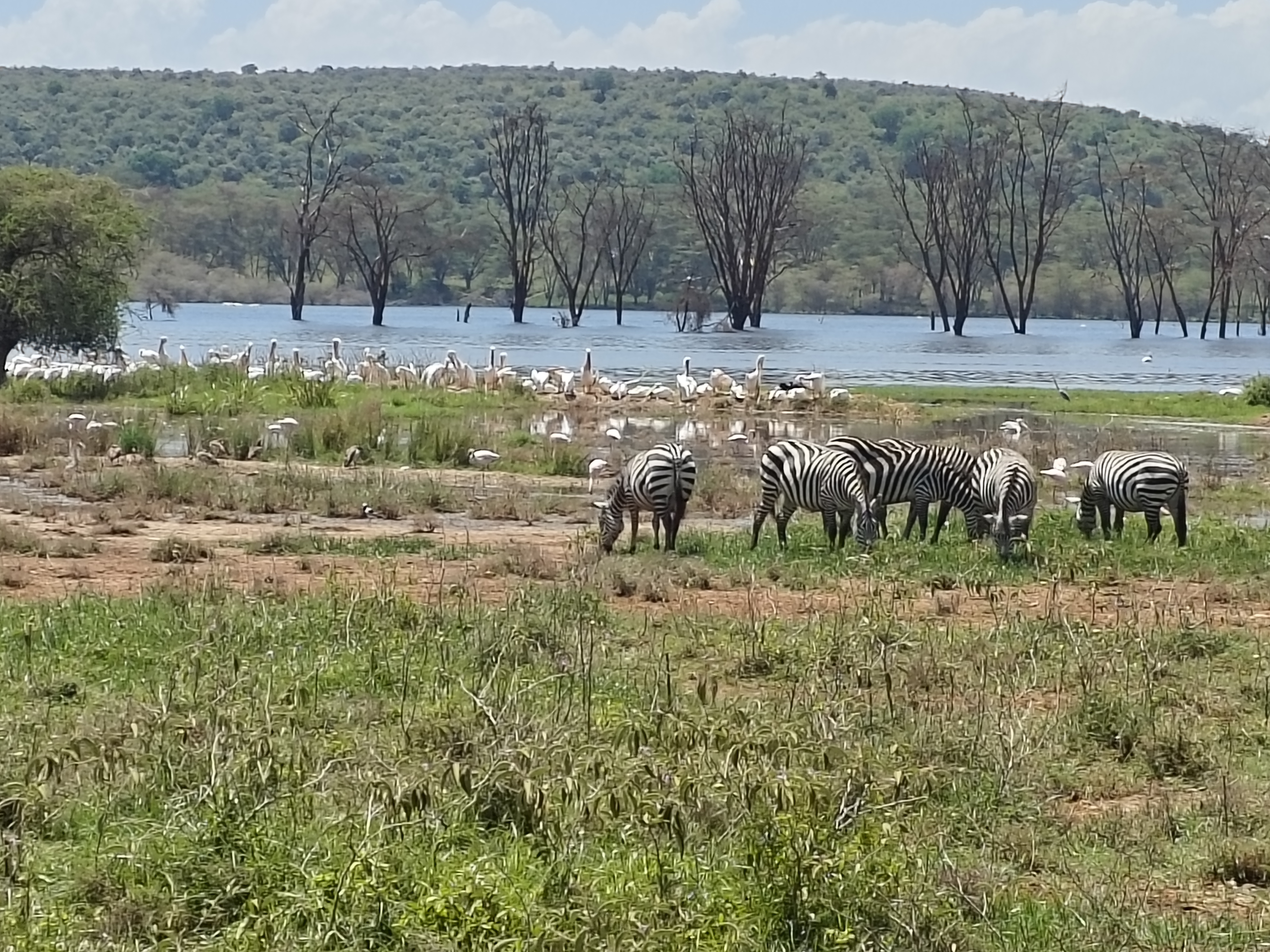
The village itself was fascinating. A circular settlement, protected from predators by a dense perimeter of thorny shrubs, with homes around the outside and cattle occupying the central space. The houses were constructed from soil and cow dung. The village, we were told, eventually moves when termites begin destroying the structures. There was no attempt to make the place look modern for visitors. It was what it was. And then came the most revealing part of our visit.
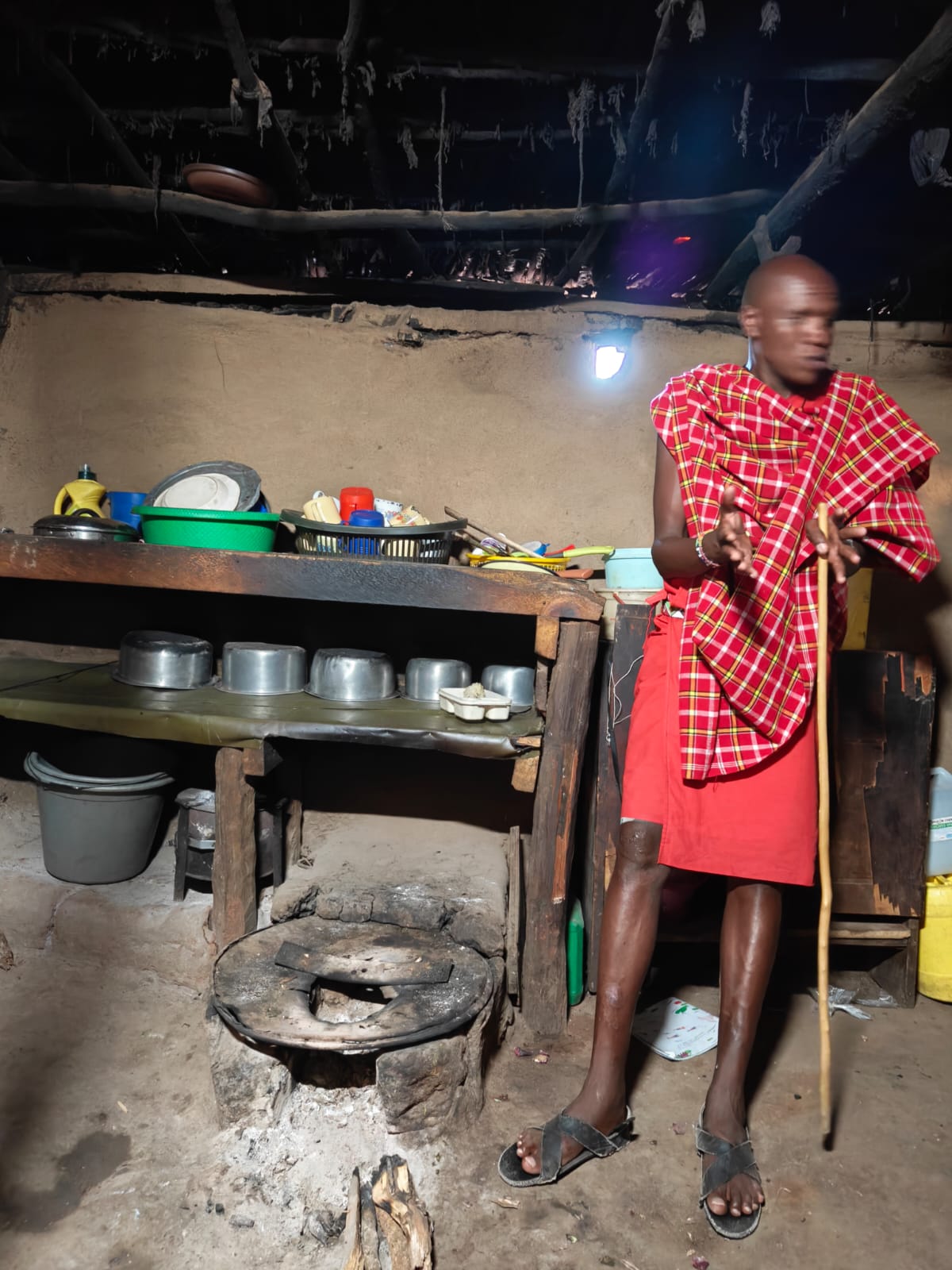
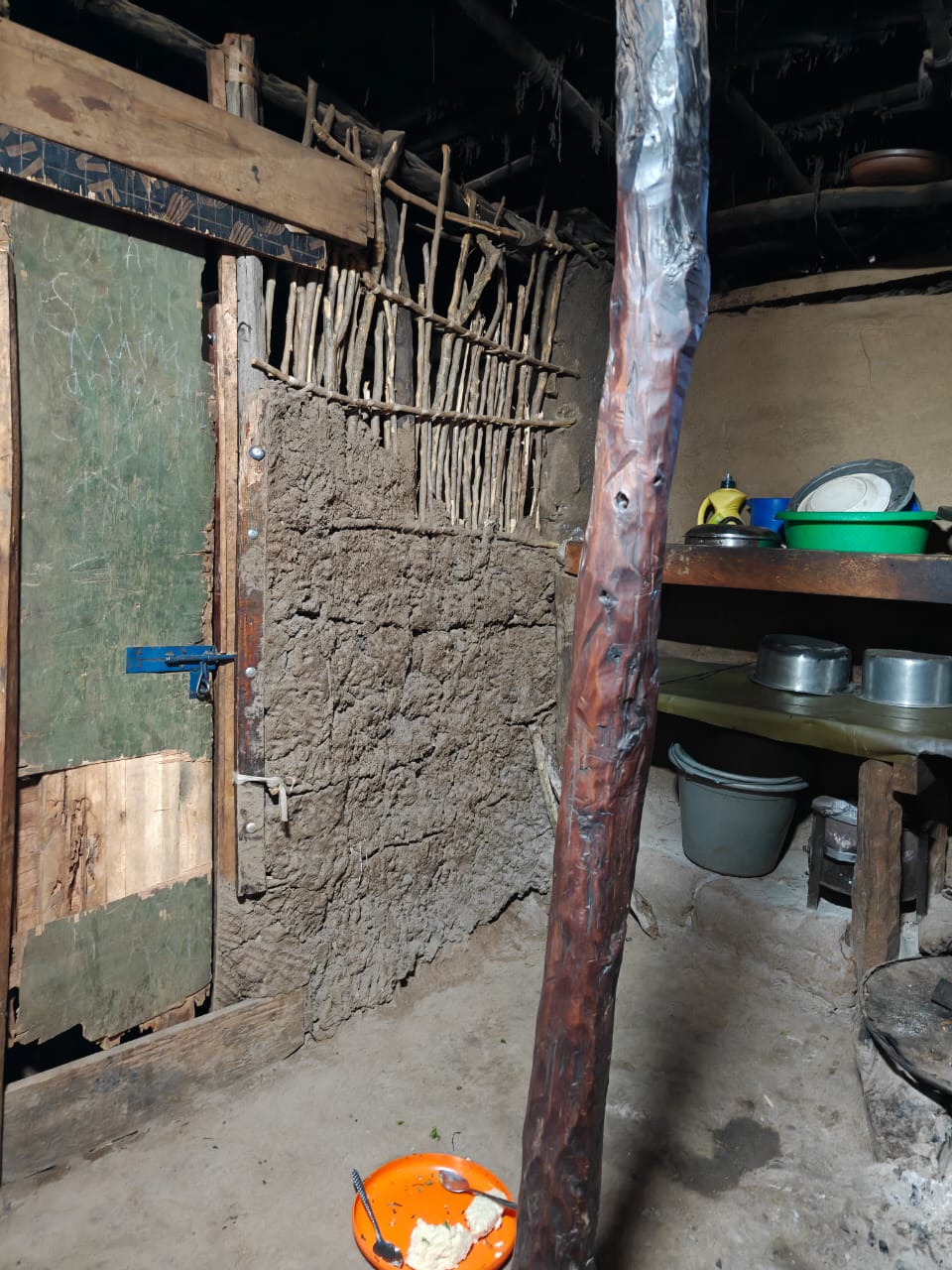
A Masai elder invited us into his home. We entered through a tiny doorway into a dark, compact space. There was a fireplace for cooking, some firewood, a few simple utensils and a single light bulb powered by a solar panel provided for the village. There were small cots for the children. His bedroom had two tiny windows for ventilation and, remarkably, a little peephole through which one could see the outside world. He jokingly called it his television. I smiled at the simplicity of the joke. But it stayed with me. For us, television means hundreds of channels, streaming platforms and a world delivered instantly into our homes. For him, television was a small opening in a wall through which he could watch life unfold.
Then we heard a frail voice from behind a closed door. It was his elderly mother. She had to be kept inside because, having lost her sense of direction, she would wander away and not know how to return. We left the house quietly. Seven people lived in a space smaller than a room in many of our apartments. There was little comfort, almost no privacy and virtually none of the conveniences we consider essential to modern life. And yet, something troubled me about the easy conclusion that this was simply a primitive way of living.
The Masai knew about our world. Their children went to school, spoke English and understood modern technology. But they rejected coal because in their own words, it would harm the environment. Perhaps, just perhaps, they were not living in the past. Perhaps they were reminding us of something we had left behind. Progress has given us comfort, convenience and extraordinary choice. But has it given us wisdom?
Standing inside that small Masai home, I wondered whether civilisation should be measured only by how much we accumulate—or by how little we need to live responsibly. The Masai may have much less than us. But perhaps, in one important respect, they have understood much more about life and living.
In musing….. Shakti Ghosal
Acknowledgement: Masai Home photos (2) by my friend and fellow traveller Partha Banerjee.


