

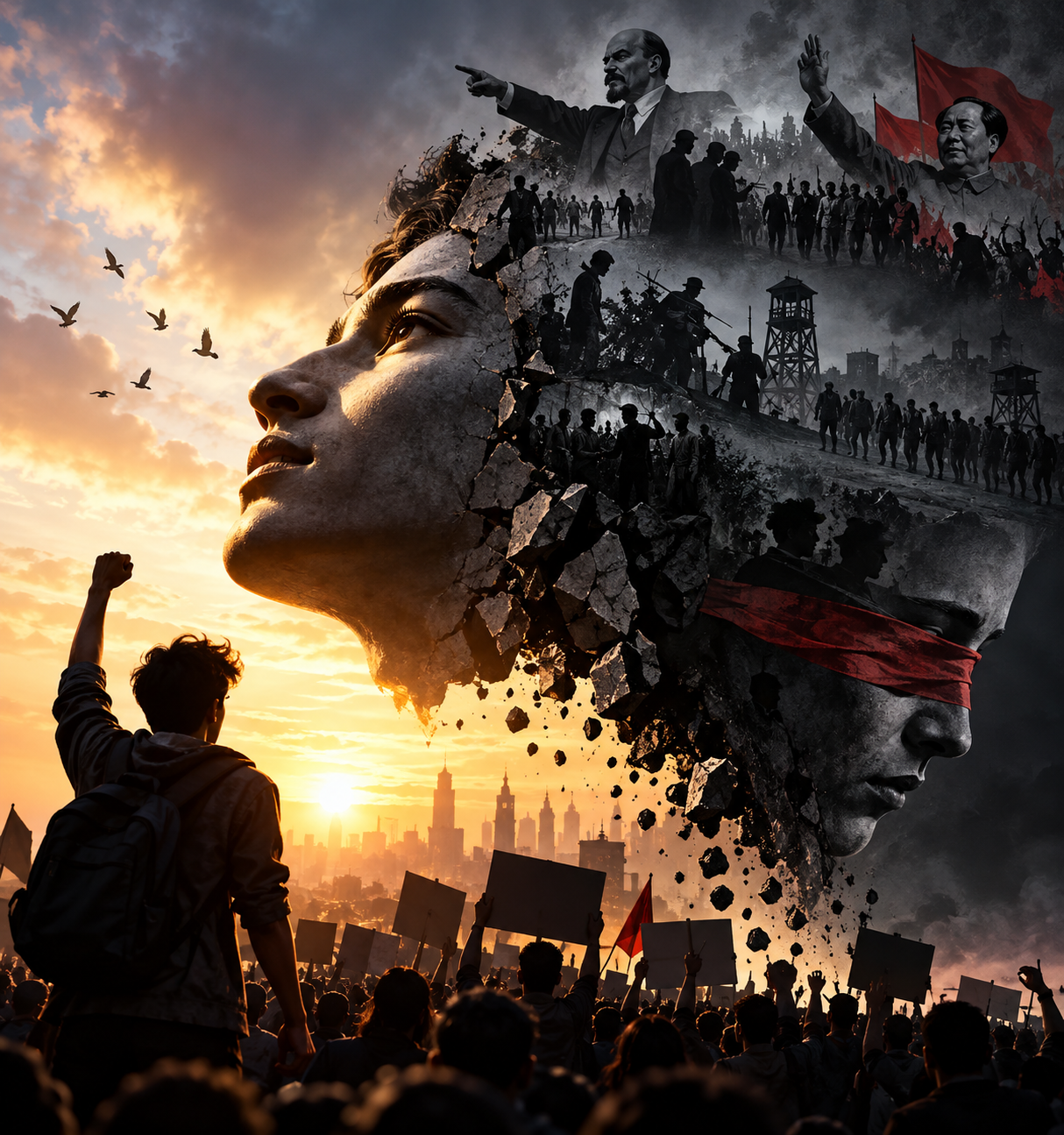
History has a peculiar habit. It rarely announces its darkest chapters at the beginning.
Revolutions usually arrive carrying beautiful promises. Justice. Equality. Freedom. A ‘better world’ for those who have been denied one. And often, these promises are genuine. Societies do need to change. Injustices do need to be challenged. The young have every right to question the world they inherit. But history also leaves us with an uncomfortable question.
At what point does the struggle for freedom begin to take freedom away? Look at the history of the twentieth century.
After the Russian Revolution, intellectuals, writers and scientists who questioned the new order faced exile, imprisonment and persecution. Under Stalin, the machinery of the state turned against countless people, including educated professionals and ordinary citizens suspected of disloyalty.
In China, Mao’s Hundred Flowers campaign initially invited intellectuals to speak freely. When many accepted the invitation and criticised the Communist Party, the Anti-Rightist Campaign followed. Hundreds of thousands were labelled political enemies, and many suffered imprisonment, forced labour and professional ruin.
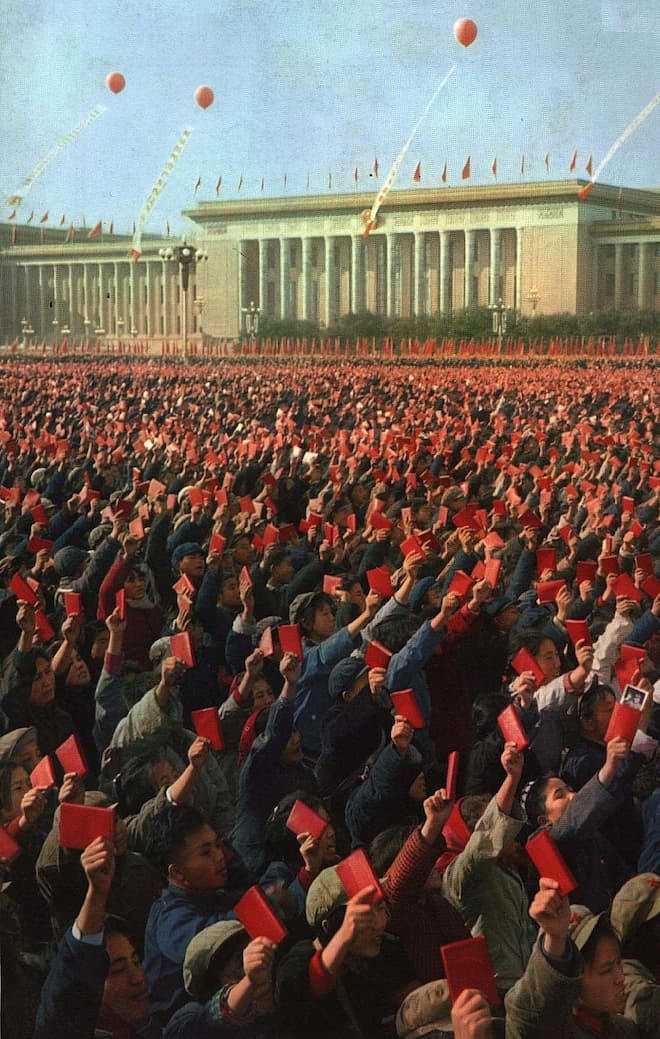
Then came the Cultural Revolution. Young people were mobilised in the name of ideological purity. Teachers were humiliated, intellectuals persecuted and families torn apart by political denunciations. The very people who had been encouraged to become instruments of a revolution could themselves become its victims.
In Cambodia, the Khmer Rouge pursued an even more brutal vision of social transformation. Education, professional status and the mere suspicion of intellectual life could invite persecution. The result was a human catastrophe.
These were different societies, different circumstances and different political histories. They should not be reduced to one simplistic explanation. But they leave behind a troubling lesson.
When an ideology begins to claim a monopoly over truth, the first casualty is often the freedom to disagree.
The danger does not belong exclusively to the Left or the Right. Nor does it belong only to revolutions. It can emerge wherever a movement becomes convinced that its cause is so righteous that ordinary restraints no longer apply.
The language may be different. The destination may be different. But the temptation is remarkably familiar. First, divide society into the virtuous and the corrupt. Then persuade people that those who disagree are not merely mistaken, but morally suspect. Next, make compromise appear cowardly, dissent appear disloyal and opponents appear unworthy of being heard.
Eventually, the cause becomes more important than the people in whose name it began. And somewhere along the way, the freedom to think independently becomes an inconvenience.
This is not an argument against protest. Far from it. Protest is an essential instrument of democracy. It gives voice to those who feel unheard, challenges the powerful and forces institutions to confront uncomfortable truths. Without protest, many of the rights we take for granted might never have been secured.
But a protest does not become right merely because it is passionate. Nor does a government become right merely because it possesses authority. Both must answer to reason, evidence, law and the rights of fellow citizens.
Which brings me to a question closer home. Whenever a contentious public issue arises, whether it concerns elections, citizenship, governance or social justice, we should resist the temptation to judge it solely through the political loyalties we already possess.
If citizens fear that their names may be wrongly removed from electoral rolls, their concerns deserve a fair hearing and transparent remedies. If an electoral process is challenged, the evidence must be examined and the institutions responsible must be willing to explain themselves. And if protests take place, their legitimacy must be judged by their purpose and conduct, not simply by whether we agree with those participating. The right to question a process and the duty to protect its integrity are not opposing ideas. They are two sides of the same democratic obligation.
We should be equally wary of those who demand unquestioning faith in institutions and those who insist that every institution is beyond redemption. Blind obedience and blind suspicion may appear to be opposites, but both can destroy the space in which reason operates.
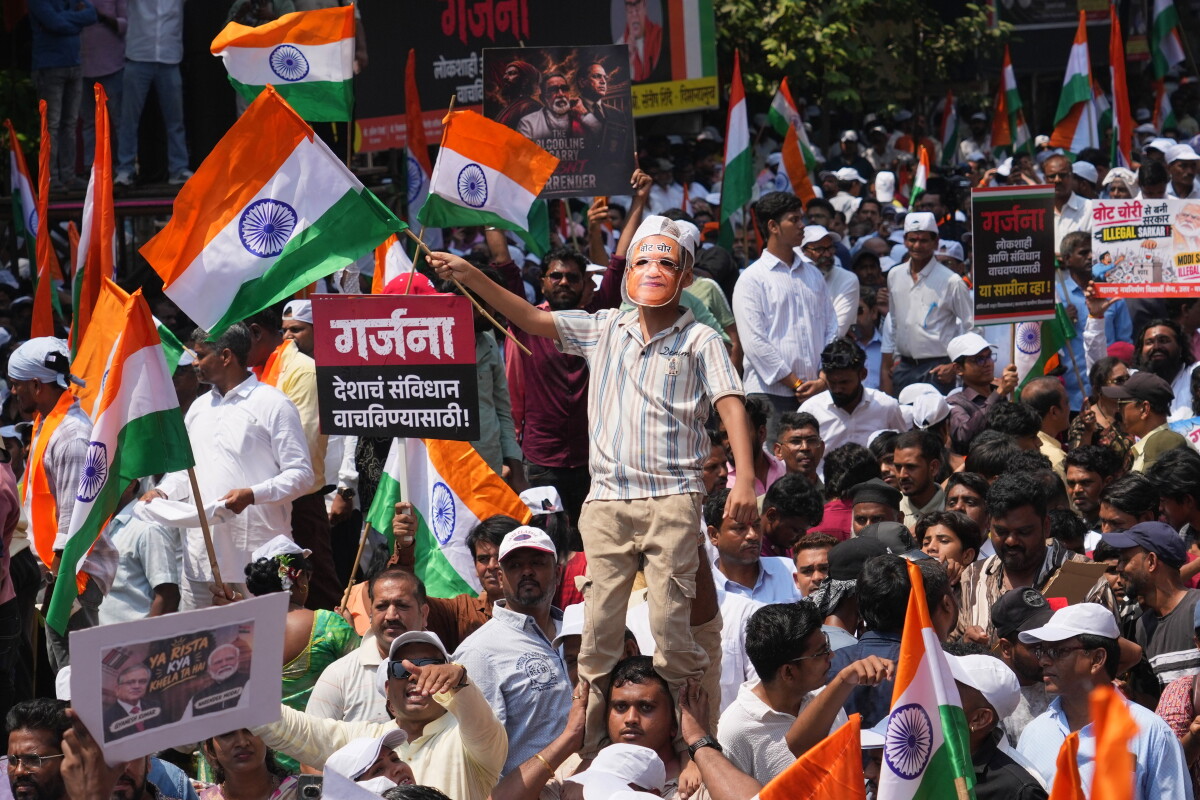
The same principle applies to our young. Young people should question their parents, teachers, governments and inherited beliefs. That is how societies learn and evolve. But they must also learn to question the movements that claim to speak for them. Anger can awaken a conscience; it cannot substitute for one. Passion can challenge injustice; it cannot make every action just.
And perhaps this is where our responsibility as a society begins. We must teach our children to think, not merely to take sides. To examine history, not merely inherit its grievances. To defend the right of those with whom they disagree to speak, because that is the real test of whether they believe in freedom. Above all, we must give them something more enduring than outrage: the capacity to build, the courage to question and the humility to accept that they may be wrong.
I do not believe every agitation leads to extremism. I do not believe every radical idea is dangerous, or every established order deserves to survive. Sometimes, it is the system that needs to change. Sometimes, the protest exposes a truth that those in power would rather not confront.
The challenge is to distinguish between the courage to challenge authority and the arrogance of believing that one’s own cause must never be challenged. That distinction matters more than ever.
History warns us about what happens when people stop asking questions. The more immediate question is whether we have the courage to keep asking them—even when the questions unsettle our own side. Because the moment we stop questioning those who claim to fight for us may be the moment we begin to lose the freedom they promised to defend.
In musing….. Shakti Ghosal

