

Will we compete with machines, or learn to work with them?
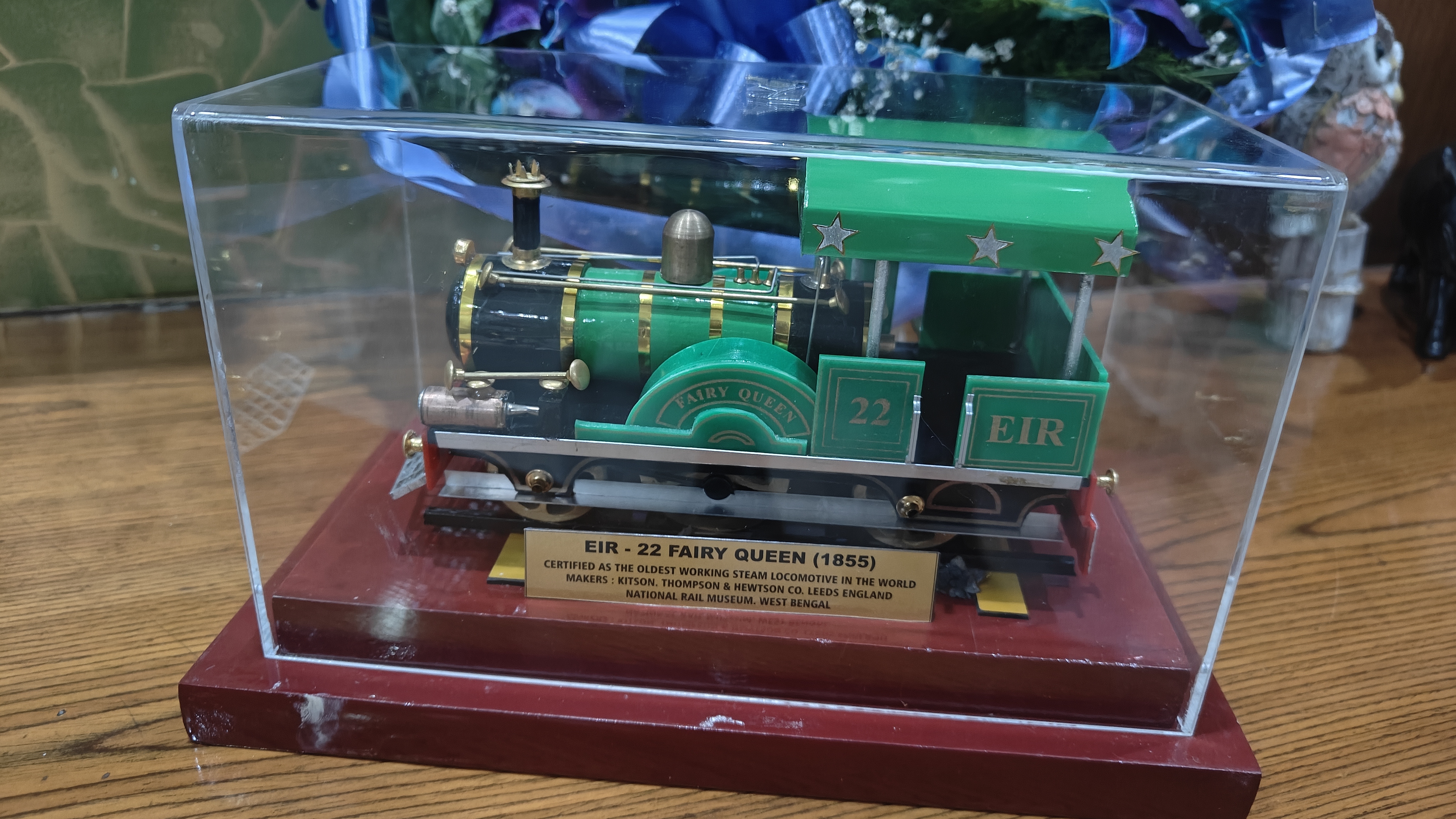
Early in my career as an Assistant Mechanical Engineer (Heavy Repairs) at the Itarsi Diesel Electric Locomotive Maintenance Workshop, I encountered a problem that used to trouble me. A small engine component called the equalizing yoke would frequently break, sometimes resulting in locomotive failures while the engines were in service.
What puzzled me was that the maintenance records showed no obvious cause for concern. The component had been found satisfactory during scheduled repairs, yet it could fail soon afterwards. I had no convincing answer to why this was happening.
Looking back, I often wonder whether AI, with its ability to analyse maintenance histories, operating conditions and patterns of component failures, could have helped us identify the early warning signs. Perhaps it could have enabled us to anticipate failures that conventional maintenance records and inspection routines could not explain. That is one of the possibilities that makes AI particularly exciting for Indian Railways.
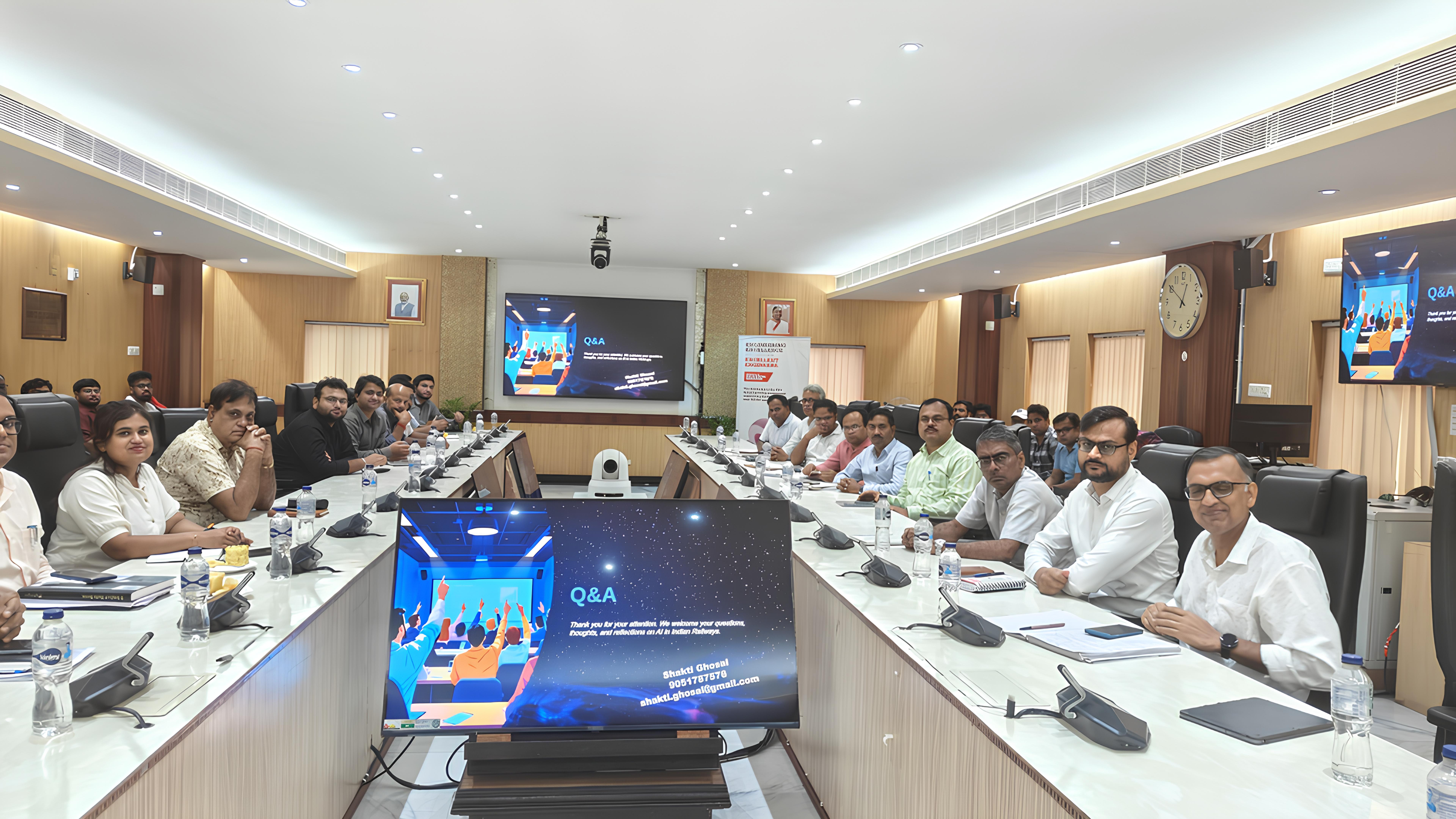
Now, years later, I returned to this world of engineering in a different capacity. Yesterday, I conducted a seminar on Artificial Intelligence: Transforming Indian Railways, at the Eastern Railways Headquarters in Fairlie Place, Kolkata. The seminar was well attended by Railway Engineers and we had the opportunity to explore how AI could help the organisation move from reactive operations to predictive intelligence. From anticipating equipment failures to improving safety and punctuality, the opportunities are considerable. But one intervention during the seminar stayed with me.
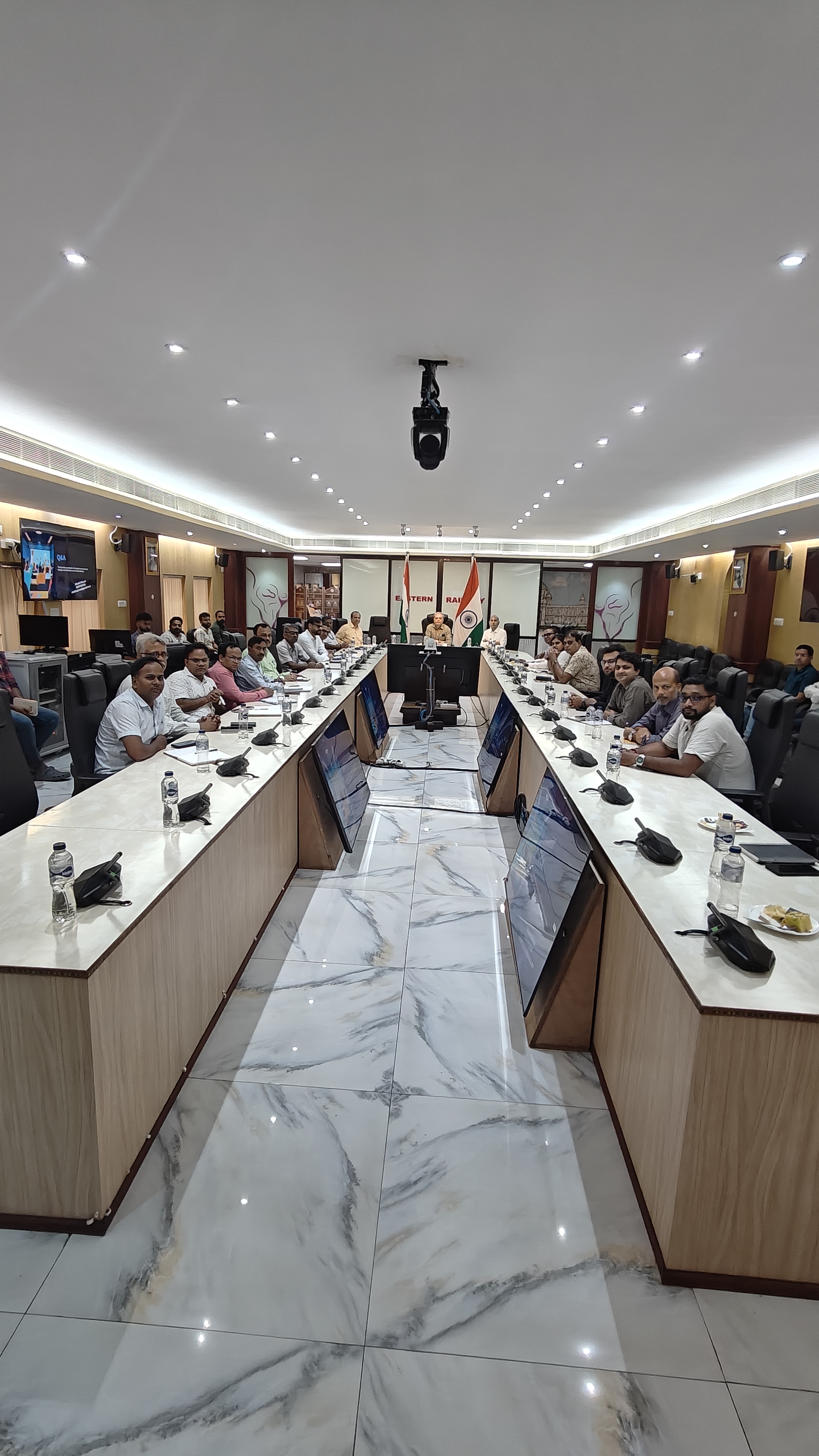
A senior railway engineer expressed his strong conviction that AI would lead to a massive loss of jobs. It is a legitimate concern. Technology does disrupt established roles, and we should not underestimate the challenges of transition. But I believe we need to ask another question: ‘Are we looking at AI only as a threat to employment, or also as an opportunity to upgrade human performance?’
Consider my experience with the equalizing yoke. An engineer brings practical knowledge, experience and an understanding of how locomotives behave under operating conditions. AI could add the ability to analyse thousands of maintenance records, correlate failures with operating patterns and identify relationships that might otherwise remain hidden.
The engineer asks the right questions, evaluates the findings and decides what action is required. AI helps uncover what might have been missed. This is the real opportunity: AI as a force multiplier, not merely a replacement for human effort.
For Indian Railways, the challenge is twofold. It must scale up AI applications across safety, security, maintenance and operations. Equally important, its people must develop AI competence relevant to their respective domains. Not every railway professional needs to become an AI expert. But every professional should understand how AI can help them do their job better. This calls for a shift in mindset—from protecting existing ways of working to continuously upgrading our capabilities; from competing with technology to collaborating with it.
AI is not infallible. Its findings must be validated, particularly in a safety-critical organisation. The objective is not to surrender human judgement to machines, but to combine experience with better information and more powerful analytical capabilities.
The lesson extends well beyond Indian Railways. Across professions, the future will demand continuous learning, organisational support and a willingness to question familiar practices. Perhaps, then, the most useful question is not simply, “How many jobs will AI replace?” It is : “How many problems that have puzzled us for years could we solve if we learnt to work intelligently with AI?”
I think back to that small equalizing yoke at Itarsi. At the time, I had maintenance records, engineering knowledge and experience—but no satisfactory explanation for a recurring failure. Today, AI offers us new ways of connecting the dots. The technology has changed. The engineering challenge remains the same: to understand why things fail, anticipate problems and prevent them wherever possible. And that, to my mind, is where the real transformation begins.
In musing…… Shakti Ghosal
#ArtificialIntelligence #IndianRailways #FutureOfWork #Leadership #DigitalTransformation #HumanAI Collaboration


Shakti, that was a wonderful presentation and my sincere thanks to you for accepting the invitation on behalf of the IMechE and the Eastern Railway. I was also interacting with the officers in department after quite a hiatus. But I was happy to note that the younger officers are adopting to the change quite well and carrying out small changes in their own ways to bring about improvements in the various aspects of the challenges they face. One area which was mentioned as also the people bahavior and how their satisfaction index could be improved in the day to day a working. Whether we could evolve better methods of employee engagement and innovation with the help from AI. Perhaps topic for the next lecture?? Thanks 👍
LikeLike
Dear Sir,
Thank you for your kind acknowledgement of the presentation. Your thought about better methods of employee engagement is excellent. In fact, AI today can support Officers and Managers to don a ‘coach’ hat to support employees in terms of job satisfaction and performance..
Look forward to catching up with you at JMP.
Regards
Shakti
LikeLike
Shakti, what a wonderful illustration of the possibilities that emerge when human experience and artificial intelligence work together rather than in opposition. Your equalizing yoke is such a compelling example because it reminds us that even the smallest unanswered questions can have enormous consequences. What particularly resonates with me is your emphasis on the human capacity to ask meaningful questions, exercise discernment, and take responsibility for the answers. AI may vastly expand what we are capable of knowing, but what we choose to do with that knowledge remains a profoundly human responsibility. Perhaps the greatest transformation will come not simply from making our intelligence more powerful, but from becoming wiser in how we use it. 🙏🌺
LikeLike
Ther way I see the advent of AI is this.
We need to shift our mindset from one of insecurity and fear to one of seeking opportunities that show up for each one of us because of AI.
LikeLiked by 1 person
That’s what I do! Works for me. It’s like having a stack of encyclopedia as high as the sky. And there are other uses also.. you make a good point.
LikeLike
From What one reads on AI coming out of various sources including the leading organizations in development of AI are the possible dangers of it becoming a Frankestein. Governments are talking about creating bodies that will ensure the safeguards of its not becoming a destructive force rather than helper. Let’s hope it will remain a technological advancement for human benefit and not reverse.
LikeLiked by 1 person
What you say is indeed of concern. And that is why organisations using AI are installing certain guard rails. What I suppose is needed is to embed needed guardrails within the AI architecture itself. My sense is this would happen over time. Otherwise, as you say, AI does have the potential to become a Frankestein.
LikeLike