……societies change not because they have become wiser but because they become preoccupied with different anxieties.
August 2026
Nineteen years. That is long enough for a child to become an adult. It is also long enough for governments to rise and fall. Long enough for a city to forget the sound of its own anger.
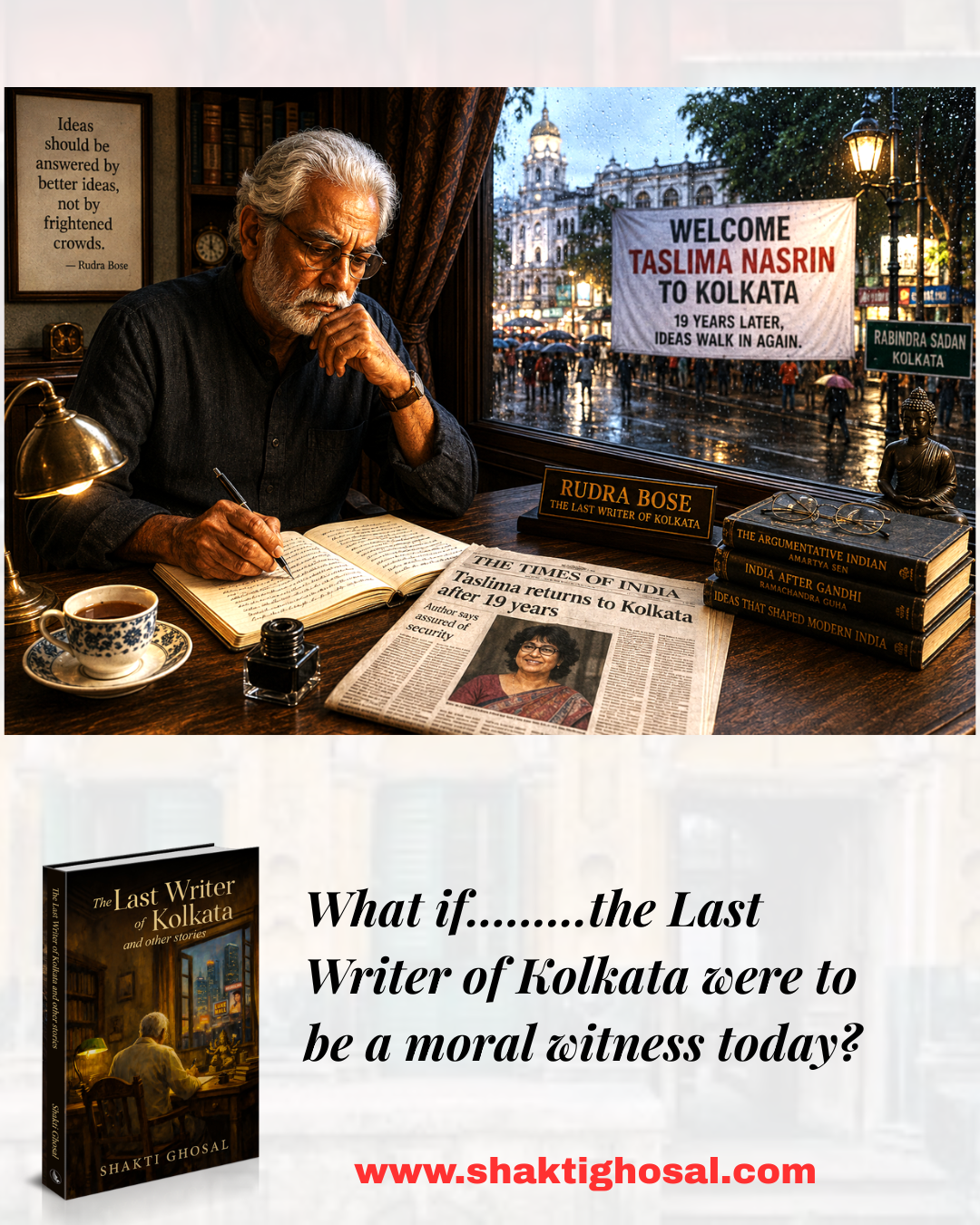
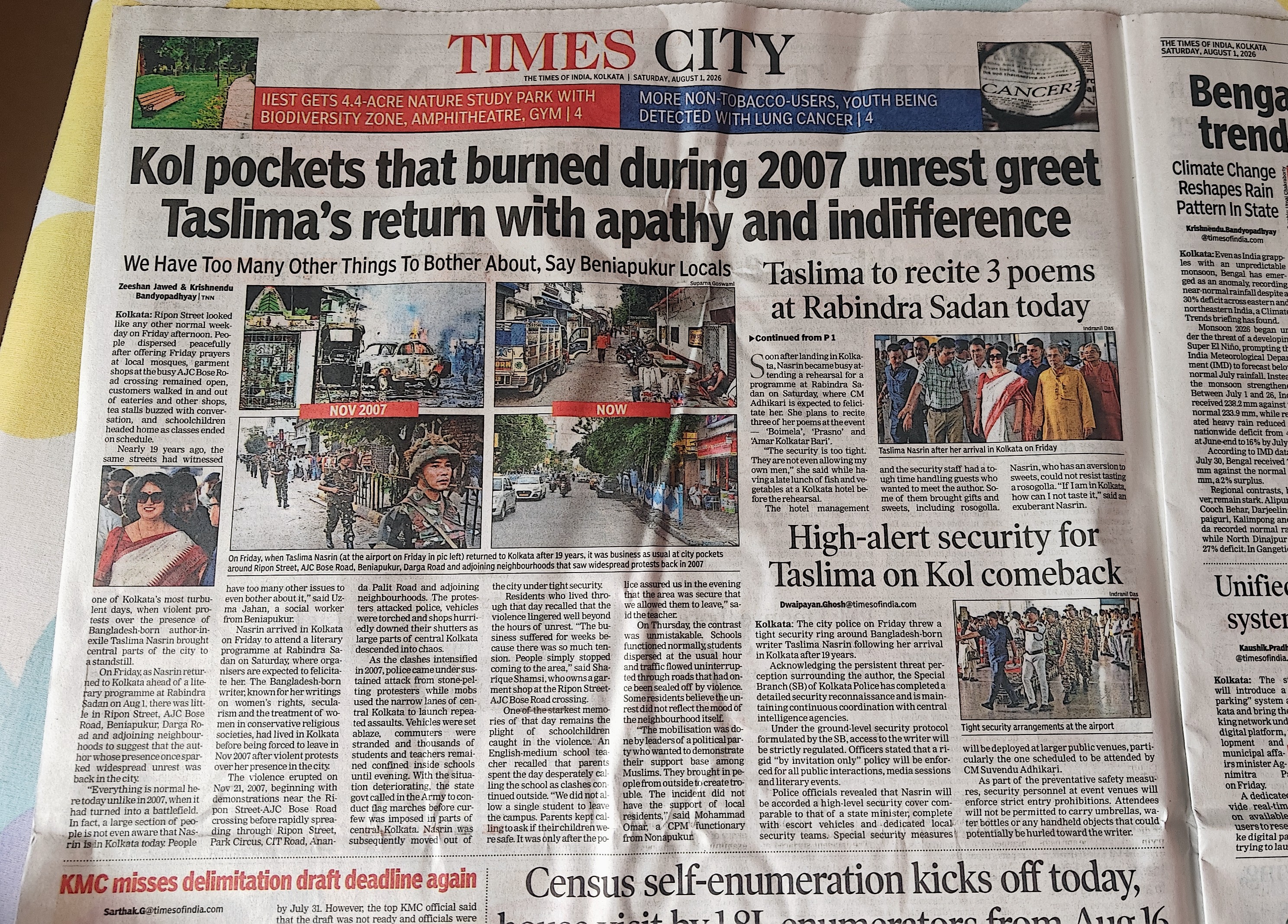
The other day, the newspaper told me that Taslima Nasrin has returned to Kolkata after nineteen years. The same city that once burned over her presence now seems to have greeted her mostly with routine, security cordons and a curious indifference.
Talima Nasrin report in the Newspaper
It made me wonder. What has really changed? Did we become more tolerant? Did we finally learn that books and what is written within need not be answered with barricades? Or have we simply acquired newer fears that leave us with less energy for old ones?
Perhaps every generation chooses its own battles. Yesterday it was identity. Today it is jobs, examinations, inflation, technology, security and an uncertain future. The loudest outrage of one decade quietly becomes yesterday’s headline.
As I folded the newspaper, I realised that a mature society is not one where everyone agrees. It is one where disagreement no longer needs to be escorted by violence. If Kolkata has truly changed, the victory does not belong to any government, any ideology or any writer.It belongs to the simple belief that ideas should be answered by better ideas, not by frightened crowds.
That is how civilisation grows—almost unnoticed, one quieter street at a time.
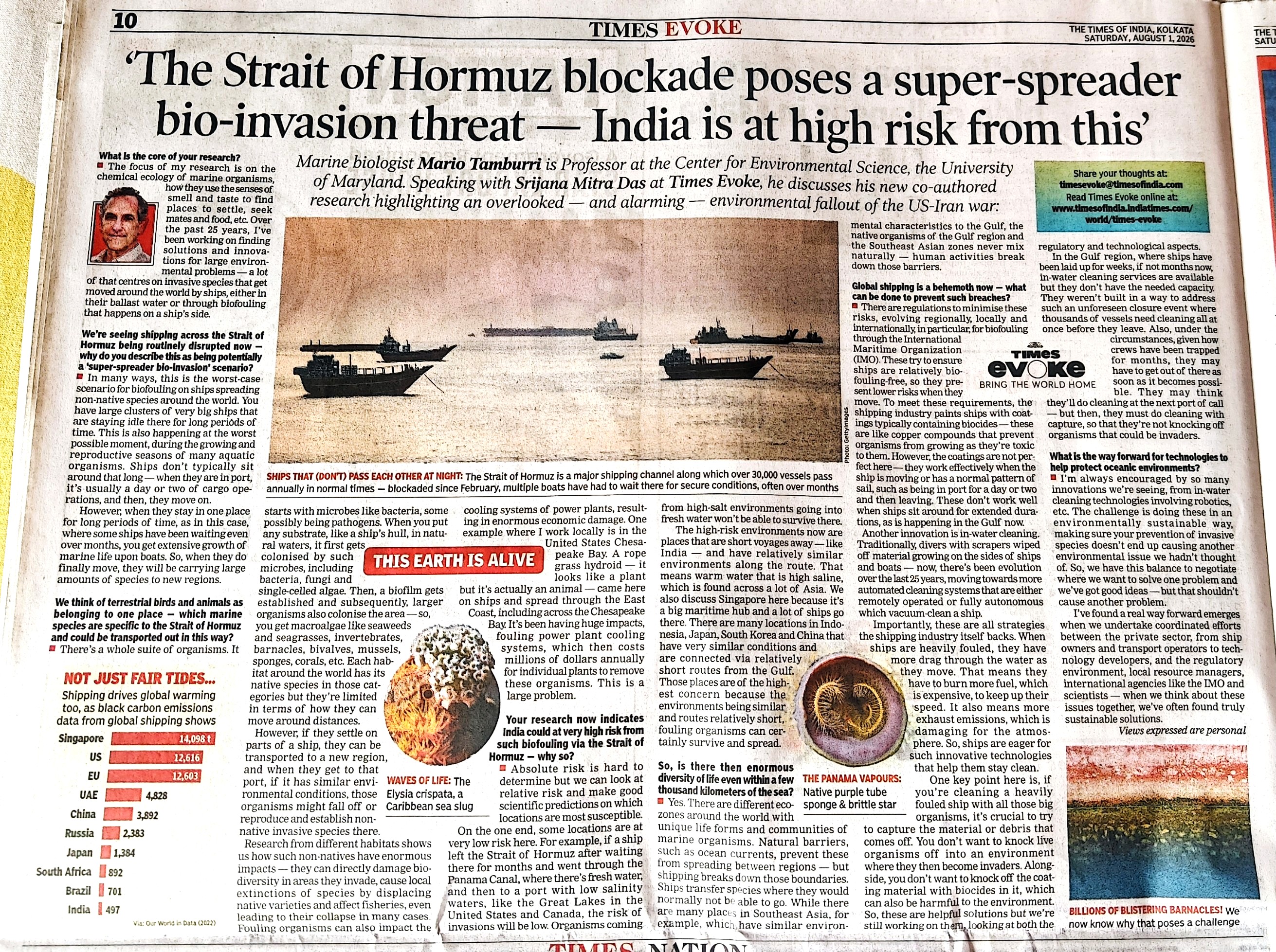
A newspaper report I read the other day literally stopped me in my tracks. It spoke about an unexpected consequence of the geopolitical tensions around the Strait of Hormuz. As ships remain berthed for prolonged periods, marine scientists are warning of an increased risk of invasive organisms hitching a ride across oceans, disrupting ecosystems thousands of kilometres away. At first glance, it appeared to be a story about shipping and marine biology. But as I read further, I realised it was really a story about something much larger.
A Times of india report
Nature rarely responds in straight lines. A political conflict can become an environmental risk. A delay in maritime traffic could alter the movement of microscopic life. Human decisions in one corner of the world quietly reshape ecosystems in another.
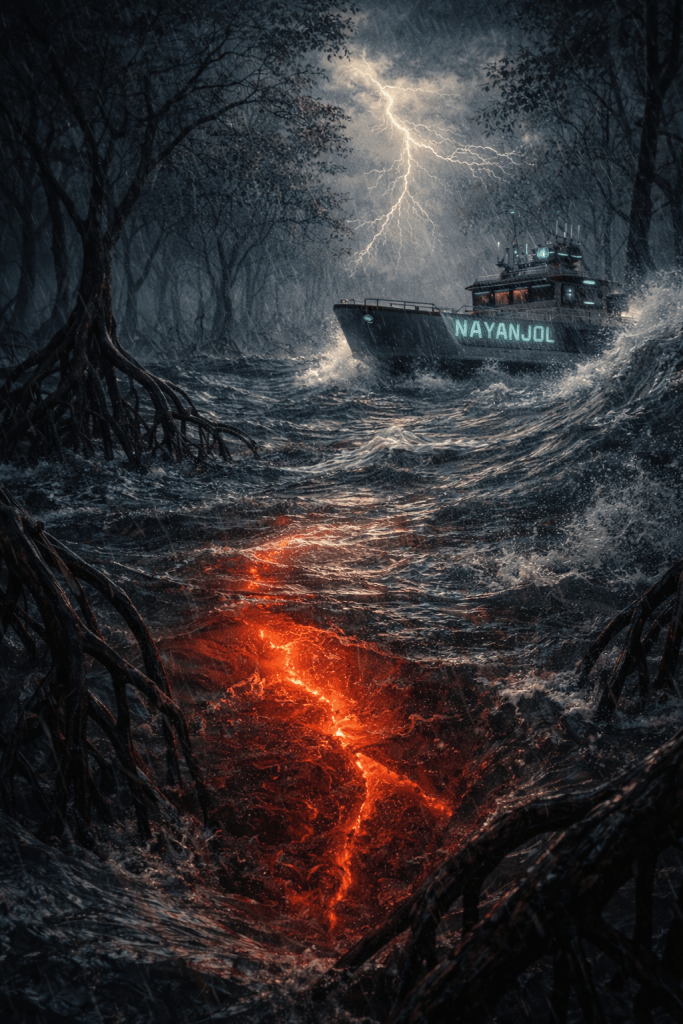
While writing 2056: The Year of Water and Fire, I had found myself returning repeatedly to this thought. We often imagine climate change as a sequence of visible catastrophes—cyclones, floods, rising seas. Yet the more profound transformations are often quieter. Species migrate. Rivers redraw themselves. New ecological relationships emerge. Life adapts in ways we neither anticipate nor fully understand. Toward the end of the story, after a devastating cyclone had rewritten the geography of the Sundarbans, the first instinct of the survivors was despair. But when the dronobots began mapping the devastation, they uncovered something unexpected. Amid the destruction, nature was already experimenting. Islands were shifting. Mangroves were finding new footholds. Wildlife was adapting. The ecosystem, scarred but alive, was quietly reorganising itself for a different climate. It was neither revenge nor redemption, it was recalibration.
That thought had stayed with me because it challenges one of our deepest assumptions. We often speak of “saving nature,” as though it were a fragile object waiting for human intervention. History suggests something more humbling. Nature has an extraordinary capacity to reinvent itself. It is we who struggle to keep pace with the consequences of that reinvention.
Perhaps the real lesson is this. The future will not unfold as a neat extension of the present. It will emerge through countless interactions we barely notice today—between politics and ecology, technology and biology, human ambition and planetary resilience.
In 2056, Nayanjol, the sentient boat, eventually becomes more than a machine. He becomes a guardian who understands that survival does not lie in resisting nature, but in learning to listen to it.
Maybe that is the question our own times are quietly asking. Not whether nature will adapt. But whether we will.
There are some dates on the calendar that quietly gather meanings over a lifetime. For me, 20th July is one of them.
As a child in Delhi, I was fascinated by the Second World War. That fascination began at home. My father had an extraordinary gift for storytelling, and through his words I travelled to battlefields, cities in ruins and moments when the fate of the world seemed to rest on the decisions of a handful of people. Those stories led me to books, documentaries and films, and much later, to Berlin itself.
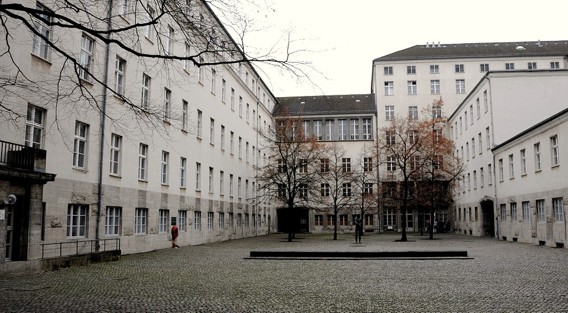
Over the years, I visited Berlin many times. Once, I even stayed in what had once been East Berlin, long after the Wall had disappeared. Yet the city still carried memories that no bulldozer could erase. Every street seemed to whisper history. Years ago, I wrote a blog titled Those Faces of Berlin (https://esgeemusings.com/2013/04/01/those-faces-of-berlin/ ) , reflecting on that remarkable city and, among other things, the failed attempt by Claus von Stauffenberg and his fellow conspirators to assassinate Hitler with a bomb hidden in a briefcase on 20th July 1944.
Operation Valkyrie failed. Hitler survived. Many of those who dared to resist paid with their lives. Yet what has stayed with me is not merely the failure of the plot but the courage behind it. Sometimes history remembers victories. Sometimes it remembers those who knew they would probably lose, yet chose to act because conscience demanded nothing less.
Bendlerblock, Berlin – Where the conspirators were executed
Exactly twenty-five years later, on another 20th July, humanity wrote a very different chapter.
I was a small boy then. I still remember my father listening intently to the live broadcast of the Apollo 11 Moon landing on the Voice of America. Later that day, we went to the United States Information Service near Mandi House in New Delhi to see the full-size replica of the Lunar Module. Like countless others of my generation, I stared at it in wonder. For days afterwards, our classroom conversations revolved around rockets, astronauts and a future that suddenly seemed limitless. Even 2001: A Space Odyssey, set what then felt like the distant future, no longer appeared to be science fiction.
Decades later, I travelled to that Mecca of Space travel, NASA’s Kennedy Space Center at Cape Canaveral. For me the trip was a pilgrimage in more sense than one. As I roamed between the life size models of the Saturn V rocket, the command and the lunar modules of the Apollo program, my mind once again went back to the 20th July of more than half a century back. I also came to know of the Artemis program tasked to once again send Man to the Moon. I wrote a blog on that visit : https://esgeemusings.com/2022/05/19/the-children-of-zeus/
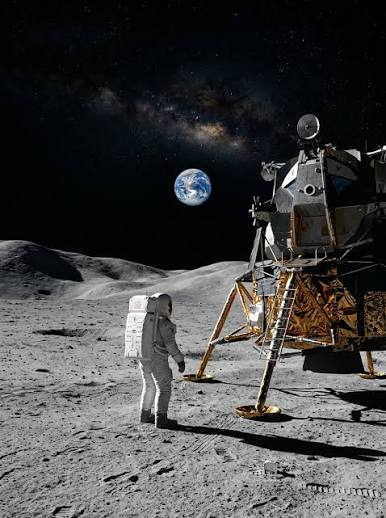
Apollo 11 Lunar Module on the moon
It strikes me that these two events, separated by a quarter of a century yet sharing the same date, reveal the astonishing range of the human spirit.
On one 20th July, people risked everything to rid the world of tyranny. On another, human beings stepped onto another world altogether.
One date reminds us of humanity’s darkest impulses. The other celebrates its brightest possibilities.
Perhaps that is why every year, when 20th July arrives, I think not only of history but also of choice. We are capable of building dictatorships, and we are capable of building spacecraft. We can choose fear, or we can choose courage. We can remain trapped by our past, or we can reach for horizons that once seemed impossible. History does not merely tell us who we were. It quietly asks us who we wish to become.
What does 20th July evoke for you—a lesson from history, or a reminder of humanity’s endless capacity to dream?
Or perhaps, more truthfully… The Night Football Taught Me One Last Lesson
For days, the build-up had been impossible to escape. Argentina versus Spain, the reigning World Champions against the reigning European Champions. Kolkata itself seemed to be preparing for battle. Giant screens were being erected across the city, clubs announced that their bars would remain open well past midnight, and even the Chief Minister joined the excitement by supporting public screenings across the districts.
My wife and I prepared with equal seriousness. Dinner was served early. Television was politely ignored. We even resisted the temptation of “just one episode” of our favourite series. Sleep was carefully scheduled like a military operation. For once, my biological clock decided to cooperate. I woke up five minutes before the alarm, feeling rather pleased with myself. If only Argentina had been equally punctual…….
From the opening whistle, Spain looked every inch the team we had admired throughout the tournament. Their passing was crisp, their movement effortless and their control of the midfield almost hypnotic. Watching Rodri and company was like watching expert chess players move pieces three moves ahead.
Argentina, on the other hand, looked strangely burdened. The flowing football that had carried them to the final had vanished. Passes went astray. Clearances seemed to arrive at Spanish feet with remarkable generosity. Creativity had apparently decided to sleep in, unlike me. The longer the match went on, the stranger it became. This was supposed to be a feast, instead, it felt like waiting for fireworks that stubbornly refused to ignite. Only one man seemed determined to keep Argentina alive, Emiliano Martínez, the Goal Keeper. Save after magnificent save, he single-handedly prevented the scoreline from becoming embarrassing. Had the trophy been awarded to goalkeepers alone, the ceremony could have ended much earlier.
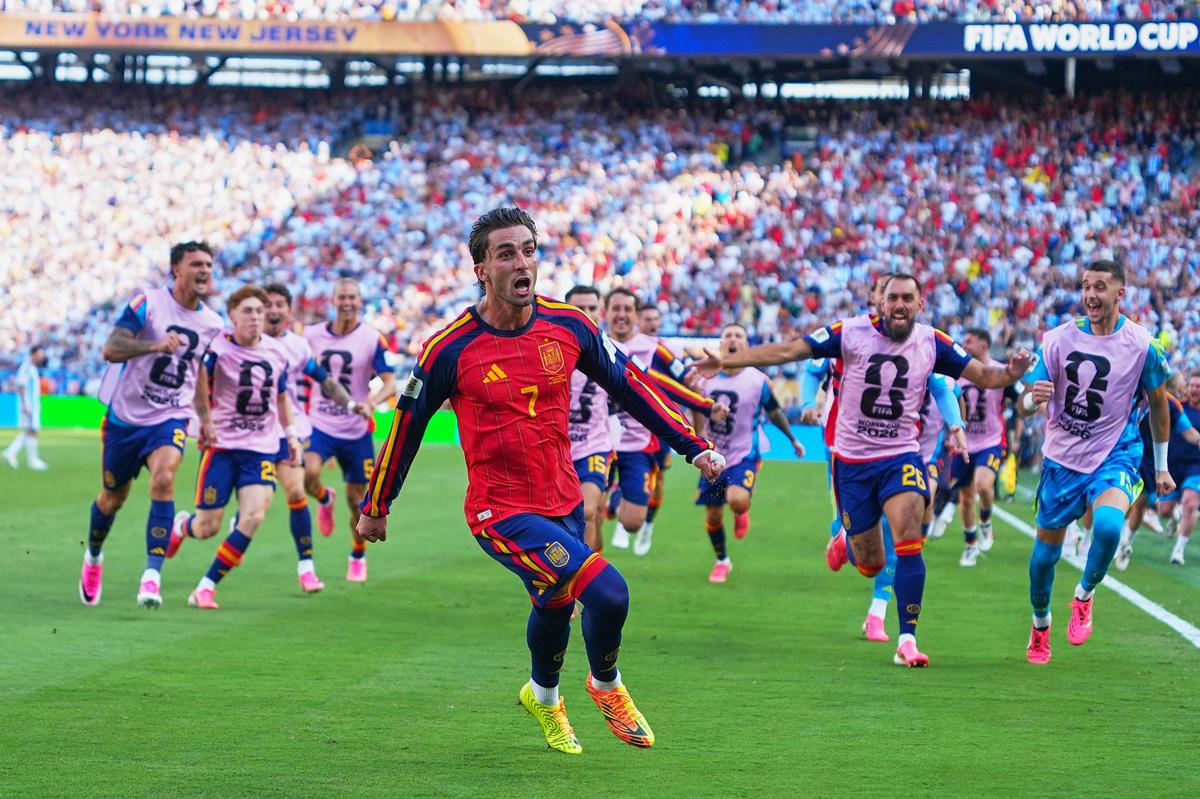
Half-time came. Then full-time. Still no goals. Argentina was eventually reduced to ten men after a red card, and one could almost sense the inevitable drawing closer. In the second half of extra time, Ferran Torres finally found the breakthrough that Spain had threatened all night. It proved enough. Argentina launched one desperate final assault. Messi searched for one last moment of magic. Instead, his final effort struck a Spanish defender before the whistle brought an end not just to the match, but almost certainly to one of the greatest World Cup careers football has ever witnessed.
The image that stayed with me was Messi sitting quietly on the turf. Sometimes silence speaks louder than celebration. As I finally went back to bed at nearly four in the morning, I realised that football had once again wandered into philosophy. Every once in a while, we meet someone—or some team—that is simply better on that particular day. There is no shame in acknowledging excellence. In fact, there is wisdom in it. Spain didn’t win because Argentina failed. Spain won because they played almost the perfect tournament. And perhaps that is the hardest lesson of all. Not every disappointment is the result of our shortcomings. Sometimes, someone else simply deserves the applause……
Even if, somewhere in Kolkata, two sleep-deprived football fans quietly wished the ending had been different.
When I wrote 2056: The Year of the Water and Fire, I imagined a Bengal where climate change was no longer an environmental issue. It had become a way of life.
This newspaper report made me pause.
It says that Kolkata now loses around 80 hours of sleep every year because of rising night-time temperatures. Think about that for a moment. Climate change is no longer confined to distant glaciers, rising seas or violent cyclones. It is quietly entering our bedrooms, stealing our sleep, affecting our health, our emotions, and perhaps even the way we think.
The future, I have often felt, rarely announces itself dramatically. It arrives in small, almost unnoticed ways.
A warmer night. A little less sleep. A little less patience. A little more fatigue.
Until one day, we realise that what we once called unusual has quietly become normal.
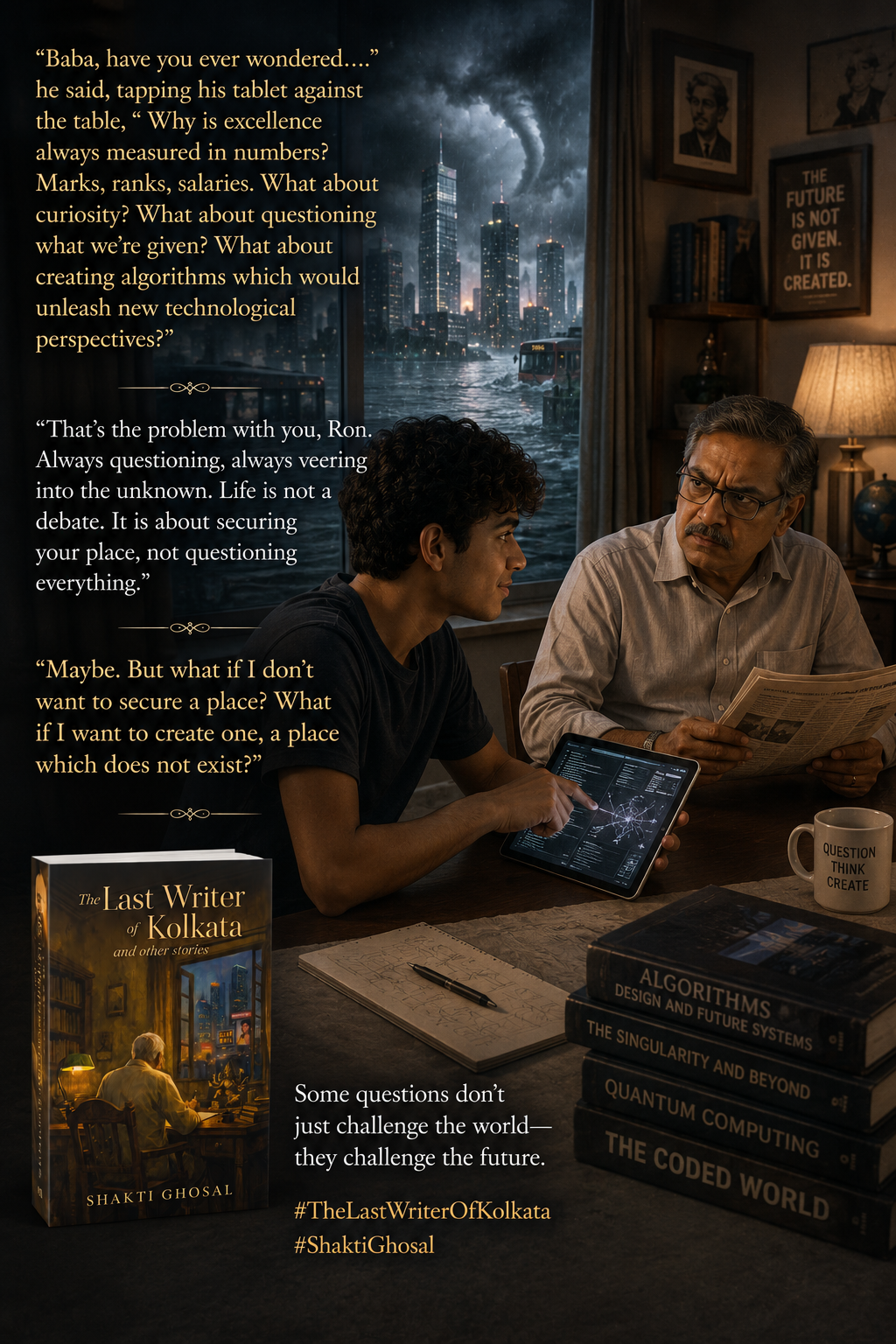
In 2056: The Year of the Water and Fire, I explored what might happen when rising waters, stronger storms and changing climates begin to reshape not just our landscape, but our choices, our communities and our humanity.
Perhaps the greatest lesson is this:
Climate change is no longer about saving the planet. It is about preserving the quality of human life on it.
The Earth will endure.
The question is whether we will learn to adapt before adaptation is forced upon us.
When Fiction Meets Foresight: A Reflection on The Last Writer of Kolkata and Other Stories based on the BCG Henderson Institute report.
Author – ABCGConsultant ( namekeptconfidential)
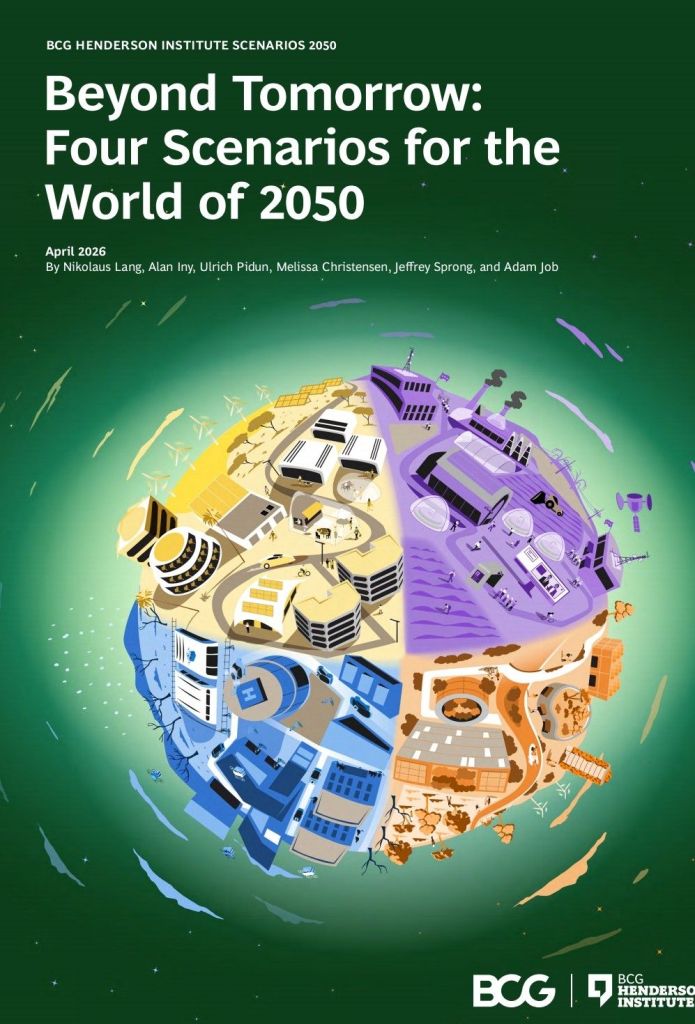
Reading the ‘Last Writer of Kolkata and other stories’ in the context of BCG Henderson Institute’s Beyond Tomorrow: Four Scenarios for the World of 2050 produces an unexpected sensation. I can confirm that the report is the product of rigorous analysis of megatrends, historical data and expert interviews. Shakti Ghosal’s book is speculative fiction. Yet both seem to be looking at the same horizon.
The BCG report reminds us that “the decisions leaders make over the next 5 years will shape the next 25.” It does not attempt to predict the future. Instead, it explores plausible futures emerging from forces already visible today. The four stories in this collection do something remarkably similar.
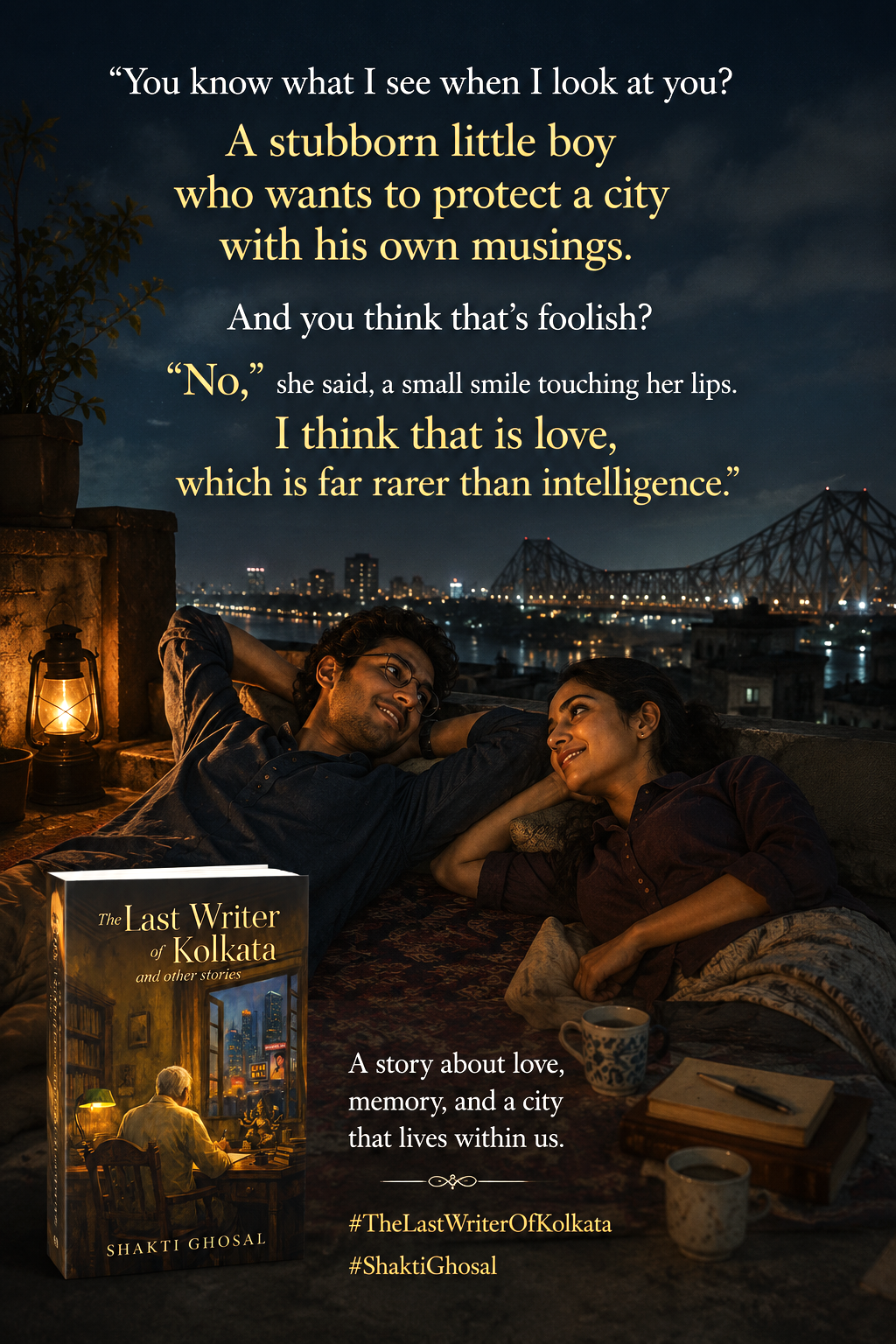
Consider TheLastWriterofKolkata. BCG’s “AI Abundance” scenario describes a world where AI transforms work, creativity and identity, leaving people searching for “meaning and identity beyond employment.” The ageing writer Rudra Bose inhabits a future shaped by a similar question. If machines can write, create and remember, what remains uniquely human? The story is not really about technology. It is about dignity, relevance and the stubborn human need to leave behind a voice that matters.
The Last Writer of Kolkata
In EchoChamber, technology enters an even more intimate space—memory itself. The BCG report warns that future societies may trade elements of personal freedom for stability, efficiency and social cohesion. The story asks a disturbing question: If our memories can be edited, curated or manipulated, what becomes of our identity? Memory, after all, is not merely a record of our lives. It is our life.
Echo Chamber
The environmental anxieties running through 2056: TheYearofWaterandFire find an echo in BCG’s climate scenarios. The report speaks of a world facing “stress on food and water systems” and increasingly extreme weather. The story translates those trends into human experience. Climate change is no longer a scientific projection; it becomes a force that shapes survival, migration and moral choices.
2056 The year of the Water and Fire
Perhaps the most poignant parallel emerges in WhentheRainRemembered. BCG highlights ageing populations, declining fertility and shifting demographics as defining features of the coming decades. Ghosal imagines the emotional consequences of those trends. The story asks what happens when societies grow older, families become smaller, and loneliness becomes a public condition rather than a private feeling.
When the Rain Remembered’
What makes this collection noteworthy is that it does not offer technological optimism or dystopian despair. Instead, it explores the fragile space in between. Like the BCG report, it understands that the future is not a destination but a series of choices.
The greatest compliment one can pay The Last Writer of Kolkata and Other Stories is this: the book does not feel like fiction written about tomorrow. It feels like tomorrow trying to speak to us today.
Aditi Chakraborty is part of the editorial team of the Outlook India group. She has recently done a ‘Book of the Month’ review of ‘The Last Writer of Kolkata and other stories.’
Aditi writes:
‘Shakti Ghosal, in his new book ‘The Last Writer of Kolkata and other stories’, draws a fascinating balance between speculative imagination and deep human struggles that the characters endure. It is a book that highlights technological advancement with emotional vulnerability and social disruption.
Interestingly, Shakti’s stories do not begin with technology; they begin with human dilemmas. An ageing couple confronting abandonment. A man wrestling with memory and cultural erasure. A mind questioning engineered conformity. A community facing ecological collapse. Once the emotional conflict becomes clear, the speculative framework grows around it organically. Readers may enter through the futuristic premise, but they remain because the emotional stakes feel recognisable. The future changes settings; it does not abolish vulnerability.
Environmental collapse, engineered echo chambers, and optimised living appear throughout the collection. Yet the author emphasises that ‘The Last Writer of Kolkata and other stories’ is a work of fiction and not to be treated as a prophecy. However, he agrees that there is a cautionary dimension. Fictions can illuminate trajectories already visible in the present. For instance, climate anxiety is not speculative. Nor is algorithmic influence speculative. Similarly, the pursuit of frictionless efficiency at the cost of emotional depth is not speculative. These are contemporary realities. What his book allows us to do is emotionally inhabit the consequences before they fully arrive.
Despite the unsettling worlds in the book, there is a recurring emphasis on love, dignity, and human connection at the centre of these narratives. “I do not believe technology, however transformative, can erase the fundamental emotional architecture of being human. Civilisations evolve. Systems collapse. Tools become more intelligent. But a parent’s concern, a child’s longing, the dignity of memory, the need to be seen, the quiet courage of human connection—these remain stubbornly persistent,” he explains. For Shakti, love is not merely sentiment. It is resistance. Dignity is resistance. Choosing connection in increasingly impersonal worlds is resistance. “If my stories contain unsettling futures, it is because I wanted the emotional stakes to feel urgent. But despair alone makes for shallow storytelling. I am more interested in the resilience of tenderness.”
The complete Book of the Month review in Outlook India can be found here.
Yesterday’s storm in Kolkata was not merely weather. It was a warning.
87 kmph winds. Uprooted trees. Flooded streets.
The broken branches would no doubt get cleared. The roads would reopen. And life too will resume its familiar rhythm. But perhaps that is precisely how great changes begin—not as catastrophes, but as interruptions. A little more water. A little more heat. A little more wind. Until one day we realise that what we called “unusual” has become normal.
While writing 2056: The Year of Water and Fire, I imagined a world shaped by rising waters and extreme weather. Yesterday, Kolkata offered a glimpse of that possibility. The future is rarely somewhere ahead of us. Often, it is already knocking at the door.
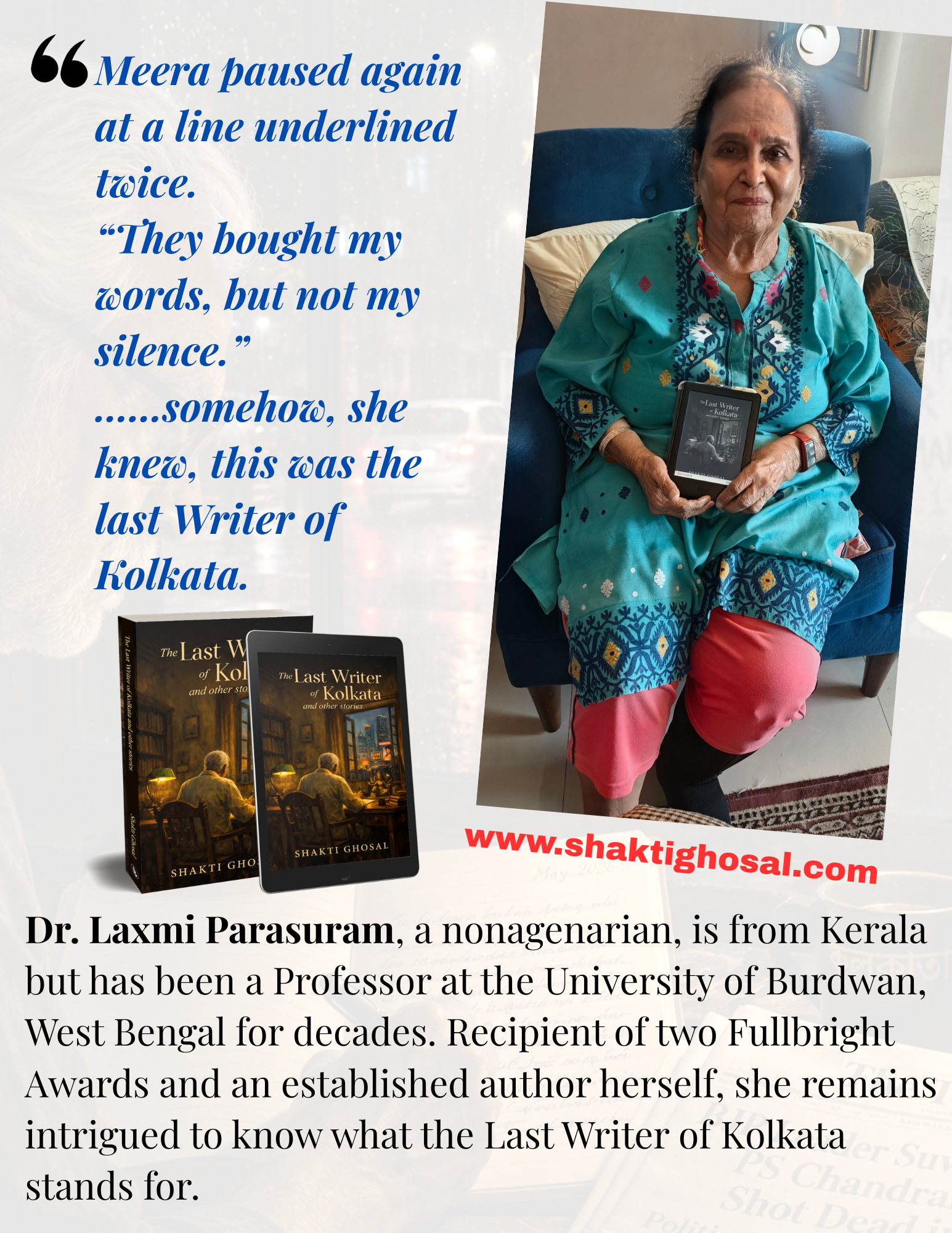
When I met Dr. Laxmi Parasuram to hear her thoughts on The Last Writer of Kolkata and Other Stories, I expected literary observations. What I received instead was a question that lingered.
She spoke of the emotional weight in the stories—the sentiment, the ache, the quiet melancholy. Then she asked, “Why do so many of your stories seem to end sadly?”
The question took me by surprise. I had never consciously thought of these as sad endings. To me, these stories are about ordinary people standing at extraordinary crossroads—where technology, hard trends, and shifting social realities place pressure on the human spirit. In those moments of disruption, what gets tested is not merely survival, but something deeper: memory, dignity, love, identity, silence, moral choice.
And when the protagonists choose to hold on to some irreducible fragment of their humanness—even at a cost—I had seen that not as tragedy, but as resistance. Yet perhaps this is the paradox of our times.
What one person sees as loss, another may see as courage. What appears to be a sad ending may, in fact, be the final refusal to surrender what makes us human.
It made me wonder: Have we become so accustomed to measuring success by comfort, victory, and neat resolutions that acts of emotional fidelity now look like defeat?
Dr. Parasuram’s question stayed with me. And perhaps that is what literature is meant to do—not provide answers but quietly rearrange the questions we ask ourselves.
Four futures. Four hard truths. And the fragile choices that still make us human.
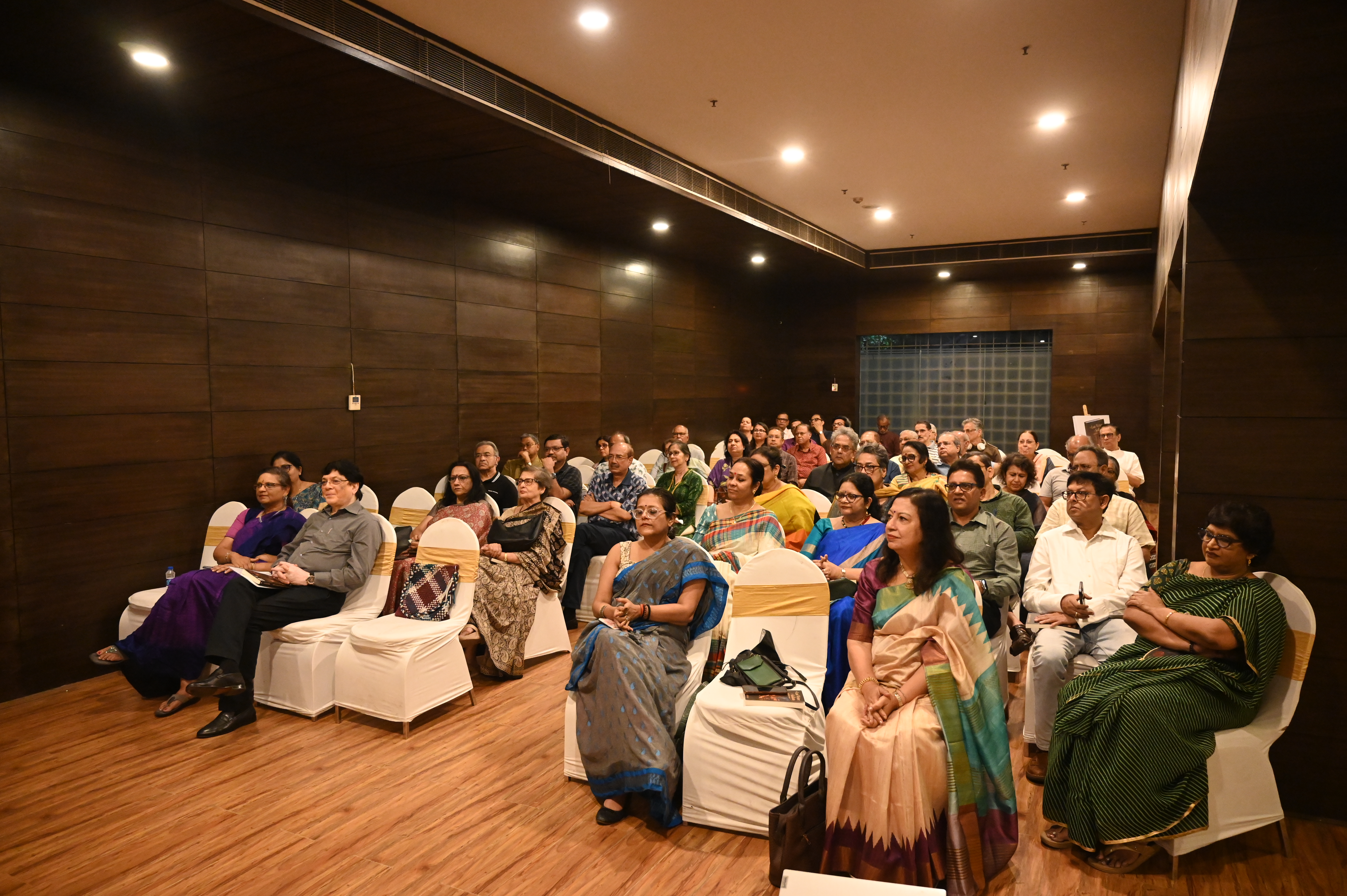
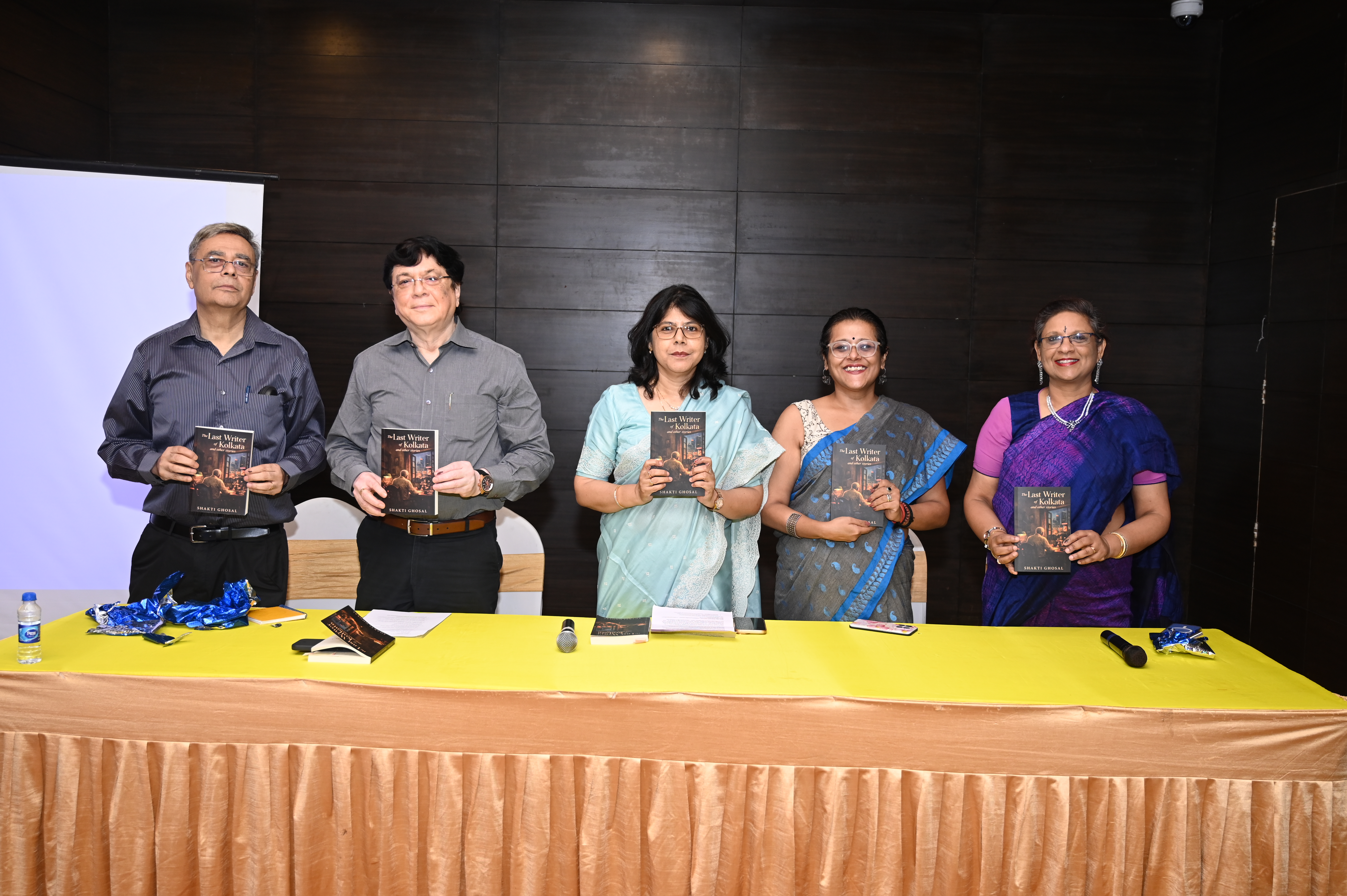
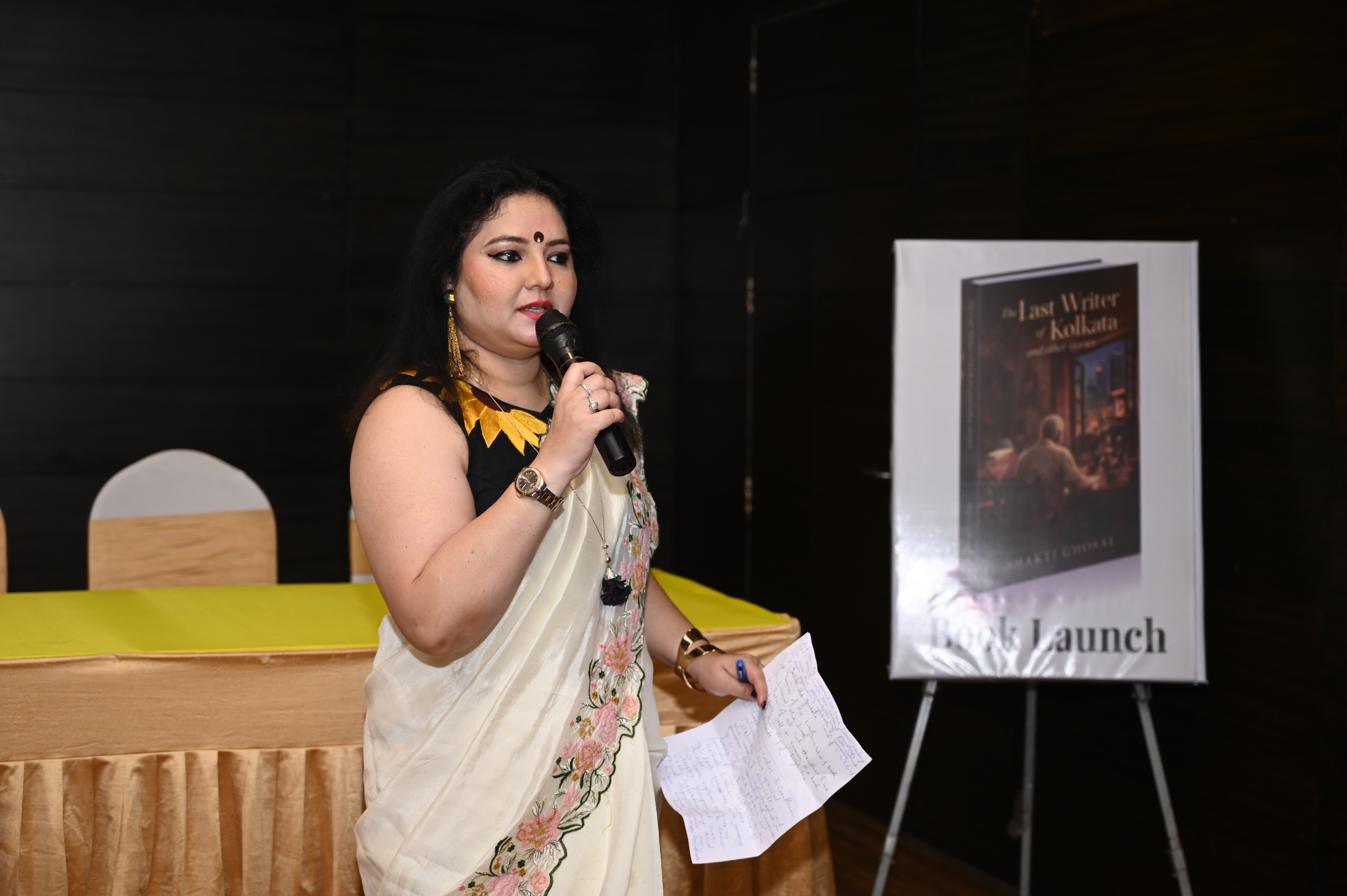
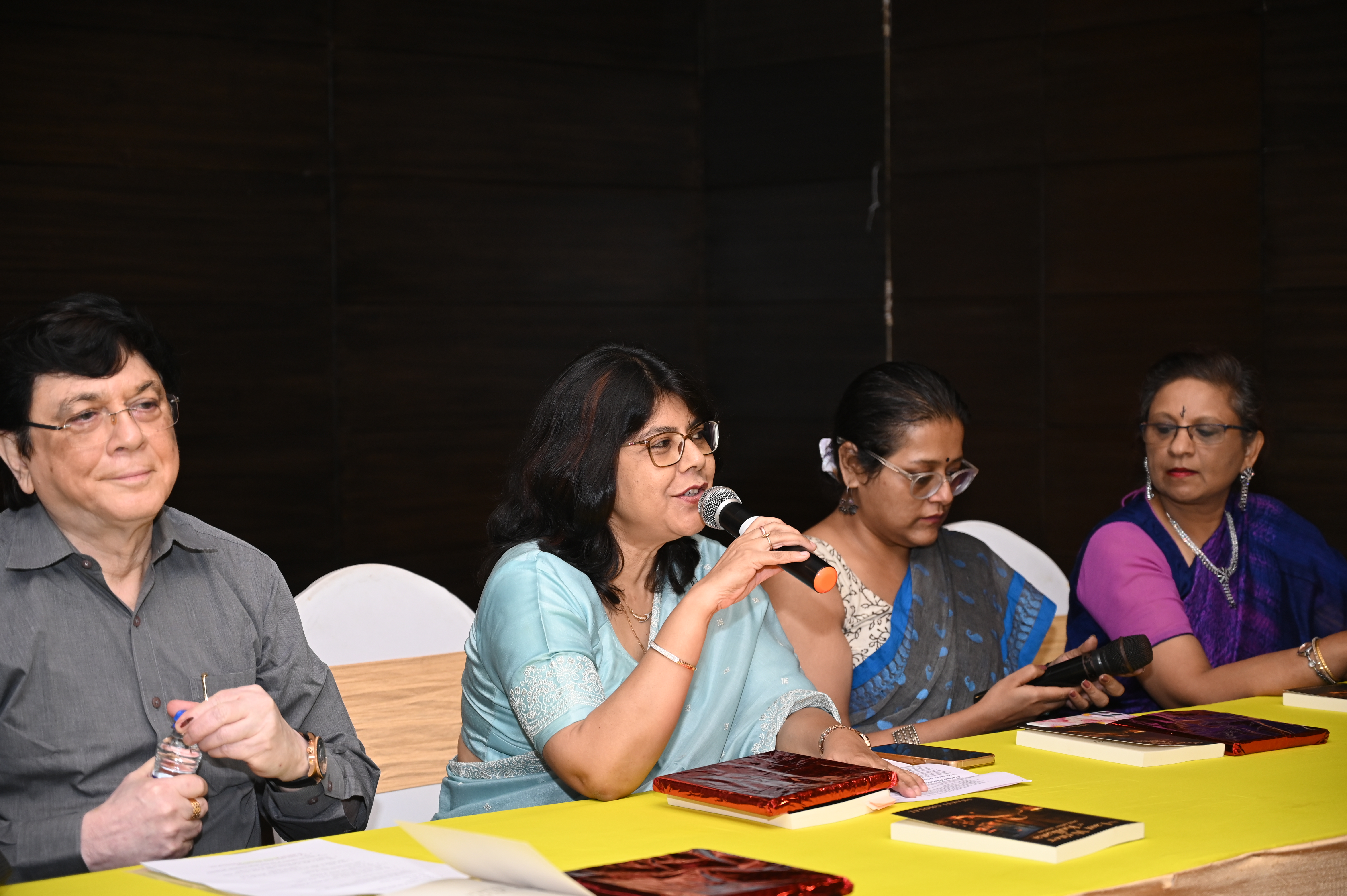
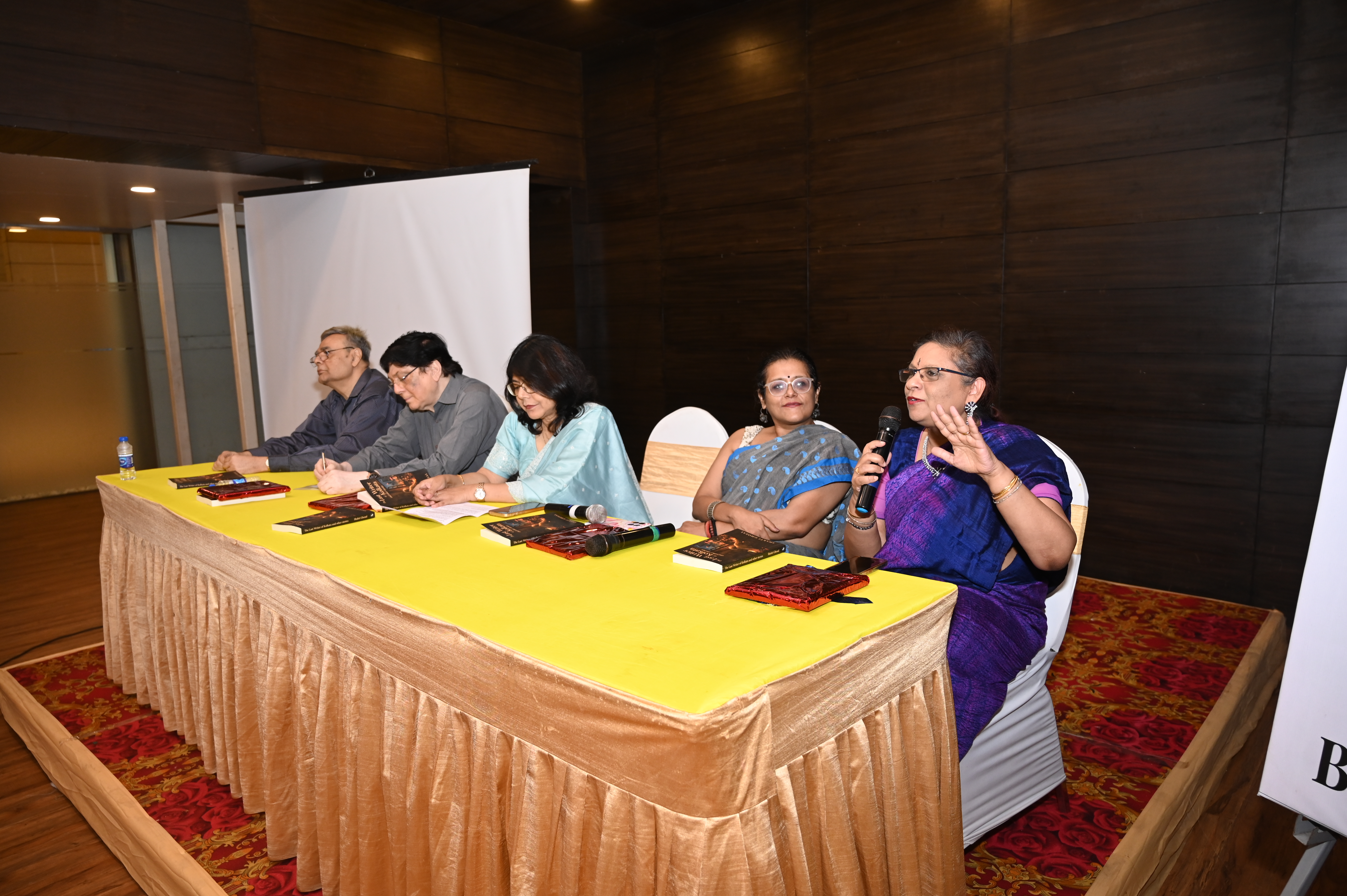
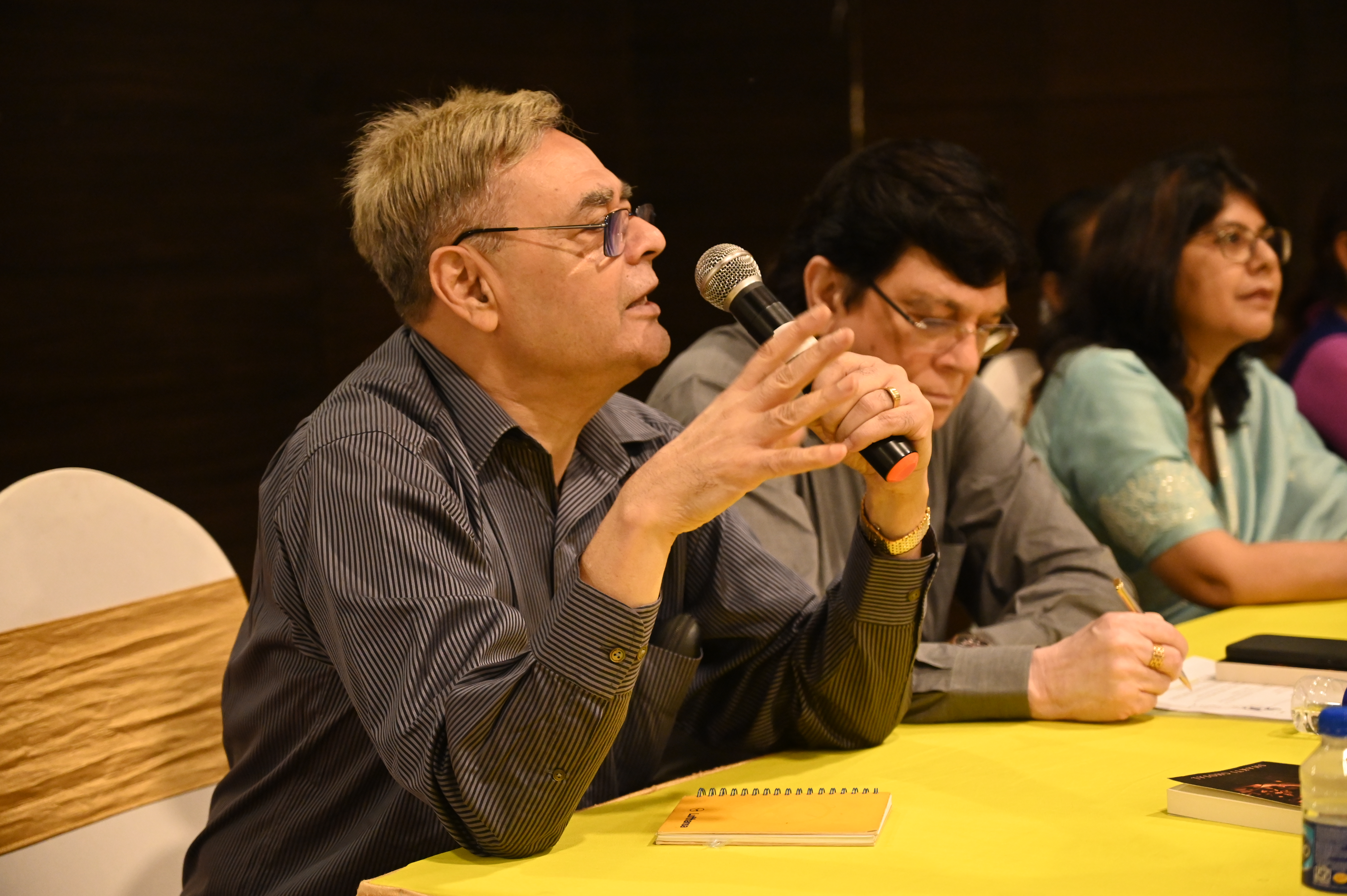
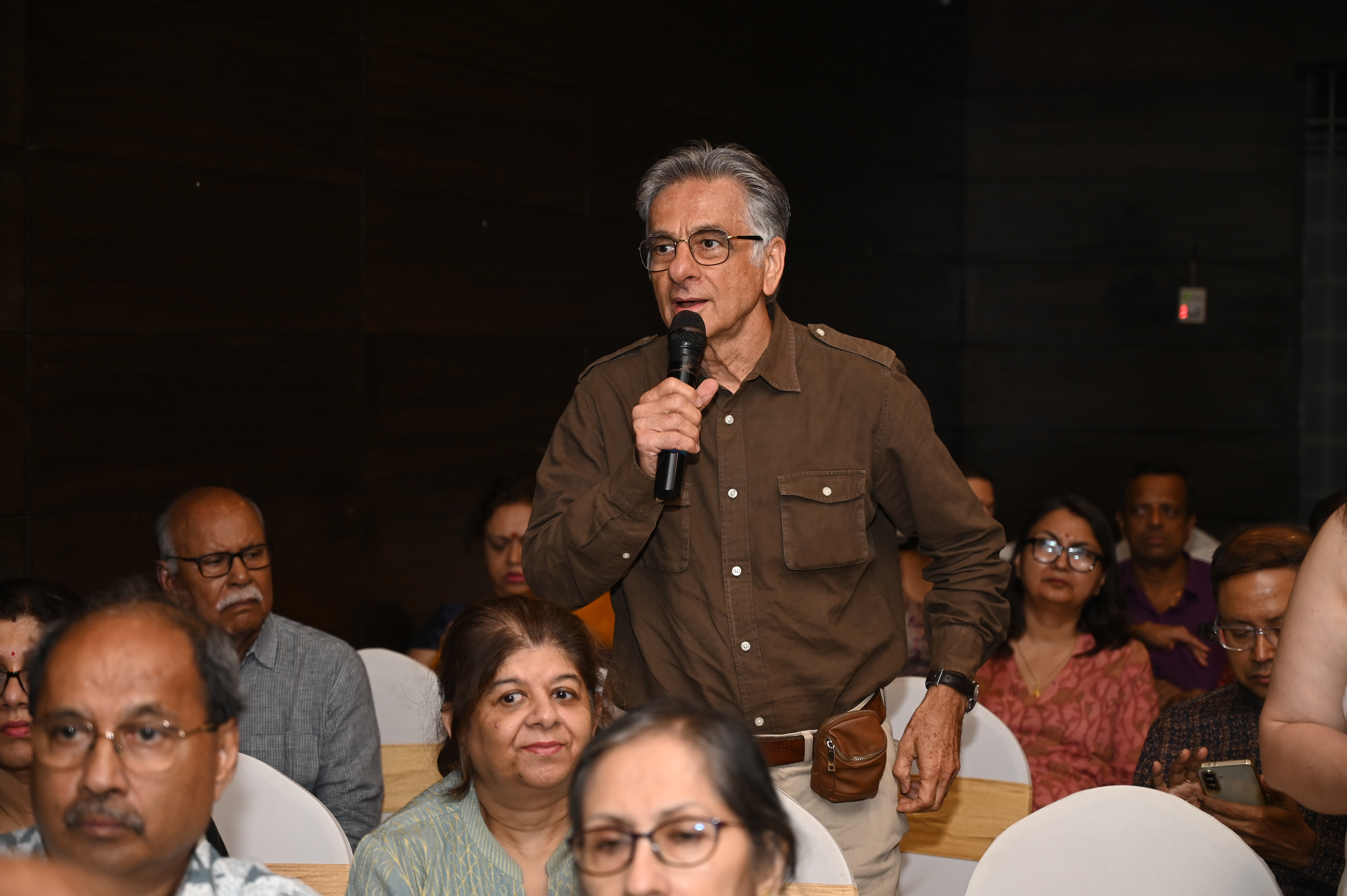
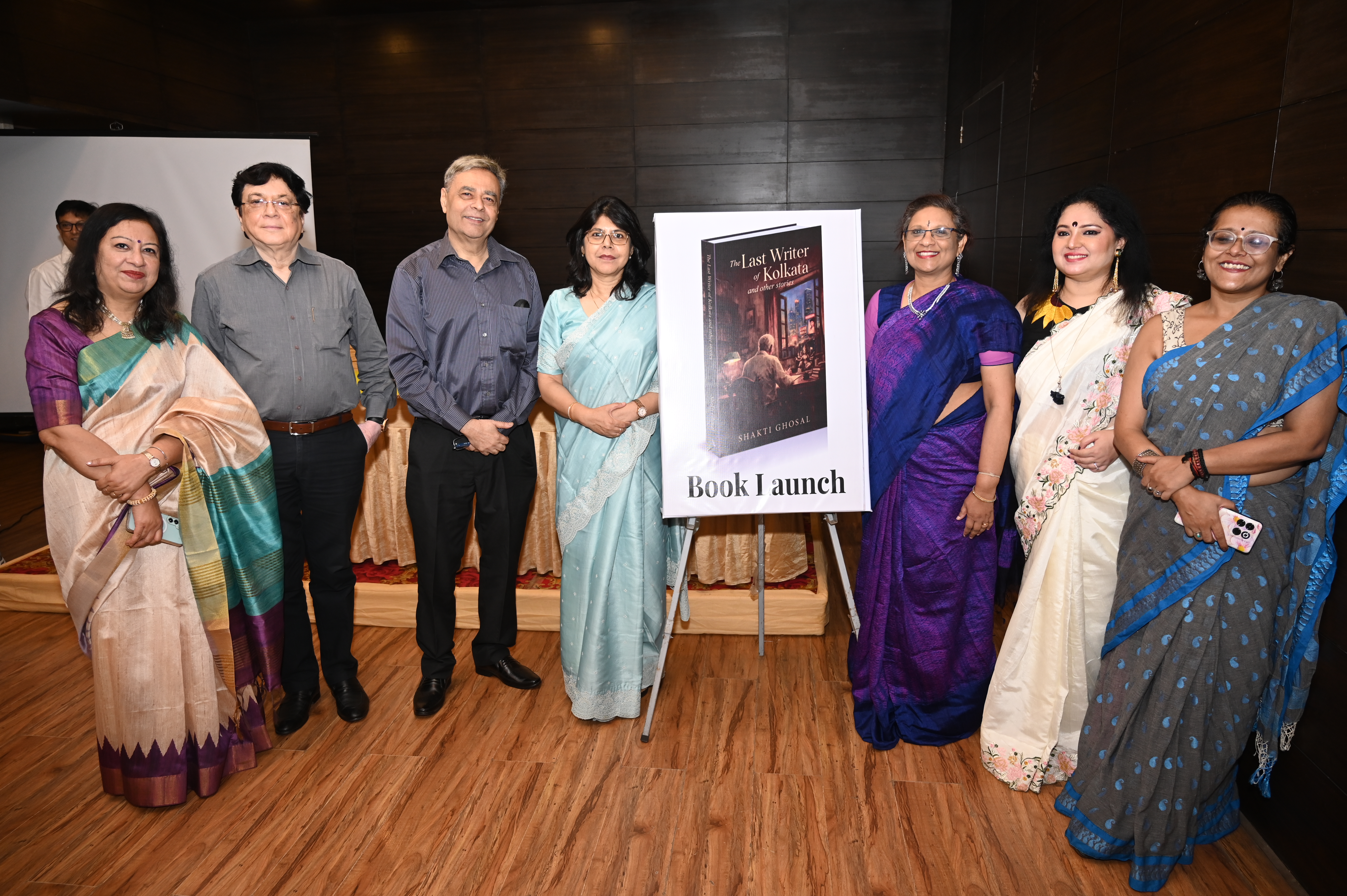
A few Saturdays back, at South City Club Kolkata, The Last Writer of Kolkata and Other Stories began its journey into the world — not merely as a book launch, but as a conversation about the times we are already living through.
What made the evening truly special was the richness of the panel discussion moderated so thoughtfully by Dr. Vishnupriya Sengupta, alongside the deeply perceptive insights shared by Sanjib Chaudhuri, Poorna Banerjee, and Chitralekha Datta. Shawan Sarkar anchored the evening with warmth and elegance.
The discussion moved across many landscapes:
A Kolkata where memory itself becomes a commodity.
A Sundarbans struggling against rising tides and ecological collapse.
A future where human thought can be manipulated through neural networks.
An aging society where loneliness, migration, and technology redefine the meaning of home.
Yet beneath all these imagined futures lay one central question: ‘As the world changes around us, what does it mean to remain human?’
What touched me most was the engagement of the audience — the reflections, questions, disagreements, and personal stories that followed. It reminded me that fiction, at its best, is not an escape from reality, but a mirror held up to the forces quietly reshaping our lives.
My heartfelt gratitude to everyone who attended, participated, encouraged, photographed, listened, questioned, and stayed back afterwards for conversations over tea.
Books may begin in solitude. But they truly come alive in dialogue.
If the above themes intrigue you, I invite you to explore more about the book and the stories at: www.shaktighosal.com